Category: Indoor Plants

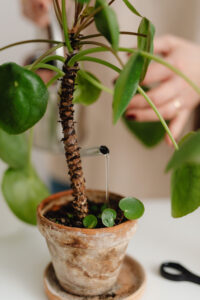
Why Does Houseplant Soil Stay Wet Too Long? Common Causes and How to Fix Them

You watered your houseplant several days ago, but the soil still feels damp. A week passes, and the potting mix hasn’t dried out. Meanwhile, the leaves may be turning yellow, the plant has stopped growing, or tiny fungus gnats have started appearing around the pot. It’s a frustrating problem, especially when you’re trying to avoid …
Continue reading

Why Are My Houseplant Leaves Turning Brown? Common Causes and How to Fix Them

Brown leaves are one of the most frustrating problems houseplant owners encounter. A plant that once had beautiful, healthy green foliage suddenly develops brown tips, crispy edges, or dark patches that seem to spread from one leaf to another. Sometimes the damage happens gradually. A few brown leaf tips appear, followed by dry edges and …

Continue reading

Why Do Houseplants Drop Leaves in Winter? Common Causes and How to Fix Them

Your houseplant looked beautiful throughout spring and summer, producing healthy green leaves and growing steadily. Then winter arrived, and suddenly those leaves started turning yellow, developing brown edges, or dropping onto the floor. It’s a frustrating experience, especially when you haven’t changed anything about the way you care for your plants. But winter changes the …

Continue reading

How Often Should You Water Houseplants in Winter? A Complete Guide

Watering houseplants during winter can be surprisingly tricky. A plant that needed water every few days during summer may suddenly remain moist for more than a week, while another plant sitting near a heating vent seems to dry out faster than ever. The challenge is that indoor growing conditions change considerably when colder weather arrives. …

Continue reading

Can You Repot Houseplants in Winter? When It’s Safe and When to Wait

Spring is usually considered the best time to repot houseplants, but what happens when a plant needs attention in the middle of winter? Maybe its roots are growing through the drainage holes, the potting mix won’t dry, or the plant has started showing signs of root rot. Waiting several months for warmer weather isn’t always …

Continue reading

How to Protect Houseplants From Cold Windows in Winter

A sunny window can seem like the perfect place for a houseplant during winter. After all, shorter days and weaker sunlight make natural light especially valuable, and moving plants closer to a window is often recommended during the colder months. Unfortunately, that bright window may also be one of the coldest places in your home. …

Continue reading

Do Houseplants Need Fertilizer in Winter? When to Feed and When to Stop

When winter arrives, many houseplant owners know they should adjust their watering routine. But what about fertilizer? Should you continue feeding your pothos, monstera, peace lily, and other indoor plants, or is it better to put the fertilizer away until spring? The answer depends on how actively your plants are growing. Although houseplants live indoors, …

Continue reading

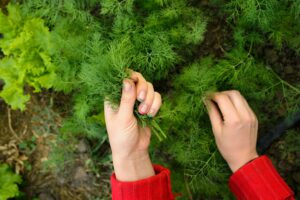
Dill Care: How to Grow, Harvest & Use Fresh Dill

Dill is a fast-growing annual herb prized for its feathery foliage, yellow flower umbels, aromatic seeds, and unmistakable fresh flavor. Botanically known as Anethum graveolens, dill is easy to grow from seed and can provide both fresh leaves and mature seeds from a relatively small garden space. Unlike many perennial herbs, dill completes its life …

Continue reading

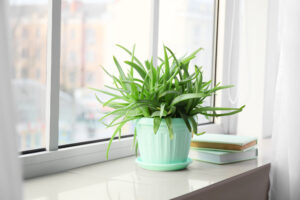
How to Successfully Propagate Spider Plants

Spider plants are among the easiest houseplants to propagate. Mature plants naturally produce long arching stems covered with small plantlets — often called spiderettes, babies, or pups — that can become entirely new plants with very little effort. Botanically known as Chlorophytum comosum, the spider plant is particularly forgiving because many of its plantlets begin …

Continue reading

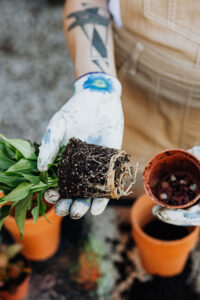
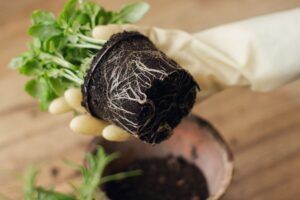
How to Repot a Plant: Step-by-Step Guide for Healthy Roots and New Growth

Repotting is one of the most important parts of long-term plant care. As a plant grows, its roots gradually fill the container, potting mix breaks down, drainage can decline, and the plant may begin drying out much faster than it once did. Moving it into fresh soil — and, when necessary, a slightly larger pot …

Continue reading