Category: Gardening Tips

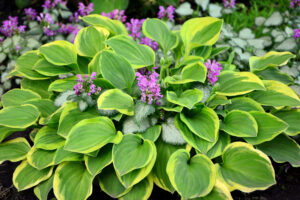
How to Divide Hostas: A Step-by-Step Guide

Hostas are among the most dependable plants for shady gardens. Their lush foliage, attractive colors, and graceful mounding growth make them wonderful additions to flower beds, woodland gardens, and borders. Over time, however, a small hosta can develop into an impressive clump that takes up considerably more space than it once did. If your hostas …
Continue reading

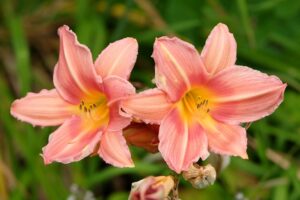
How to Divide Daylilies: A Step-by-Step Guide

Daylilies are some of the easiest and most dependable perennial flowers to grow. Their colorful blooms, attractive arching foliage, and ability to thrive in a wide range of garden conditions make them popular choices for borders, flower beds, and landscaping. Once established, daylilies often grow vigorously, gradually forming large clumps that produce dozens of flowers …

Continue reading

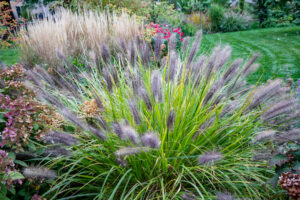
How to Divide Ornamental Grasses

Ornamental grasses bring movement, texture, and year-round interest to the garden. Their graceful foliage, feathery seed heads, and attractive shapes make them beautiful additions to flower beds, borders, and naturalistic landscapes. Many varieties are also wonderfully low-maintenance, returning year after year with very little attention. However, as ornamental grasses mature, some develop large, crowded clumps …

Continue reading

How to Divide Garden Phlox: A Step-by-Step Guide

Garden phlox is one of the most beautiful summer-blooming perennials, producing large clusters of colorful flowers that attract butterflies, hummingbirds, and other pollinators. With its upright stems and generous blooms, it makes a wonderful addition to perennial borders and cottage gardens. As garden phlox matures, however, its clumps can become crowded. Older plants may develop …

Continue reading

When Is the Best Time to Divide Perennials?

Perennials are among the most rewarding plants to grow in a garden. They return year after year, often becoming larger and more beautiful with each growing season. However, as perennial plants mature, some eventually become overcrowded, produce fewer flowers, or develop bare patches in the center. Dividing these plants can help restore their vigor while …

Continue reading

November Gardening: Winter Preparation and Late-Season Success

November is a transition month in the garden. In colder regions, frost has already ended much of the growing season, leaves are falling rapidly, and gardeners are preparing beds, tools, trees, and perennial plants for winter. In milder climates, November can still be an active planting month, with cool-season vegetables growing strongly and trees, shrubs, …

Continue reading

October Gardening: Your Complete Guide to Fall Success

October is one of the most rewarding months in the garden. Summer heat is fading, leaves are changing color, cool-season vegetables are enjoying milder temperatures, and many gardeners finally have comfortable weather for planting, transplanting, dividing, harvesting, and preparing for winter. It is also a month of transition. Depending on where you live, your first …

Continue reading

Black-Eyed Susan Care

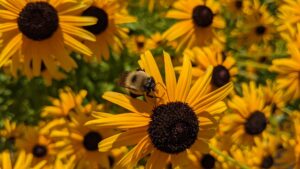
Black-eyed Susans are among the most recognizable flowers in a North American summer garden. Their golden-yellow petals and dark central cones bring warm color to perennial borders, cottage gardens, prairie-style plantings, cutting gardens, and pollinator beds from summer into fall. They are also refreshingly uncomplicated plants. Once established in a suitable location, black-eyed Susans generally …

Continue reading

10 Essential Gardening Plants for Beginners

Starting a garden can feel surprisingly complicated. Walk through a garden center in spring and you may encounter hundreds of flowers, vegetables, herbs, shrubs, seeds, and fruit plants, all accompanied by labels describing sunlight, soil, spacing, watering, fertilizer, pruning, and hardiness. For a new gardener, the easiest approach is usually not to grow everything. Start …

Continue reading

Garden Soil Guide: Soil Types, Testing, pH & How to Improve It

Healthy plants begin below the surface. Gardeners spend a great deal of time thinking about flowers, vegetables, sunlight, watering, fertilizer, and pests, but soil quietly affects nearly everything those plants experience. It stores water, supplies mineral nutrients, holds roots in place, provides air spaces, supports enormous communities of organisms, and determines how easily excess rainfall …

Continue reading