Category: Flower Gardening

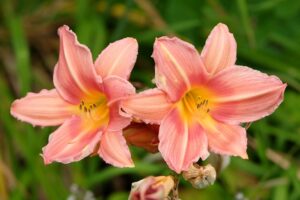
How to Divide Daylilies: A Step-by-Step Guide

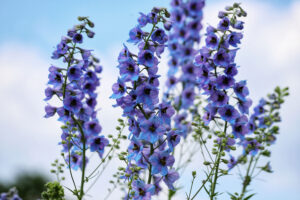
Daylilies are some of the easiest and most dependable perennial flowers to grow. Their colorful blooms, attractive arching foliage, and ability to thrive in a wide range of garden conditions make them popular choices for borders, flower beds, and landscaping. Once established, daylilies often grow vigorously, gradually forming large clumps that produce dozens of flowers …
Continue reading

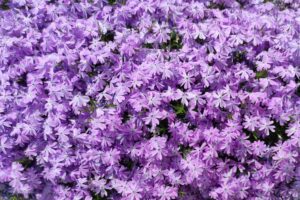
How to Divide Garden Phlox: A Step-by-Step Guide

Garden phlox is one of the most beautiful summer-blooming perennials, producing large clusters of colorful flowers that attract butterflies, hummingbirds, and other pollinators. With its upright stems and generous blooms, it makes a wonderful addition to perennial borders and cottage gardens. As garden phlox matures, however, its clumps can become crowded. Older plants may develop …

Continue reading

When Is the Best Time to Divide Perennials?

Perennials are among the most rewarding plants to grow in a garden. They return year after year, often becoming larger and more beautiful with each growing season. However, as perennial plants mature, some eventually become overcrowded, produce fewer flowers, or develop bare patches in the center. Dividing these plants can help restore their vigor while …

Continue reading

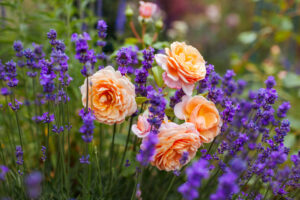
How to Grow a New Rose Garden

Few plants can transform a garden as completely as roses. A single rose beside a patio can become a favorite summer feature, while a carefully planned rose bed can provide months of color, fragrance, flowers for cutting, and structure within the landscape. Roses can climb fences, soften foundations, fill mixed borders, form informal hedges, or …

Continue reading

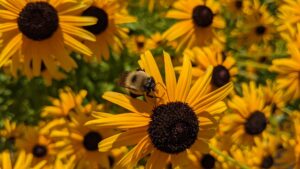
Black-Eyed Susan Care

Black-eyed Susans are among the most recognizable flowers in a North American summer garden. Their golden-yellow petals and dark central cones bring warm color to perennial borders, cottage gardens, prairie-style plantings, cutting gardens, and pollinator beds from summer into fall. They are also refreshingly uncomplicated plants. Once established in a suitable location, black-eyed Susans generally …

Continue reading

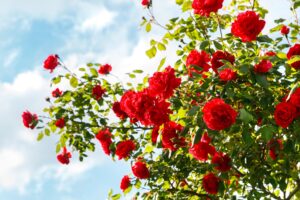
Red Rose Care: How to Grow Beautiful Red Roses

Red roses have an unmistakable presence in the garden. Whether the flowers are deep burgundy, velvety crimson, clear scarlet, dark cherry, or bright true red, they naturally draw the eye. A single red rose can become a focal point, while several plants grouped together can create one of the strongest color displays in a flower …

Continue reading

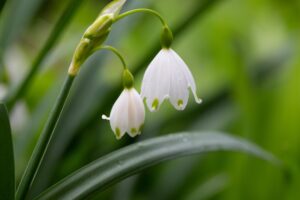
Snowflake Flower Care

Snowflake flowers are graceful spring bulbs with nodding white bells tipped or spotted with green. They have the delicate appearance of woodland wildflowers, yet established plants can be surprisingly durable, gradually forming larger clumps and returning year after year with relatively little attention. These bulbs belong to the genus Leucojum. Two species are especially important …

Continue reading

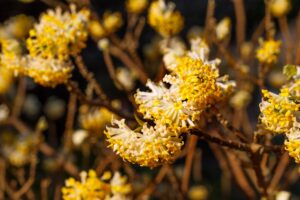
Paperbush Care

Paperbush is one of those shrubs that can make a winter garden feel unexpectedly alive. While many deciduous plants are bare and dormant, Edgeworthia chrysantha produces rounded clusters of silky buds that open into fragrant cream-and-yellow flowers on leafless stems. The flowers are only part of the appeal. Once blooming finishes, large blue-green leaves emerge …

Continue reading

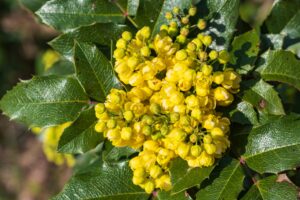
Mahonia Care

Mahonia is an evergreen shrub that earns its place in the garden during seasons when many other plants are quiet. Depending on the species, glossy or finely textured foliage remains attractive throughout winter, clusters of bright yellow flowers appear from fall through spring, and blue-purple berries can follow later in the season. The name Mahonia …

Continue reading

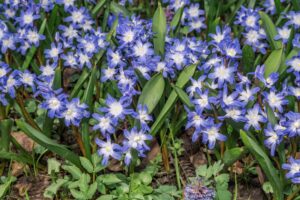
Glory of the Snow Care

Glory of the snow is one of the earliest bulbs to bring real color back to the garden. Its small star-shaped flowers can appear while patches of snow still linger, creating carpets of blue, lavender, pink, or white close to the ground. These hardy little bulbs are best known under the traditional genus name Chionodoxa, …

Continue reading