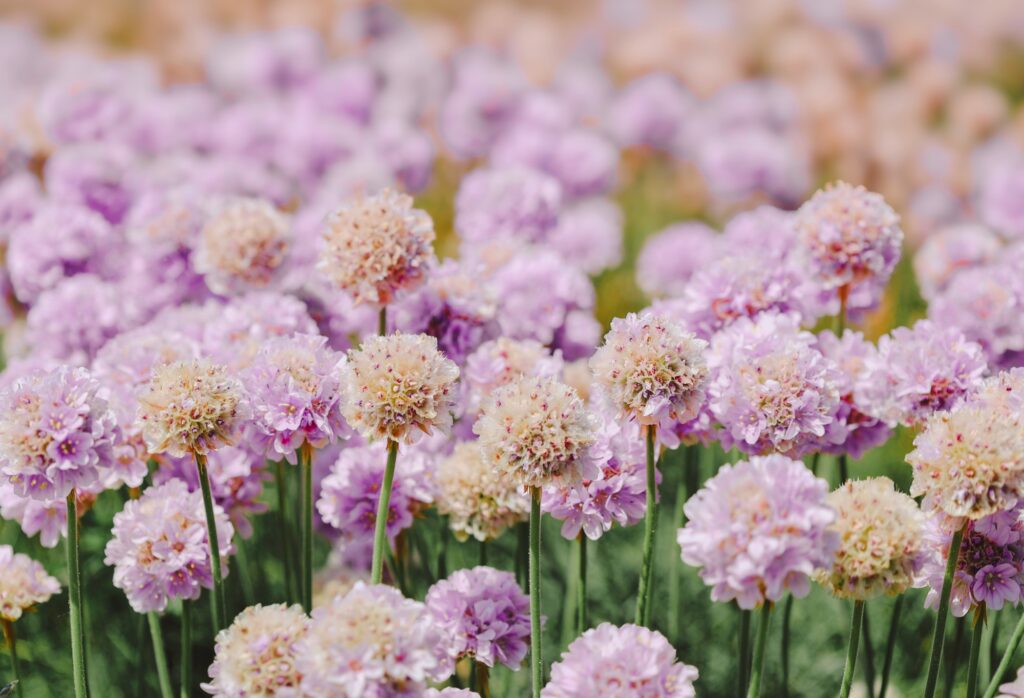
There is something deeply satisfying about watching a garden grow.
A few seeds become vegetables for the dinner table. A bare flower bed fills with color. A struggling houseplant puts out a new leaf. A small backyard gradually becomes a place where birds, bees, butterflies, and people all want to spend a little more time.
That is the idea behind Life Is Better in the Garden.
This site is dedicated to helping everyday gardeners grow healthier plants, create more beautiful outdoor spaces, and enjoy the process along the way. Whether you are planting your first tomato, planning a perennial flower bed, experimenting with raised beds, growing herbs on the patio, or simply trying to figure out why a plant is not thriving, our goal is to provide practical information that makes gardening feel more approachable.
🌱 Gardening for Real Life
Gardening does not need to be perfect to be worthwhile.
You do not need acres of land, expensive equipment, or a professionally designed landscape. A few containers on a balcony, a narrow flower border beside the house, a raised vegetable bed, or a sunny windowsill can all become places where something wonderful grows.
Life Is Better in the Garden focuses on useful gardening information that can be applied in real gardens. We cover topics such as choosing plants, preparing soil, watering, planting, pruning, seasonal care, troubleshooting common problems, and understanding what different plants need to thrive.
The goal is not to make gardening complicated. It is to help you understand your plants well enough to make better decisions for them.
🌸 Flower Gardening
Flowers can completely change the character of a landscape.
From spring bulbs and old-fashioned roses to summer perennials and late-season pollinator plants, flower gardening provides nearly endless opportunities to experiment with color, texture, fragrance, and design.
Our flower gardening guides explore annuals, perennials, flowering shrubs, bulbs, roses, pollinator-friendly plants, shade gardening, container flowers, and individual plant-care topics.
Whether you are creating a new flower bed or simply looking for one more plant to fill an empty corner, we want to help you find flowers that suit both your garden and your style.
🥕 Vegetable Gardening
Growing food is one of gardening’s simplest pleasures.
There is a special satisfaction in harvesting tomatoes while they are still warm from the sun, pulling carrots from the soil, digging a crop of potatoes, or walking outside to gather greens for dinner.
Our vegetable gardening guides cover tomatoes, potatoes, garlic, onions, carrots, beets, radishes, leafy greens, peas, corn, sweet potatoes, raised beds, seasonal planting, and other subjects that can help home gardeners become more successful.
We believe a productive vegetable garden can start small. Even a few containers or one raised bed can produce something worth bringing into the kitchen.
🌿 Learning How Plants Grow
Good gardening becomes much easier once you begin understanding why plants behave the way they do.
Sunlight, temperature, water, soil, drainage, nutrients, climate, and plant genetics all influence what happens in a garden. A plant that thrives in one location may struggle only a few feet away because the conditions are different.
That is why our guides aim to go beyond simply telling you what to do. Whenever possible, we want to explain what a plant needs and why a particular gardening practice may help.
Understanding those basics gives you knowledge you can apply to many different plants rather than memorizing a separate set of rules for every flower or vegetable you grow.
🐝 Gardening With Nature
A garden is never occupied by plants alone.
Bees visit flowers. Birds search for seeds and insects. Butterflies appear almost unexpectedly. Earthworms move through the soil, and countless organisms too small to see help break down organic material beneath the surface.
We encourage gardening practices that recognize these relationships.
That can mean planting flowers across several seasons for pollinators, improving soil with organic matter, identifying an insect before assuming it is harmful, reducing unnecessary pesticide use, conserving water where practical, or simply leaving a little room for nature in an otherwise carefully tended landscape.
Small choices can make a garden more welcoming to wildlife while still keeping it beautiful and productive.
🪴 Gardens Come in All Sizes
You do not need a traditional backyard garden to be a gardener.
Plants can grow in containers, raised beds, window boxes, patios, balconies, community garden plots, and small urban spaces.
Sometimes limitations actually make gardening more creative. A gardener with one sunny patio may learn more about container vegetables than someone with an enormous yard. A shady property can become an opportunity to discover beautiful foliage plants and woodland flowers.
Life Is Better in the Garden is for gardeners working with all kinds of spaces.
📚 Information You Can Use
Gardening advice can vary because gardens themselves vary.
Recommendations that work in one region may not be appropriate somewhere with a very different climate, soil type, rainfall pattern, or growing season. Whenever location plays an important role, we encourage gardeners to consider regional conditions and consult resources such as their local Cooperative Extension service.
We also work to improve and update the information on this site as gardening knowledge develops and as older articles are reviewed.
Gardening is a lifelong learning process, and a useful gardening website should be willing to keep learning too.
🌻 Progress, Not Perfection
Every gardener loses plants.
Seeds fail to germinate. Tomatoes split. Rabbits discover lettuce. A flower that looked spectacular at the garden center decides it does not like the spot you carefully prepared for it.
None of that means the garden was a failure.
Every season provides information you can use the next time around. You learn which part of the yard gets the best morning sun, where water collects after heavy rain, which vegetables your family actually eats, and which flowers make you stop and look every time you walk past them.
A garden is never truly finished. It changes with the seasons, the weather, the plants, and the person tending it.
That is part of what makes gardening so rewarding.
🌼 Welcome to Life Is Better in the Garden
Whether you are an experienced gardener or planting something for the very first time, we hope Life Is Better in the Garden gives you useful ideas, dependable information, and a little inspiration to get outside and grow something.
Start with one plant. Try one new vegetable. Add a few flowers for the bees. Improve one corner of the yard.
Then see where the garden takes you.
Because sometimes life really is better in the garden.