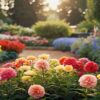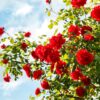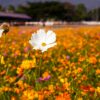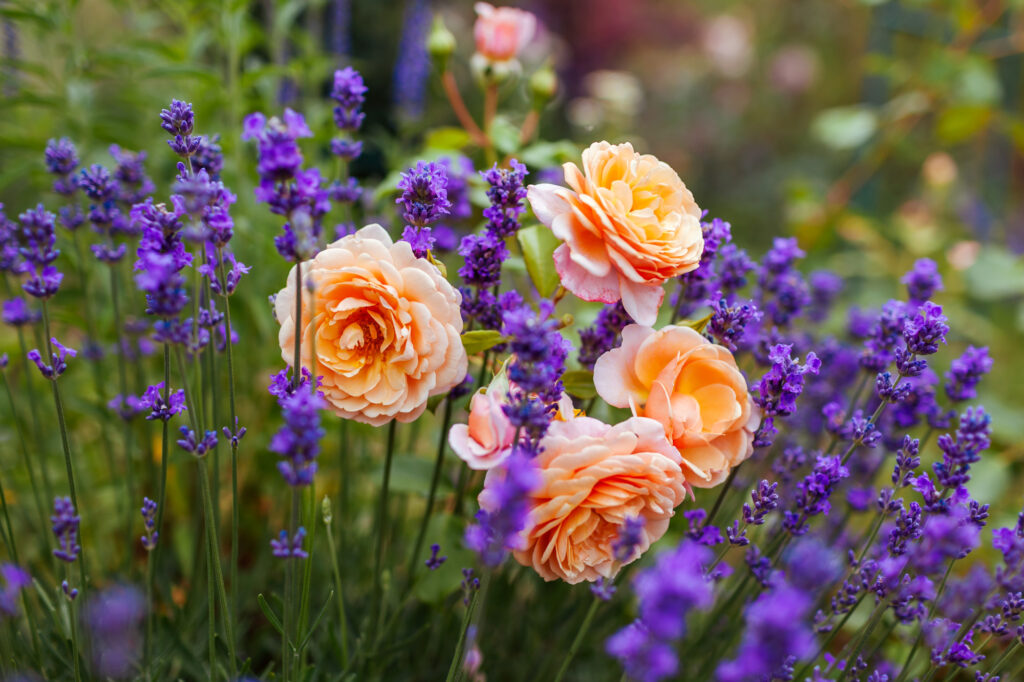
A flower garden can transform even an ordinary patch of ground into a place filled with color, fragrance, movement, and life. From the first crocuses and daffodils of spring to coneflowers, lilies, roses, and late-season blooms, flowers give gardeners an almost endless range of possibilities.
You do not need acres of land or years of experience to create a beautiful flower garden. A sunny border, a shady corner, a few containers on the patio, or a narrow bed beside the house can all become thriving spaces when the right plants are matched with the right conditions.
The guides on Life Is Better in the Garden can help you choose flowers, understand what they need, solve common growing problems, and create a garden that offers something beautiful throughout the seasons.
🌸 Start With the Right Flowers for Your Garden
One of the most enjoyable parts of flower gardening is choosing what to grow, but it is also where a little planning makes an enormous difference. Before buying plants simply because you love their flowers, take a closer look at the conditions in your garden.
How much direct sunlight does the area receive? Does the soil stay damp after a rain, or does it dry quickly? How cold are your winters? How much space will each plant have once it reaches its mature size?
Matching plants to these conditions usually results in healthier flowers and less work.
For inspiration, start with our Top 100 Garden Flowers for North American Gardens: A Year-Round Guide. It provides ideas for creating color through spring, summer, fall, and even the colder months.
For perennial flowers, your USDA Plant Hardiness Zone is another useful starting point. Hardiness zones are based primarily on average annual extreme minimum winter temperatures and can help you determine whether a perennial is likely to survive winter in your area.
🌞 Sun-Loving Flowers
Many of the classic flowers we associate with summer gardens perform best in full sun. In gardening terms, full sun generally means an area receives at least six hours of direct sunlight each day, although some plants appreciate even more.
Sunny flower beds are excellent places for colorful combinations of roses, coneflowers, black-eyed Susans, cosmos, lilies, and other summer bloomers.
If you would like tough perennials that also provide food for pollinators, start with Essential Tips for Successfully Growing Coneflowers in Your Garden. Coneflowers are especially useful in informal borders, cottage gardens, prairie-inspired plantings, and pollinator gardens.
Another cheerful choice is the Black-Eyed Susan. Their yellow flowers can brighten the garden through summer and pair naturally with purple, pink, blue, and white flowers.
For something lighter and airier, Cosmos Care covers these easygoing flowers with their delicate foliage and daisy-like blooms.
🌹 Growing Roses
Few plants have a gardening tradition as rich as the rose. Roses can serve as specimen plants, fill dedicated beds, climb fences and arbors, or become part of a mixed flower border.
Modern gardeners can choose from hybrid teas, floribundas, shrub roses, climbers, miniature roses, old garden roses, and many other forms. Some are grown primarily for spectacular flowers, while others are valued for fragrance, repeat blooming, disease resistance, or easy care.
If you are beginning from scratch, our How to Grow a New Rose Garden guide walks through choosing a location, preparing the soil, selecting roses, planting, watering, feeding, and seasonal maintenance.
Gardeners who particularly love classic crimson blooms can also explore How to Cultivate and Care for Red Roses.
Roses are sometimes portrayed as impossibly demanding plants, but choosing varieties suited to your climate and giving them plenty of sun, good airflow, appropriate watering, and regular observation can make rose gardening much more manageable.
🌷 Spring-Flowering Bulbs
One of the easiest ways to create an exciting spring garden is to plant bulbs and bulb-like plants that spend winter quietly underground before emerging when temperatures begin to rise.
Planting several kinds with different bloom periods can stretch the display over many weeks. Small early flowers can appear near the end of winter, followed by larger waves of daffodils, tulips, and other spring favorites.
Crocus Care is a good place to begin if you want some of the earliest color of the season.
Daffodils are another garden classic. Read our guide to Daffodils: This Quintessential Springtime Favorite for a closer look at these cheerful spring flowers.
For something a little less familiar, consider Glory of the Snow or the delicate Snowflake Flower.
One of the great advantages of spring bulbs is that you can tuck them into established flower beds, beneath deciduous shrubs, along walkways, or in naturalized sections of lawn and woodland gardens.
🌺 Summer-Flowering Favorites
Summer is when many flower gardens reach their peak. Warm temperatures and long days encourage rapid growth, and carefully chosen plants can provide flowers from early summer until frost.
Lilies are particularly dramatic. Their tall stems and prominent blooms can become natural focal points in perennial beds. Our Guide to Growing and Caring for Lily Flowers covers several types of lilies along with planting and care.
Coneflowers, black-eyed Susans, roses, and cosmos can also help form the backbone of a summer flower garden. Instead of planting one flower everywhere, consider combining plants of different heights, textures, bloom shapes, and flowering periods.
A successful flower bed often looks interesting even when every plant is not blooming at the same time.
🍂 Flowers for Late Summer and Fall
The flower garden does not have to fade when summer begins winding down. Late-blooming perennials can carry color well into fall while providing an important food source for pollinating insects.
One worth considering is Helenium, often called sneezeweed. Its warm yellow, orange, and red tones fit naturally into late-summer and autumn landscapes.
Late-flowering plants are particularly valuable when they are combined with earlier bloomers. Instead of creating one enormous burst of flowers followed by months of green foliage, aim for a sequence in which new plants come into bloom as earlier ones finish.
This approach is sometimes called succession of bloom, and it is one of the most useful ideas in flower-garden design.
🌿 Perennials for Flowers Year After Year
Perennials are plants capable of returning for multiple growing seasons when they are suited to the local climate and growing conditions. Some disappear completely underground during winter, while others maintain foliage or a woody framework.
Their ability to return year after year makes perennials particularly useful for establishing the basic structure of a flower garden.
Coneflowers, lilies, heucheras, heleniums, and many other garden favorites fall into this broad group.
Heuchera Care is especially useful for gardeners interested in colorful foliage as well as flowers. Commonly called coral bells, heucheras are available with foliage ranging through greens, burgundies, purples, silvers, and bright yellow-green shades.
When planning a perennial border, pay attention not only to flower color but also to eventual plant height and width. Allow enough space for plants to mature without becoming hopelessly crowded.
🌼 Annual Flowers for Fast Color
Annual flowers generally complete their life cycle within a single growing season. While that means they usually need to be planted again the following year, they compensate by providing quick growth and often an exceptionally long flowering period.
Cosmos, zinnias, marigolds, petunias, and sunflowers are familiar examples.
Annuals are useful for filling gaps between young perennials, brightening containers, edging paths, or experimenting with new color combinations without making a long-term commitment.
Many can also be grown inexpensively from seed.
Mixing annuals with perennials gives you the permanence of an established garden while still allowing you to change portions of its appearance from year to year.
🌳 Flowering Shrubs
Flowers do not have to come only from small herbaceous plants. Flowering shrubs can give a garden height, structure, screening, seasonal color, and sometimes year-round foliage.
They are particularly valuable toward the back of flower beds, along foundations, or as transition plants between formal garden areas and the surrounding landscape.
For an evergreen option with distinctive clusters of bell-shaped flowers, explore our guide to Pieris Care.
Flowering shrubs often require less frequent replanting than annual beds and can provide a permanent framework around which smaller flowers are arranged.
🌤️ Flower Gardening in Shade
A garden that receives limited direct sunlight does not have to remain bare. Shade gardening simply requires a different plant palette.
The first step is determining what kind of shade you have. A site that receives morning sun followed by afternoon shade is very different from deep shade beneath dense evergreen trees. Soil moisture also matters because some shady locations remain damp while others become extremely dry due to competition from tree roots.
Plants with attractive foliage can play an especially important role in shaded gardens. Heucheras are one possibility, and flowering shrubs such as pieris may also work in suitable climates and soil conditions.
Rather than trying to force sun-loving flowers into a dark location, embrace plants naturally adapted to lower light levels.
🐝 Creating a Pollinator-Friendly Flower Garden
Flowers bring more than beauty to a landscape. A thoughtfully planted garden can provide nectar, pollen, shelter, and habitat for bees, butterflies, hummingbirds, and other wildlife.
Coneflowers and black-eyed Susans are two particularly useful additions to many North American gardens. Native species that are naturally associated with your particular region can be even more valuable.
Try to provide flowers during several parts of the growing season rather than relying on a single short bloom period. Different pollinators are active at different times, so a garden with spring, summer, and fall flowers offers a more dependable food supply.
It is also worth remembering that not every faded flower needs to be removed immediately. Leaving some seed heads and stems can provide food or shelter for wildlife later in the year.
💧 Watering a Flower Garden
Young plants usually require more attention to watering than established plants because their root systems are still developing. Deep watering is generally preferable to frequent light sprinkling because it encourages roots to grow farther into the soil.
The exact amount of water a flower needs depends on the plant, soil, rainfall, temperature, wind, and whether it is growing in a container or directly in the ground.
Mulch can help conserve soil moisture while reducing weeds, but avoid piling mulch directly against plant crowns and stems.
Containers deserve special attention during hot weather because their limited volume of soil can dry significantly faster than garden beds.
🌱 Building Healthy Flower-Garden Soil
Healthy plants begin below the surface. Soil supports roots, stores water and nutrients, and provides the environment in which countless beneficial organisms live.
Before dramatically altering your garden soil, learn what you already have. Sandy soils drain quickly, while heavy clay soils may retain considerably more water. Organic matter such as finished compost can improve many garden soils by helping with structure and moisture management.
Drainage is particularly important for bulbs and other flowers that are prone to rotting when their roots or underground storage structures remain waterlogged.
A soil test can also help identify pH and nutrient conditions rather than relying on guesswork and unnecessary fertilizer.
✂️ Deadheading and Pruning Flowers
Deadheading simply means removing flowers after they have faded. For some plants, this keeps the garden looking neat and encourages additional blooms because the plant does not immediately direct all of its energy toward seed production.
Not every flower needs to be deadheaded, however. Some plants are attractive when allowed to develop seed heads, and those seeds can provide food for birds or allow plants to self-sow.
Pruning requirements vary even more widely. Roses, flowering shrubs, herbaceous perennials, and annual flowers may all need different treatment and timing.
Before cutting heavily, identify the plant and understand whether it blooms on new or old growth.
🪴 Growing Flowers in Containers
You can enjoy flower gardening even without a traditional yard. Containers make it possible to grow flowers on patios, balconies, decks, porches, and other small spaces.
Choose pots with drainage holes and use a growing medium intended for containers rather than filling them with dense garden soil. Because containers dry faster than in-ground beds, they usually need more frequent moisture checks during hot weather.
Containers are also an easy place to experiment. Combine a taller focal plant with medium-height flowers and trailing plants, or fill a pot completely with one type of flower for a bold mass of color.
You can change the combinations from season to season without redesigning your entire garden.
🎨 Designing a Flower Garden
Good flower-garden design is about much more than choosing your favorite colors. Height, form, texture, repetition, bloom time, foliage, and spacing all contribute to how a garden feels.
Place taller plants where they will not hide shorter flowers. Repeat certain plants or colors through the bed so the design feels connected rather than random. Mix flower shapes as well—upright spikes, rounded blooms, airy sprays, and daisy-like flowers create more visual interest together than a collection in which every plant has the same form.
Do not overlook foliage. Flowers may last for only a few weeks, but leaves remain visible for much longer. Plants with attractive foliage can hold the garden together between blooming periods.
Most importantly, leave room for your garden to evolve. Plants grow, conditions change, and discovering what works is part of the pleasure of gardening.
📅 Plan for Flowers Through the Seasons
A garden becomes much more rewarding when there is always something approaching its moment.
Early spring might begin with crocuses, glory of the snow, and daffodils. Late spring can transition into roses and other flowering perennials. Summer brings lilies, cosmos, coneflowers, and black-eyed Susans, while heleniums and other late bloomers can extend the display toward fall.
The goal does not need to be nonstop perfection. Instead, aim for changing combinations of flowers, foliage, seed heads, and seasonal interest.
A garden that changes through the year gives you a reason to walk outside and see what happened overnight.
🌻 Grow the Flower Garden You Love
There is no single correct way to create a flower garden. Some gardeners love neat rows and carefully controlled color schemes. Others prefer overflowing cottage borders where flowers mingle freely. You might want a wildlife garden buzzing with pollinators, a cutting garden filled with bouquet flowers, or simply a few cheerful blooms beside the front door.
Start with the conditions you have, choose plants suited to them, and build the garden gradually. Pay attention to which flowers thrive and which struggle. Every growing season teaches you something that makes the next one easier.
Most of all, make room for plants that make you happy. A garden does not need to be perfect to be beautiful.
🔗 Related Articles
- Top 100 Garden Flowers for North American Gardens: A Year-Round Guide
- Coneflower Care
- Cosmos Care
- Marigold Care
- Chrysanthemum Care
- Phlox Care
- Lavender Care
- Crocus Care