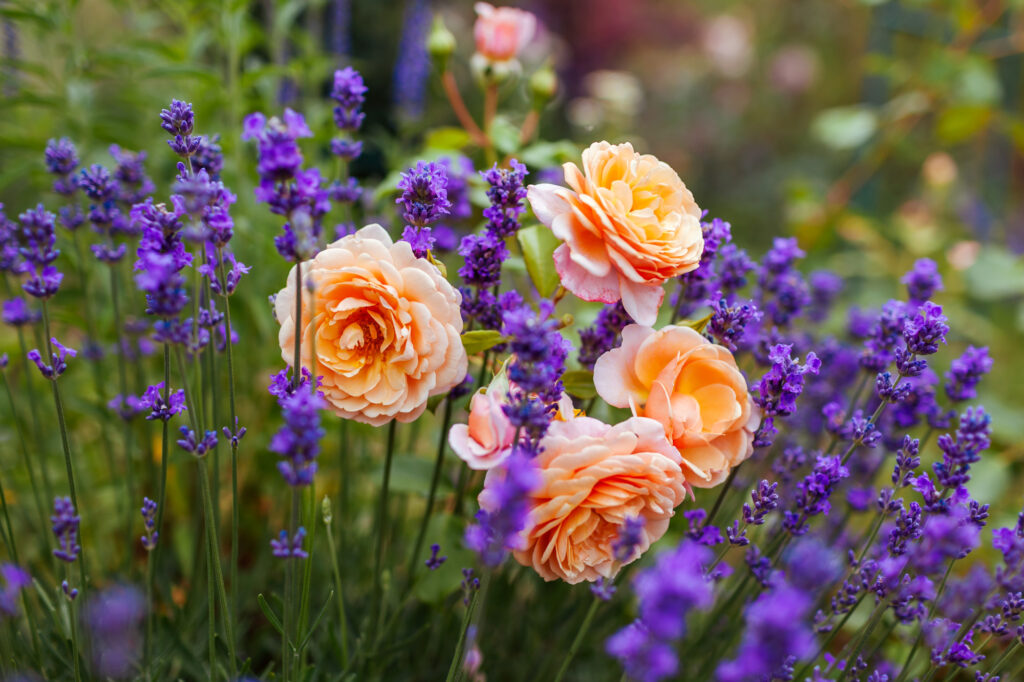
Few plants can transform a garden as completely as roses.
A single rose beside a patio can become a favorite summer feature, while a carefully planned rose bed can provide months of color, fragrance, flowers for cutting, and structure within the landscape. Roses can climb fences, soften foundations, fill mixed borders, form informal hedges, or become the centerpiece of an entire garden.
They also have a reputation for being difficult.
That reputation is not entirely deserved.
Some roses certainly require more attention than others, but modern gardeners can choose from an enormous range of varieties, including disease-resistant landscape roses that require far less intervention than many traditional hybrid teas. Much of rose-growing success is determined before the first rose ever goes into the ground: choosing a good location, selecting roses suited to your climate, preparing the soil, and giving each plant enough room to mature.
If you have always wanted a rose garden but were unsure where to begin, start small. Choose a sunny location, select several good roses, prepare the bed carefully, and learn how the plants respond to your particular garden.
You can always add more roses later.
🌹 Decide What Kind of Rose Garden You Want
Before buying roses, decide what you want the garden to accomplish.
A formal rose garden may contain roses arranged in symmetrical beds with paths between them. A cottage-style planting might combine roses with perennials, herbs, annuals, and flowering shrubs. A modern landscape might use several repeat-blooming shrub roses as a colorful mass planting.
You might also want roses primarily for:
- Fragrance
- Cutting flowers
- Pollinators
- Climbing a fence or arbor
- Creating a hedge
- Filling a sunny flower border
- Growing in containers
- Producing colorful rose hips
- Low-maintenance landscape color
There is no requirement for a rose garden to contain only roses.
In fact, mixing roses with complementary plants can create a longer season of interest and help the garden feel connected to the rest of the landscape.
Our Flower Gardening hub has additional ideas for combining roses with perennials, bulbs, annuals, shrubs, and pollinator-friendly flowers.
☀️ Choose a Sunny Location
Sunlight is one of the most important ingredients in a successful rose garden.
Most roses perform best with at least six hours of direct sunlight each day. Many will flower even more generously when they receive additional sun.
Morning sunlight is especially useful because it helps dry moisture from foliage after dew or rain.
Good light encourages stronger growth, more flowers, and a plant structure that dries more quickly after wet weather.
A rose planted in excessive shade may stretch toward the light, flower poorly, and remain damp longer after rainfall.
Before preparing a permanent rose bed, observe the proposed location during several parts of the day.
Remember that nearby trees may cast much more shade once they leaf out in summer.
🌳 Avoid Heavy Competition From Trees
Large trees and shrubs can create problems beyond shade.
Their established roots compete aggressively for water and nutrients.
A rose planted beneath a mature tree may look as though it has plenty of open soil around it while actually growing in a dense network of competing roots.
When possible, choose an area away from the root zones of large established trees.
This will make watering, soil preparation, and long-term rose care significantly easier.
If the only available location contains substantial tree roots, consider whether another style of flower garden would work better there.
Roses are much more enjoyable when the site naturally suits them.
💨 Give Roses Good Air Circulation
A rose garden should feel open enough for air to move between plants.
Crowded roses remain damp longer after rain and irrigation, creating conditions that can encourage some fungal diseases.
Good spacing also makes pruning, deadheading, inspection, and harvesting flowers easier.
Do not judge spacing by the size of the young rose at the nursery.
Read the expected mature width.
A small shrub in a two-gallon container may eventually become four or five feet wide.
Give it the room it will need then—not simply the space it occupies today.
🌎 Roses Need Good Drainage
Roses appreciate consistent moisture, but they generally perform poorly when their roots remain in saturated soil.
Before establishing a permanent rose bed, observe how the area behaves after substantial rainfall.
Does water disappear reasonably quickly?
Or does the area remain soggy for days?
Persistent standing water indicates a drainage problem that should be addressed before planting.
A raised planting area may help in certain landscapes, particularly where heavy soil or poor drainage makes ordinary beds difficult.
Our Raised Bed Gardening for Beginners guide provides additional information on creating elevated growing areas.
🧪 Test the Soil Before Planting
A new rose garden is a perfect reason to have the soil tested.
A laboratory soil test can provide information about pH and existing nutrient levels, helping you make informed decisions instead of adding fertilizer and amendments blindly.
Roses generally perform well in slightly acidic to approximately neutral soil.
But the exact condition of your garden matters more than a generic recipe.
Do not automatically add lime, sulfur, phosphorus, or large amounts of fertilizer simply because an old rose-growing guide recommends them.
First determine what the soil actually needs.
For more help understanding soil, visit Gardening Soil 101 and Gardening Basics.
🍂 Improve the Entire Rose Bed
If you are creating a new bed containing several roses, prepare the entire growing area rather than digging tiny pockets of highly amended soil for each plant.
A uniform growing area encourages roots to expand outward.
Finished compost or another appropriate organic amendment can improve many soils, particularly when organic matter is low.
Avoid creating planting holes filled with material dramatically different from the surrounding soil.
Ultimately, roots need to grow beyond the planting hole.
The goal is not to create a flowerpot underground. It is to establish a healthy garden bed.
🌹 Choose the Right Type of Rose
“Rose” describes an enormous group of plants.
Different roses can have dramatically different flower forms, mature sizes, growth habits, disease resistance, fragrance, and maintenance requirements.
Understanding the basic categories makes shopping much easier.
🌿 Shrub and Landscape Roses
For many beginning rose gardeners, shrub or landscape roses are the easiest place to start.
These roses are generally selected for use as garden shrubs rather than primarily as exhibition flowers.
Many modern cultivars combine repeat flowering with good disease resistance, cold hardiness, and manageable growth.
They can work in:
- Foundation plantings
- Mixed borders
- Mass plantings
- Informal hedges
- Cottage gardens
- Pollinator gardens
If your priority is having attractive roses without making rose maintenance a major hobby, disease-resistant shrub roses deserve serious consideration.
🌹 Hybrid Tea Roses
Hybrid teas produce the classic high-centered flowers many people picture when they imagine a florist rose.
Flowers are often borne individually on long stems, making them excellent for cutting.
The tradeoff is that some hybrid teas require more attention to pruning, feeding, disease management, and winter protection than hardy landscape roses.
That does not mean beginners should avoid them.
If spectacular individual flowers are what you really want, grow hybrid teas.
Just choose cultivars known to perform well in your climate and be prepared to provide the care they need.
🌸 Floribunda Roses
Floribundas generally produce flowers in clusters rather than primarily as individual blooms.
They can create impressive masses of color and often work beautifully in landscape beds.
Many bloom repeatedly throughout the growing season.
Floribundas can be an excellent compromise for gardeners who want traditional-looking rose flowers but also want a plant that creates a substantial garden display.
🌺 Grandiflora Roses
Grandifloras combine characteristics associated with hybrid teas and floribundas.
They tend to be larger plants and often produce impressive flowers on substantial stems.
Their size makes them useful toward the back of rose beds or where a taller plant is needed.
Check mature dimensions carefully before adding one to a small garden.
🧗 Climbing Roses
Climbing roses can transform fences, arches, walls, pergolas, and other structures.
They do not attach themselves to surfaces in the way ivy or climbing hydrangea does.
Instead, their long canes need to be tied or trained onto a support.
Install the support before the rose becomes large.
Trying to add a strong trellis behind an established climbing rose filled with thorny canes is much more difficult than planning the structure at planting time.
Climbers can become substantial plants, so give them enough space.
🌿 Rambling Roses
Ramblers also produce long growth but can be even more vigorous than many climbing roses.
Some flower only once each year, creating an enormous seasonal display.
They can be beautiful on large structures or in informal gardens, but their mature size deserves respect.
Do not plant a vigorous rambler beside a tiny decorative trellis and expect the two to remain compatible.
🌼 Miniature and Patio Roses
Small roses can work beautifully in containers and compact gardens.
Miniature flowers do not necessarily mean a plant requires miniature care, however.
Container roses still need adequate sun, water, drainage, nutrients, and winter protection appropriate to the climate.
If you garden on a patio, deck, or balcony, compact roses can make growing roses possible without creating a traditional in-ground bed.
🌿 Old Garden and Species Roses
Old garden roses and species roses offer qualities that extend beyond repeated flowering.
Depending on the rose, you may find exceptional fragrance, historical interest, unusual flowers, excellent cold hardiness, attractive foliage, and colorful rose hips.
Some flower only once during the season.
For gardeners who value fragrance, wildlife value, historic plants, or informal garden character, these roses can be wonderful additions.
They are especially effective when a rose garden is designed as part of a larger landscape rather than solely as a flower-production bed.
🌹 Choose Disease-Resistant Roses
One of the best ways to make a new rose garden easier is to begin with cultivars known for good disease resistance in your region.
Roses differ enormously in their susceptibility to problems such as black spot and powdery mildew.
Choosing carefully can reduce future dependence on fungicides and make the garden easier to maintain.
Disease resistance can also vary somewhat with climate.
A rose that performs beautifully in a dry western climate may behave differently in a humid southeastern garden.
Look for recommendations from local rose societies, botanical gardens, university Extension resources, and experienced gardeners in your region.
Local performance matters.
❄️ Check Rose Hardiness
Before falling in love with a rose catalog photograph, check whether the plant is reliably winter hardy where you live.
Some roses tolerate extremely cold winters with little damage. Others require substantial protection or may die back severely.
Your USDA Plant Hardiness Zone is a useful starting point.
Then look at the cultivar itself.
A rose that is marginally hardy may still be worth growing if you enjoy the challenge, but beginners usually have an easier experience with plants comfortably adapted to local winters.
🌱 Own-Root vs. Grafted Roses
Rose shoppers may encounter both own-root and grafted plants.
An own-root rose grows entirely from its own root system.
A grafted rose consists of the desired rose variety joined onto the root system of another rose, with the joining point commonly called the graft or bud union.
Both systems can produce excellent plants.
One advantage of own-root roses is that shoots emerging from the roots are still the desired variety.
With grafted roses, shoots emerging from below the graft may belong to the rootstock rather than the rose you purchased.
Planting depth recommendations for grafted roses can also vary by climate, particularly in regions with severe winters.
🛒 Buy Healthy Rose Plants
Whether you buy roses locally or order them online, begin with healthy material.
Container roses should have vigorous-looking growth appropriate to the season and should not show obvious signs of severe pest or disease problems.
Avoid plants with major stem damage, suspicious growths near the crown, or severe dieback unless you specifically want a rehabilitation project.
Bare-root roses should arrive dormant or appropriately stored, with roots protected from drying.
Do not be overly concerned if a dormant bare-root rose looks unimpressive.
A bundle of roots and leafless canes can develop into a substantial flowering shrub once planted and established.
🌱 Bare-Root or Container Rose?
Both can work very well.
Bare-root roses are usually sold while dormant and are commonly planted during the appropriate early-season planting period. They can offer excellent variety selection, especially through specialty nurseries.
Container roses are already actively growing and provide immediate visual information about the plant. They can generally be planted over a broader period as long as weather conditions are suitable and the gardener provides appropriate care.
Bare-root plants are not automatically inferior because they look less impressive at planting time.
Container plants are not automatically better because they already have leaves.
Choose the format that provides the rose you want at the appropriate planting time.
📅 When Should You Plant Roses?
The ideal planting time depends on climate and whether the rose is bare-root or container-grown.
Dormant bare-root roses are typically planted during the cooler part of the year when soil can be worked and severe conditions have passed or not yet arrived.
Container-grown roses offer more flexibility.
Spring is an excellent planting period in many climates because roses have an entire growing season to become established.
Fall can also work well in suitable regions, particularly where winters are not severe and roses have enough time to establish roots before cold conditions arrive.
Avoid planting during extreme summer heat whenever possible.
If you do plant during warm weather, careful watering becomes especially important.
📏 Space Roses for Their Mature Size
The label on a rose provides more useful spacing information than a universal rule.
A compact shrub rose may remain relatively small.
A vigorous old rose or climber can become enormous.
Rather than placing roses in a straight line at identical distances regardless of type, design the bed around mature dimensions.
Good spacing improves:
- Air circulation
- Access for pruning
- Visibility of flowers
- Water distribution
- Disease management
- Overall garden design
It is better for the new bed to look slightly open during its first season than become an overcrowded wall of thorny growth three years later.
🕳️ How to Plant a Container Rose
Water the rose before planting if the root ball is dry.
Dig a planting hole wide enough to accommodate the root system comfortably.
Remove the container carefully.
If roots are tightly circling the outside of the root ball, gently loosen or redirect them so they are encouraged to grow outward into the surrounding soil.
Place the rose at the appropriate depth for the type of plant and your climate.
For grafted roses, recommendations for the position of the bud union differ between warm and cold regions, so use regional guidance.
Backfill using the soil from the planting area rather than replacing it entirely with an extremely rich mixture.
Water thoroughly after planting to settle soil around the roots.
🌱 How to Plant a Bare-Root Rose
Bare-root roses need slightly different handling.
Do not allow the roots to dry out.
Before planting, hydrate the plant according to nursery or regional recommendations and remove badly damaged root material.
Dig a hole wide enough for the roots to spread naturally instead of folding or twisting them into a small space.
Create enough room that roots can extend outward and downward.
Position the plant at the correct depth, then gradually return soil around the roots.
Water thoroughly as the hole is filled so soil settles naturally around the root system.
Do not stomp heavily on the planting soil.
Compaction reduces the air space roots need.
💧 Water Immediately After Planting
Newly planted roses need consistent moisture while their roots establish.
Water thoroughly after planting.
Then monitor the soil rather than automatically watering every day.
The root zone should not repeatedly swing between severe drought and saturation.
During the first growing season, check newly planted roses more frequently than established plants.
As the root system expands into the surrounding soil, the plant becomes better able to tolerate normal changes in moisture.
🍂 Mulch the Rose Bed
A layer of organic mulch around roses can make maintenance considerably easier.
Mulch helps:
- Slow soil-moisture loss
- Suppress many weeds
- Moderate soil temperature
- Protect the soil surface
- Reduce mud splashing
- Add organic material as it breaks down
Wood chips, shredded bark, shredded leaves, and other suitable organic materials can work.
Keep mulch slightly away from the base of the canes rather than piling it directly around the crown.
The goal is to cover the soil—not bury the rose.
💦 How Often Should Roses Be Watered?
There is no reliable answer such as “every three days.”
Water needs depend on:
- Soil texture
- Rainfall
- Temperature
- Wind
- Plant size
- Root establishment
- Mulch
- Season
Check the soil.
When irrigation is necessary, watering thoroughly is generally preferable to repeatedly wetting only the immediate surface.
Deep, consistent watering encourages the root system to use a larger volume of soil.
Sandy soil may dry much faster than heavy soil.
New roses need closer attention than established ones.
Let actual garden conditions determine frequency.
🚿 Water the Soil Rather Than the Leaves
Whenever practical, direct irrigation toward the root zone.
Drip irrigation, soaker hoses, or careful hand watering can deliver moisture without unnecessarily wetting the entire canopy.
Rain will obviously wet roses, and wet leaves do not automatically create disease.
The goal is simply to avoid prolonging leaf wetness unnecessarily, particularly where fungal problems such as black spot are common.
If overhead watering is your only option, morning is generally preferable to late evening because foliage has more opportunity to dry.
🌧️ Roses Still Need Water During Dry Fall Weather
Watering should not stop automatically when summer ends.
Newly planted roses and other young shrubs still need moisture as they establish.
If fall is unusually dry, continue monitoring the soil until plants become dormant and the ground freezes where that occurs.
Entering winter severely drought-stressed can make cold-season stress more difficult for the plant.
At the same time, avoid creating constantly saturated soil.
Good rose care is about consistency rather than extremes.
🌿 Feed Roses Based on Need
Roses are often described as heavy feeders, but that does not mean fertilizer should be applied constantly or without understanding the soil.
Begin with a soil test.
Once roses are established and actively growing, fertilizer can be applied according to soil-test recommendations, plant performance, the type of product being used, and regional guidance.
Repeat-blooming roses may require more nutrition than species roses growing primarily as landscape shrubs.
Follow product labels carefully.
Excess fertilizer does not create an infinitely larger rose.
Too much can damage roots, contribute to weak excessive growth, or create unnecessary nutrient runoff.
⚠️ Avoid Late-Season Overfeeding in Cold Climates
In regions with cold winters, heavy late-season feeding can encourage tender new growth as the plant should be preparing for dormancy.
That soft growth may be damaged by cold weather.
Timing recommendations vary by climate, so follow regional rose-care guidance rather than using the same calendar everywhere.
In warm climates with long growing seasons, fertilization schedules may be very different from those used in northern gardens.
This is another reason local Extension advice is valuable.
✂️ Do New Roses Need Pruning?
New roses generally need less pruning than established plants.
At planting time, remove damaged, dead, or badly broken material.
Bare-root roses may arrive already pruned by the nursery.
During the first season, the goal is usually establishing a healthy root system and strong framework rather than repeatedly reshaping the plant.
As roses mature, pruning becomes useful for removing dead wood, managing structure, improving airflow, and controlling size where appropriate.
Different rose classes require different pruning methods.
🌹 When Should Roses Be Pruned?
Major pruning is commonly performed as roses begin emerging from dormancy rather than in the middle of winter or automatically in fall.
Exact timing depends on climate.
Many gardeners use the blooming of forsythia as a rough seasonal signal that spring rose-pruning time is approaching.
Begin by removing:
- Dead canes
- Damaged canes
- Diseased growth
- Weak growth
- Crossing stems when they create problems
Then shape according to the rose type.
Do not prune a climbing rose exactly like a hybrid tea or a species rose.
Know what you are growing.
✂️ Use Clean, Sharp Pruners
Rose pruning is much easier with good tools.
Sharp bypass pruners create clean cuts and require less force than dull blades.
Thicker canes may require loppers or a pruning saw.
Do not force hand pruners through stems beyond their intended capacity.
Clean tools when moving between plants with serious disease problems.
Our Garden Tools & Products hub includes more advice on choosing and maintaining pruners and other garden equipment.
🌸 Should You Deadhead Roses?
Deadheading means removing flowers after they fade.
Many repeat-blooming roses can be encouraged to produce additional flowers when spent blooms are removed.
However, deadheading is not mandatory for every rose.
Species roses, rugosa roses, and other plants valued for colorful hips should be allowed to develop fruit if you want the autumn and winter display.
Some modern landscape roses also continue flowering well without meticulous deadheading.
Decide what you want from the plant.
If repeated flowers are the priority, deadheading may be useful.
If rose hips, wildlife value, or lower maintenance matter more, allow some flowers to remain.
🌺 Growing Roses for Cutting
If one of your goals is bouquets, choose roses that produce attractive flowers on stems long enough for cutting.
Hybrid teas are famous for this, although many floribundas, shrub roses, and old roses make wonderful cut flowers as well.
Harvest flowers with clean, sharp tools.
Avoid stripping huge amounts of foliage from a young or weak plant because leaves are responsible for producing energy through photosynthesis.
Cutting flowers is a form of pruning.
A vigorous mature rose can usually tolerate generous harvesting, while a newly planted rose should be allowed to establish itself.
🐝 Roses and Pollinators
Not all roses are equally valuable to pollinating insects.
Roses with simpler, more open flowers generally make pollen and floral resources easier for insects to access than extremely dense double flowers.
Species roses and many old-fashioned or single-flowered cultivars can be particularly useful additions to a pollinator-friendly landscape.
That does not mean every rose in the garden needs to be selected exclusively for wildlife.
A mixed rose garden can contain dramatic double flowers alongside simpler varieties and other pollinator plants.
For more wildlife-friendly gardening ideas, visit Eco-Friendly Gardening.
🐛 Check Roses Regularly for Pests
Roses can attract several insects, but not every bug on a rose requires treatment.
Potential problems include:
- Aphids
- Japanese beetles
- Spider mites
- Thrips
- Rose sawflies
- Other region-specific pests
Begin with identification.
Aphids may cluster around tender new shoots, while rose sawfly larvae can create a skeletonized or window-like appearance on leaves.
Some leaf damage is cosmetic and causes little lasting harm.
Beneficial insects can also help suppress pest populations.
Before applying an insecticide, determine whether the level of damage actually justifies treatment and whether a less disruptive control is available.
🐞 Aphids on Roses
Aphids are common on tender rose growth.
Small populations may cause little lasting damage, and natural predators frequently discover them.
A strong stream of water can sometimes remove aphids from shoots.
Insecticidal soap and other targeted options may be appropriate when intervention is genuinely needed.
Avoid broad-spectrum treatments merely because a few aphids are present.
A rose garden is part of a larger ecosystem, and the insects eating aphids need food too.
🪲 Japanese Beetles
Japanese beetles can cause dramatic damage to roses in regions where they occur.
Adults may chew flowers and foliage, sometimes appearing in large numbers.
Hand-picking can be practical when populations are modest.
Be cautious with beetle traps placed beside the rose garden. Traps attract beetles and can sometimes draw additional insects toward the area.
Management strategies vary by region and infestation level.
Use current local recommendations rather than assuming every product labeled for beetles is appropriate for your garden.
🍃 Watch for Black Spot
Black spot is one of the best-known rose diseases.
Typical symptoms include dark spots on leaves followed by yellowing and premature leaf drop.
Susceptibility varies dramatically among rose cultivars.
This is why disease-resistant selection is so valuable.
Good spacing, adequate sunlight, appropriate watering, sanitation, and removing seriously infected fallen material can help reduce disease pressure.
If black spot repeatedly devastates a particular rose despite good growing conditions, replacing it with a more resistant cultivar may ultimately be easier than maintaining a permanent treatment program.
🌫️ Powdery Mildew
Powdery mildew can produce a white or gray powdery appearance on leaves and young growth.
It tends to become more problematic when conditions favor the disease and airflow is limited.
Avoid overcrowding roses.
Choose appropriate planting locations and resistant cultivars where available.
A plant experiencing repeated severe disease may also be telling you that either the cultivar or its location is poorly suited to your garden.
Good gardening begins with plant selection and culture before treatments are considered.
🌹 Learn the Signs of Rose Rosette Disease
Rose rosette disease is a serious problem in parts of North America.
Symptoms can include unusual clusters of distorted shoots, excessive thorniness, abnormal red growth, and a general decline of the plant.
Normal rose growth can also emerge reddish, so color alone does not diagnose rose rosette disease.
If you suspect the disease, compare several symptoms and seek reliable regional identification guidance.
Affected plants cannot simply be restored through pruning or fertilizer.
Correct diagnosis is important before removing a rose.
🍂 Keep the Rose Garden Clean Without Making It Sterile
Garden sanitation can help with certain rose diseases, but a healthy rose bed does not need to look as though it has been vacuumed.
Remove seriously diseased fallen material and badly affected canes when appropriate.
Pull aggressive weeds.
Keep dense debris from smothering crowns.
At the same time, mulch and healthy organic matter are valuable parts of garden soil.
The goal is not sterile ground.
It is a balanced garden where diseased plant material is managed without removing every sign of natural biological activity.
🌱 What Should You Plant With Roses?
Companion plants can make a rose garden much more interesting.
Choose plants that enjoy similar growing conditions and will not overwhelm the roses.
Possible companions include:
- Catmint
- Lavender where conditions suit both plants
- Salvias
- Geraniums
- Alliums
- Nepeta
- Low ornamental grasses
- Spring bulbs
- Hardy geraniums
- Annual flowers
- Other sun-loving perennials
Consider mature height.
Low or medium companions usually work better around shrub roses than enormous perennials that block airflow or bury the lower portions of the rose.
Use repetition to tie the design together.
Three or five groups of the same companion plant often create a more cohesive appearance than one specimen of twenty unrelated plants.
💜 Purple Flowers Pair Beautifully With Roses
Purple, blue, and violet flowers make classic rose companions because those colors contrast beautifully with pink, red, peach, apricot, yellow, and white roses.
Catmint and lavender are common examples where climate and soil conditions are appropriate.
Silver or gray foliage can also provide contrast.
But there are no strict color rules.
A rose garden should reflect what you enjoy seeing.
If brilliant orange roses beside yellow flowers make you happy, there is no gardening law requiring a muted palette.
🌷 Add Spring Bulbs Between Roses
Roses can look relatively bare early in the year before their foliage develops fully.
Spring-flowering bulbs can help fill that seasonal gap.
Daffodils, crocuses, alliums, and other bulbs can provide early color and then fade as roses become more prominent.
Place bulbs where their declining foliage can be partially hidden by emerging perennials and rose growth.
Our Flower Gardening hub provides more ideas for creating a succession of flowers through the seasons.
🧱 Add Paths Before the Roses Become Large
If you are creating a sizable rose garden, paths are not merely decorative.
You need access for:
- Pruning
- Deadheading
- Watering
- Inspecting pests
- Cutting flowers
- Adding mulch
- Winter care
Plan paths while the garden is empty.
Once mature thorny roses fill the bed, squeezing between them becomes considerably less enjoyable.
Wood chips, gravel, pavers, brick, and other materials can all work depending on the style and accessibility requirements of the garden.
Make paths wide enough to use comfortably.
🪑 Add a Place to Enjoy the Garden
A rose garden should not exist only to create more gardening chores.
Consider adding a bench, chair, small patio, or pathway where you can actually experience the garden.
Fragrant roses are especially enjoyable near seating areas and paths.
Place strongly fragrant cultivars where people naturally pass close to them.
Climbing roses can frame an entry or arbor.
Shrub roses can surround a bench without crowding it.
Design for the person who will enjoy the garden as well as the plants growing in it.
🌹 Create Repetition Instead of Buying One of Everything
Rose catalogs make it tempting to buy one plant of every color and flower form.
That can be fun for collectors, but repeating several cultivars often produces a stronger landscape design.
Three matching roses grouped together create more visual impact than three unrelated individual plants scattered across a large bed.
You can still grow several varieties.
Simply repeat colors, forms, or companion plants to create connections across the garden.
A cohesive rose garden can feel abundant without feeling chaotic.
🎨 Choose a Rose-Garden Color Scheme
Color planning is optional, but it can help create a particular mood.
A romantic garden might combine:
- Soft pink
- White
- Lavender
- Cream
A warm garden could emphasize:
- Apricot
- Peach
- Yellow
- Coral
- Orange
A dramatic bed might combine deep red roses with white or silver companion plants.
Alternatively, plant every color you love.
Gardens do not need to follow interior-design rules.
The most important consideration is whether the finished garden makes you want to spend time in it.
🌹 Growing Red Roses
Red roses remain among the most popular choices for traditional rose gardens.
Their dramatic flowers stand out especially well against green foliage and pale-colored companion plants.
Because “red rose” includes hundreds of different cultivars, choose based on much more than flower color.
Look at:
- Disease resistance
- Mature size
- Hardiness
- Fragrance
- Bloom frequency
- Growth habit
- Intended landscape use
For a deeper look at this classic color group, visit How to Cultivate and Care for Red Roses.
🪴 Can Roses Grow in Containers?
Yes.
Compact roses and even some larger varieties can grow successfully in containers when given enough root space.
Use a substantial container with drainage holes and a high-quality container-growing medium.
Pots dry faster than garden soil, so watering requires more attention.
Container roses may also experience more severe winter temperatures around their roots than roses growing in the ground.
In cold climates, winter protection can become one of the biggest challenges of long-term container rose growing.
Choose a rose and container size that work together instead of putting a vigorous shrub rose into a decorative pot far too small for its mature root system.
🧗 How to Train a Climbing Rose
Climbing roses need support and training.
Install a sturdy trellis, wires, arbor, fence, or similar structure capable of handling the mature plant.
Rather than simply allowing every cane to grow vertically, gardeners can often encourage more flowering shoots by training major canes more horizontally or diagonally where the rose type allows.
Tie canes using soft material that will not cut into the stem as it thickens.
Check ties periodically.
Do not attach a climbing rose permanently with wire wrapped tightly around living canes.
Plan for future growth.
🏡 Can Roses Grow Near a House?
Roses can grow beautifully near a house if conditions are suitable.
Make sure the location receives enough sunlight and has adequate airflow.
Avoid planting directly beneath roof areas that create extremely dry soil or dump large amounts of water into the bed.
Leave enough room between mature roses and the structure for maintenance and air movement.
Do not place thorny plants where they will constantly snag people entering doors, using pathways, or opening windows.
A rose beside the house should improve the space—not make everyday use of it difficult.
🌦️ Adjust Rose Care Through the Seasons
Rose gardens change dramatically through the year.
Spring brings pruning, new growth, planting, and the beginning of feeding programs where appropriate.
Summer brings flowering, deadheading, irrigation, cutting flowers, and pest monitoring.
Fall is a time to allow plants to begin preparing for dormancy in cold climates while continuing appropriate watering.
Winter brings dormancy and, for tender roses in cold climates, possible protection.
Our Seasonal Gardening hub can help coordinate rose care with the rest of the garden.
❄️ Do Roses Need Winter Protection?
That depends primarily on the rose and the climate.
Cold-hardy shrub and species roses may require little intervention beyond ordinary garden care.
Tender hybrid teas and other less-hardy roses can need additional protection in regions with severe winters.
Where protection is necessary, gardeners may mound appropriate material around the base after plants have entered dormancy and cold conditions have become established.
Do not cover roses too early.
The objective is generally to moderate extreme temperature changes rather than keep the rose warm enough to continue growing.
Use local recommendations because winter protection suitable for northern Illinois would make little sense in coastal South Carolina.
🍂 Do Not Heavily Prune Roses in Fall Just to Tidy Them
Fall cleanup often makes gardeners want to cut roses dramatically.
Resist that urge unless the type of rose and your climate specifically call for it.
Major pruning is usually better performed at the appropriate seasonal time.
Long canes that could whip violently in winter wind may need modest shortening or securing.
Dead or seriously diseased material can be removed as appropriate.
But turning every rose into a short bundle of canes simply because winter is approaching is generally unnecessary.
🌱 Give a New Rose Garden Time
A newly planted rose garden rarely looks like the photograph you imagined during its first few months.
Young roses need time to develop substantial root systems and mature frameworks.
Companion perennials may also need several growing seasons before filling their spaces.
Do not respond to every open area by adding more permanent plants.
Allow the garden to develop.
Annual flowers can temporarily fill gaps without creating long-term overcrowding.
By the second and third seasons, the garden will begin revealing which roses need more space, which combinations work, and where adjustments would improve the design.
⚠️ Common Rose-Gardening Mistakes
Many rose problems begin with a few predictable mistakes.
Planting in Too Much Shade
Roses that need abundant sunlight rarely become easier to grow when hidden in a shady corner.
Poor Drainage
Constantly wet soil can weaken roots and make long-term success difficult.
Planting Too Closely
Young roses look small. Mature roses do not.
Allow enough space for airflow and maintenance.
Choosing Roses Only by Flower Color
A spectacular flower does not compensate for poor disease resistance or inadequate hardiness in your climate.
Watering Lightly Every Day
Frequent surface sprinkling can encourage shallow rooting and waste water.
Overfertilizing
More fertilizer is not the same as better care.
Ignoring Disease Resistance
Cultivar selection can dramatically affect how much future intervention is required.
Planting Without Considering Mature Size
A vigorous climbing rose and a compact landscape shrub do not belong in the same amount of space.
Pruning Every Rose the Same Way
Pruning requirements vary with rose class and growth habit.
Expecting Perfection
A rose can have a spotted leaf, a chewed edge, or a faded flower and still be a healthy, beautiful plant.
🌹 A Simple Rose Garden for Beginners
Your first rose garden does not need twenty varieties.
A manageable starting design could contain three to five disease-resistant shrub or floribunda roses planted with enough room to reach their mature dimensions.
Add a few groups of complementary perennials or herbs between them.
Use spring bulbs for early-season color.
Mulch the bed.
Install drip irrigation or a soaker hose if convenient.
Add a simple path if access is needed.
Then spend a full growing season observing.
You will learn far more from five roses you can monitor carefully than from thirty planted before you understand your site.
📝 Keep Rose Garden Records
Record the full cultivar name of every rose.
This matters because the name can help you research:
- Mature size
- Hardiness
- Disease resistance
- Flowering pattern
- Pruning needs
- Breeder information
- Replacement plants
Take photographs through the season.
Note first bloom, major disease problems, pruning dates, exceptional flowers, and winter survival.
After several years, those records become a personalized rose-growing guide for your particular garden.
🌹 Grow Roses You Love
A rose garden can become extremely technical if you want it to.
There are exhibitions, formal pruning systems, breeding histories, complex classifications, spray schedules, and entire societies devoted to the genus Rosa.
But none of that is required to enjoy growing roses.
Choose plants suited to your climate.
Give them good sunlight and drainage.
Provide enough room.
Water thoughtfully.
Prune with a purpose.
Pay attention to pests and disease without panicking over every imperfect leaf.
Then enjoy the flowers.
Cut some for the house. Smell them when you walk past. Notice which varieties bloom first and which continue after others have stopped. Let a few hips remain for autumn. Experiment with companion plants.
Your first rose garden does not need to be perfect.
It simply needs to be a place where roses can thrive—and somewhere you enjoy spending time.
🔗 Related Articles
- Flower Gardening
- Gardening Basics
- Seasonal Gardening
- Eco-Friendly Gardening
- Garden Tools & Products
- Gardening Soil 101: Enhancing Your Garden’s Growth and Vitality
- How to Cultivate and Care for Red Roses
- Crocus Care
- Daffodils: Spotlight on This Quintessential Springtime Favorite
- Coneflower Care
- Black-Eyed Susan Care
📚 Sources & Further Reading
- University of Illinois Extension — Roses
- University of Illinois Extension — Preparing a Site for Roses
- University of Illinois Extension — Planting Roses
- University of Illinois Extension — Rose Care
- University of Illinois Extension — Pruning Roses
- University of Illinois Extension — Managing Rose Diseases and Pests
- Clemson Cooperative Extension — Growing Roses
- USDA — Plant Hardiness Zone Map