October is one of the most rewarding months in the garden.
Summer heat is fading, leaves are changing color, cool-season vegetables are enjoying milder temperatures, and many gardeners finally have comfortable weather for planting, transplanting, dividing, harvesting, and preparing for winter.
It is also a month of transition. Depending on where you live, your first frost may be weeks away—or it may already have happened. Warm-season vegetables may still be producing in one garden while another is already being covered with fallen leaves. Southern gardeners may be entering a productive fall planting season just as northern gardeners begin putting tools away for winter.
That means an October gardening checklist should never be treated as a rigid calendar.
Pay attention to your weather, frost forecasts, soil conditions, and the plants themselves. Then use October to finish the current growing season while quietly preparing for the next one.
🍁 Let Your Climate Guide Your October Garden
October looks remarkably different across North America.
Gardeners in northern climates may experience freezing nights, rapidly declining daylight, and the end of tender vegetable crops. In milder climates, October can be one of the best months for planting vegetables, herbs, trees, shrubs, flowers, and cool-season annuals.
Your USDA Plant Hardiness Zone can help you understand typical winter minimum temperatures, but it does not tell you everything about fall gardening. Frost dates, rainfall, elevation, heat, humidity, and local microclimates also matter.
Instead of asking, “What should everyone plant in October?” ask, “What are the conditions in my garden right now?”
Watch your local forecast, learn your approximate first-frost date, and use regional Cooperative Extension planting calendars whenever timing is important.
Our Seasonal Gardening hub provides more guidance for gardening throughout the year.
🌡️ Watch for the First Frost
October is first-frost season across much of the United States.
Tender plants such as tomatoes, peppers, basil, beans, cucumbers, squash, and many annual flowers may be damaged or killed when temperatures fall to freezing.
Keep an eye on nighttime forecasts, particularly during clear, calm nights when temperatures can drop quickly.
Not every forecast requires a frantic garden rescue.
If only a brief light frost is predicted, covering valuable plants may extend their productive season. If a hard freeze and consistently cold weather are approaching, harvesting remaining produce and allowing warm-season crops to finish may be more practical.
Season extension is useful when it buys meaningful additional growing time—not when it turns gardening into a nightly battle against the calendar.
🍅 Harvest Tender Vegetables Before Frost
Warm-season vegetables are among the first garden plants to react to freezing temperatures.
Before a significant frost, harvest usable:
- Tomatoes
- Peppers
- Cucumbers
- Beans
- Eggplants
- Summer squash
- Melons
- Tender herbs
Mature green tomatoes can often continue ripening indoors.
Peppers may be harvested before frost as well, although their ripening behavior differs from tomatoes.
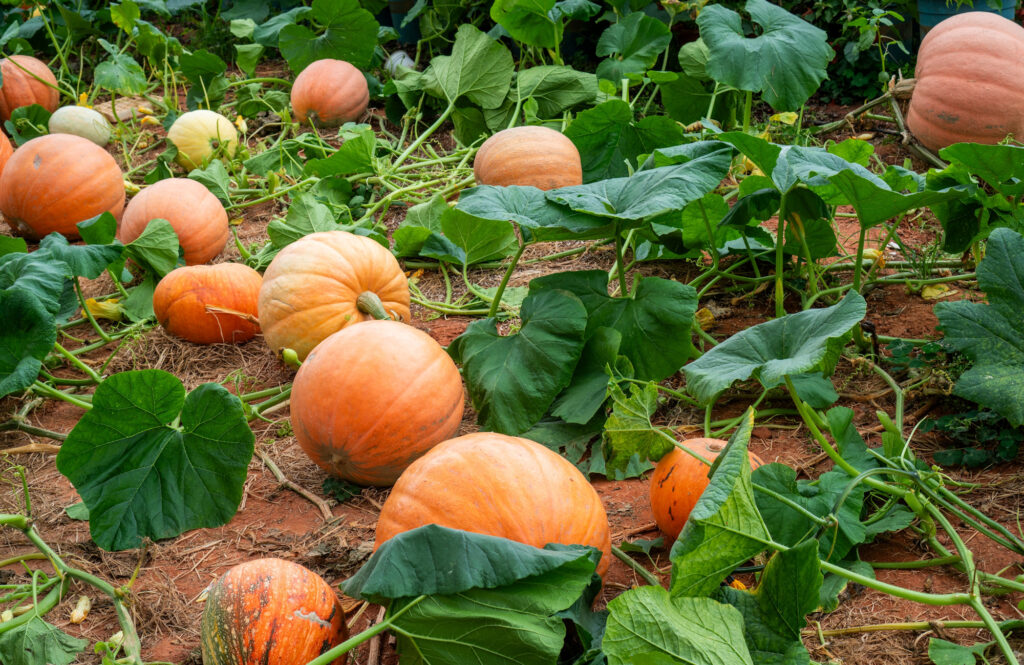
Winter squash and pumpkins should be harvested when mature and handled carefully so their skins are not damaged. Many storage varieties benefit from proper curing before long-term storage.
Do not allow an entire summer’s work to freeze simply because October suddenly became colder than expected.
🥕 Keep Cool-Season Vegetables Growing
Not everything needs to leave the garden when frost arrives.
Many cool-season vegetables tolerate chilly weather much better than summer crops.
Depending on the crop and local conditions, October harvests may include:
- Kale
- Spinach
- Lettuce
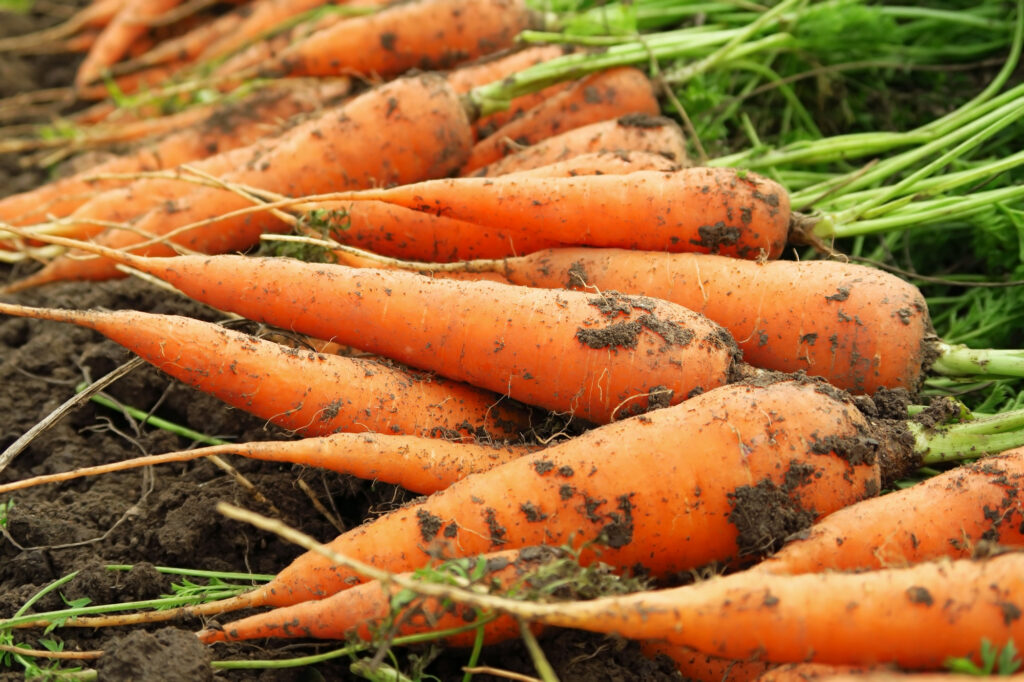
- Carrots
- Beets
- Radishes
- Broccoli
- Cabbage
- Brussels sprouts
- Leeks
- Peas
- Swiss chard
Some cool-season vegetables can tolerate light frost, and several may even develop excellent flavor during cool weather.
Protecting these crops with row covers, low tunnels, or cold frames can extend the harvest even longer.
Visit our Vegetable Gardening hub for more help planning cool-season and warm-season crops.
🥬 Plant Fall Vegetables in Mild Climates
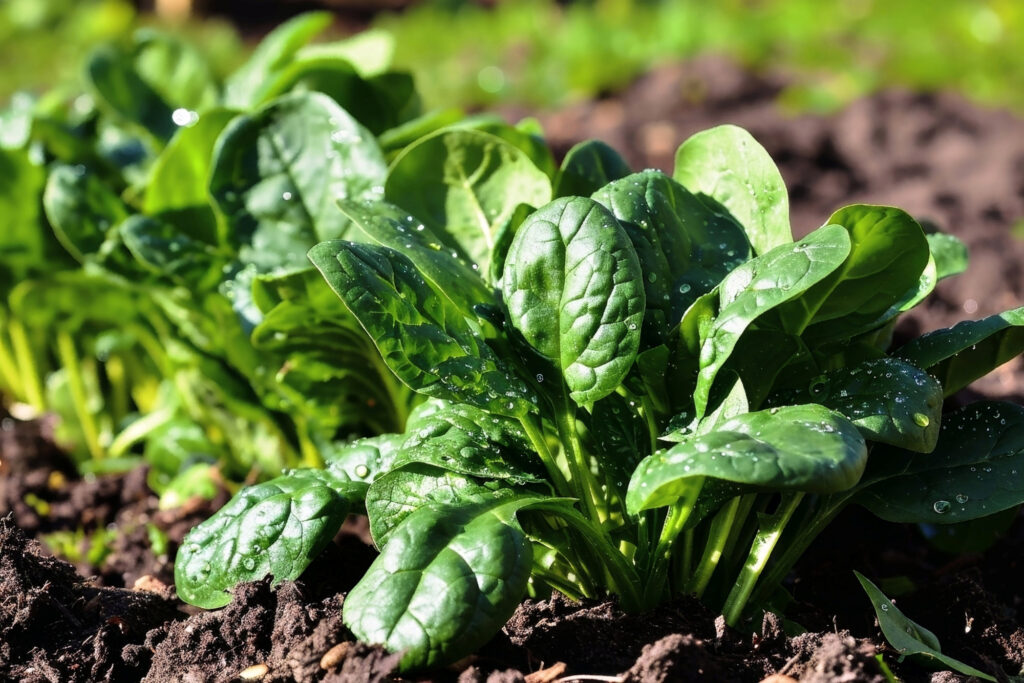
While northern gardeners may be finishing vegetable harvests, gardeners in warmer climates may be planting.
October can be an excellent month for cool-season vegetables where winters are mild.
Possible crops include lettuce, spinach, kale, carrots, radishes, beets, peas, broccoli, cabbage, onions, and other plants adapted to cooler conditions.
What you can plant depends heavily on local weather and the number of growing days remaining.
Use a regional planting calendar rather than a national October checklist.
In the warmest climates, fall and winter can actually become the easiest seasons for growing many vegetables that struggle during intense summer heat.
🧄 Plant Garlic for Next Year’s Harvest
Garlic is one of October’s classic planting opportunities in many regions.
Individual cloves planted in fall have time to begin establishing roots before winter and then resume vigorous growth the following spring.
Choose healthy garlic intended for planting when possible.
Separate bulbs into individual cloves shortly before planting and place each clove with the pointed end facing upward.
Garlic prefers a sunny site with good drainage.
After planting, gardeners in colder climates may apply mulch once cold weather becomes established to help moderate soil-temperature fluctuations.
For complete instructions, visit How to Plant Garlic.
🌷 Plant Spring-Flowering Bulbs
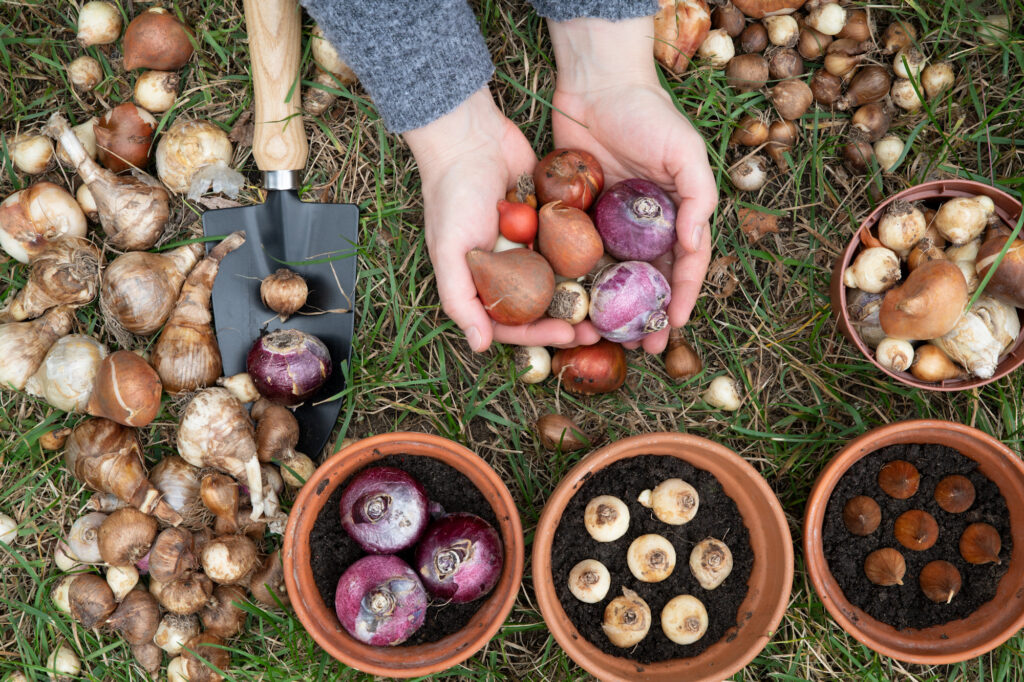
Some of spring’s most welcome flowers begin with work done in October.
Daffodils, tulips, crocuses, glory of the snow, snowflakes, and many other spring-blooming bulbs are planted in fall across much of the country.
Choose firm, healthy bulbs without obvious rot, severe damage, or mold.
Plant them at the depth recommended for the particular species and give them a location with appropriate light and good drainage.
Poorly drained soil is particularly troublesome for many bulbs because prolonged saturation can lead to rot.
If squirrels or other animals frequently dig in newly planted beds, physical barriers may help protect certain bulbs.
Then mark the planting location. By spring, it is surprisingly easy to forget where everything is waiting underground.
Explore Crocus Care and Daffodils: Spotlight on This Quintessential Springtime Favorite for more spring-flower ideas.
🌳 October Can Be Excellent for Planting Trees
Fall can be a very good time to plant trees in many climates.
Cooler air reduces some of the stress associated with summer planting, while soil may remain warm enough for root development.
Successful tree planting still begins with choosing the right tree for the right place.
Consider mature height and width, utility lines, buildings, sidewalks, soil drainage, available root space, and sunlight.
Planting depth is also critical.
Do not bury the root flare beneath several inches of soil or mulch.
Water newly planted trees thoroughly and continue monitoring moisture during dry fall weather.
Our How to Plant a Tree guide provides additional planting guidance.
🌿 Plant Shrubs and Perennials
October can also be a useful planting month for shrubs and hardy perennials where enough time remains for root establishment before severe winter conditions.
Cool temperatures mean new plants lose less moisture through their leaves than they would during midsummer.
However, newly planted perennials still need attention.
Water when soil becomes dry and do not assume cool temperatures eliminate the need for moisture.
In very cold areas or when planting late in the season, consider whether the species has enough time to establish before the ground freezes.
Plant selection matters as much as timing.
A perennial planted in fall still needs appropriate sunlight, soil, drainage, and winter hardiness to succeed.
🌸 Divide Appropriate Perennials
Early to mid-fall can be a good time to divide certain established perennials.
Division can rejuvenate crowded plants, control their spread, provide material for another garden bed, or produce plants to share with friends.
Not every perennial should be divided in October.
Some plants prefer spring division, while others dislike disturbance altogether.
Give newly divided plants enough time to establish roots before the soil freezes.
Water them well after planting and monitor moisture.
When in doubt, research the specific plant rather than relying on a rule that every perennial should be divided in fall.
🌹 Give Roses Sensible Fall Care
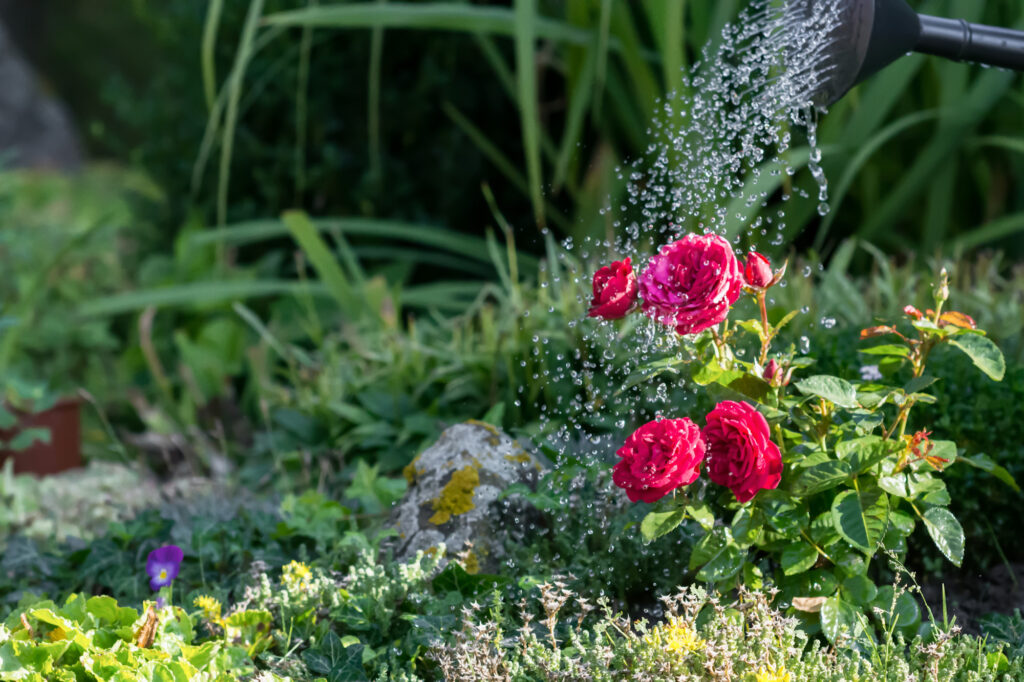
October does not require aggressively pruning roses.
In many climates, substantial rose pruning is better left until the appropriate late-winter or spring period.
Continue removing obviously diseased foliage if it has been a problem, and clean up infected leaves around the plants when appropriate.
Stop encouraging excessive tender growth as winter approaches.
Once cold weather becomes established, less-hardy roses may require winter protection depending on the type and climate.
Our How to Grow a New Rose Garden guide covers year-round rose care in greater detail.
🌻 Decide Which Perennials to Leave Standing
Traditional fall gardening advice often encouraged cutting every perennial to ground level.
That is no longer the only approach.
Seed heads from coneflowers, black-eyed Susans, sunflowers, and other plants can provide food for birds. Hollow stems and plant debris can offer overwintering habitat for insects. Ornamental grasses contribute winter structure and movement.
You can leave many healthy plants standing until late winter or spring.
At the same time, diseased foliage may be better removed, and plants collapsing across pathways can be cut back when necessary.
Aim for selective cleanup rather than treating the entire landscape exactly the same way.
🐝 Make Fall Cleanup Friendlier to Pollinators
Many insects spend winter hidden in stems, leaf litter, bark, soil, and other protected parts of the landscape.
Removing every leaf and cutting every stem in October can reduce available overwintering habitat.
Consider leaving healthy perennial stems standing and allowing some leaves to remain in ornamental beds or beneath shrubs.
You can still keep visible edges, patios, walkways, and high-traffic areas neat.
Wildlife-friendly gardening does not require making the entire landscape look abandoned.
Our Eco-Friendly Gardening hub offers additional ways to support pollinators, beneficial insects, birds, and healthy soil.
🍂 Make Fallen Leaves Work for You
October may provide more free organic material than any other month.
Leaves can become:
- Compost ingredients
- Mulch
- Soil-building material
- Winter habitat
- Path material after shredding in some settings
Instead of automatically bagging every leaf, consider where it can remain useful on your property.
Shredded leaves can be especially convenient because they break down faster and are less likely to form thick mats.
Avoid allowing dense layers of whole leaves to remain on turf for extended periods, where they may block sunlight and air.
Leaves do not need to disappear from the property merely because they fell from the trees.
♻️ Build the Compost Pile
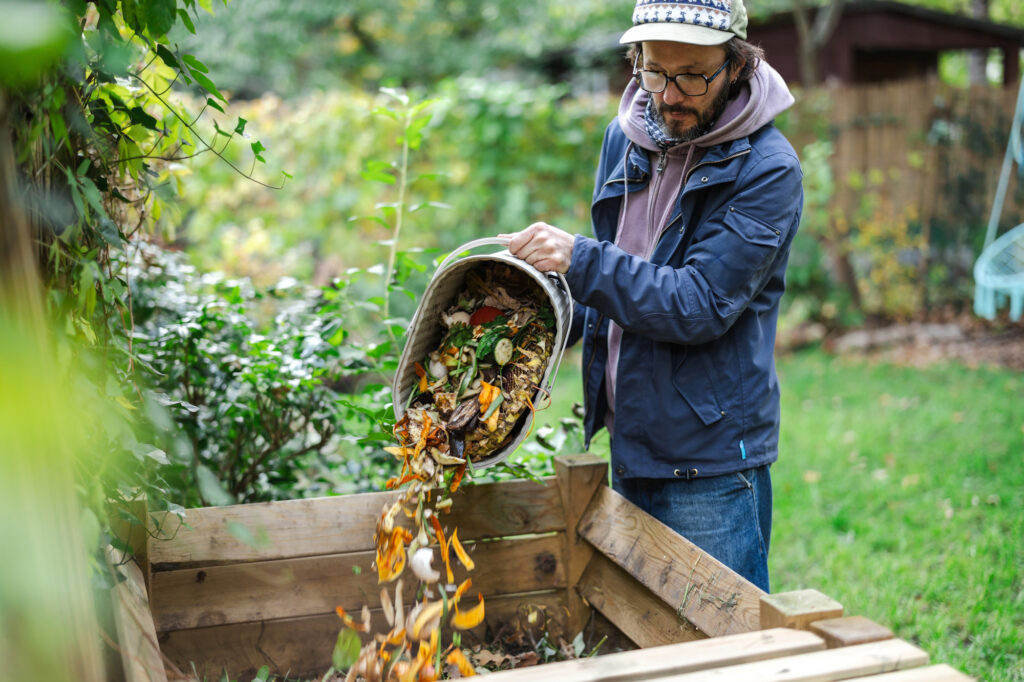
Fall is a perfect season for composting because dry leaves supply an enormous amount of carbon-rich material.
Combine leaves and other browns with appropriate nitrogen-rich greens such as vegetable scraps and fresh garden material.
A healthy backyard compost pile needs carbon, nitrogen, moisture, and oxygen.
Chopping or shredding larger materials can help them decompose more quickly.
Do not add meat, dairy products, fats, pet waste, chemically treated wood, or other unsuitable material to a standard backyard compost pile.
Keep a supply of dry leaves if you have room. They can be mixed with kitchen scraps throughout winter and even into the following spring.
🌎 Protect Bare Soil
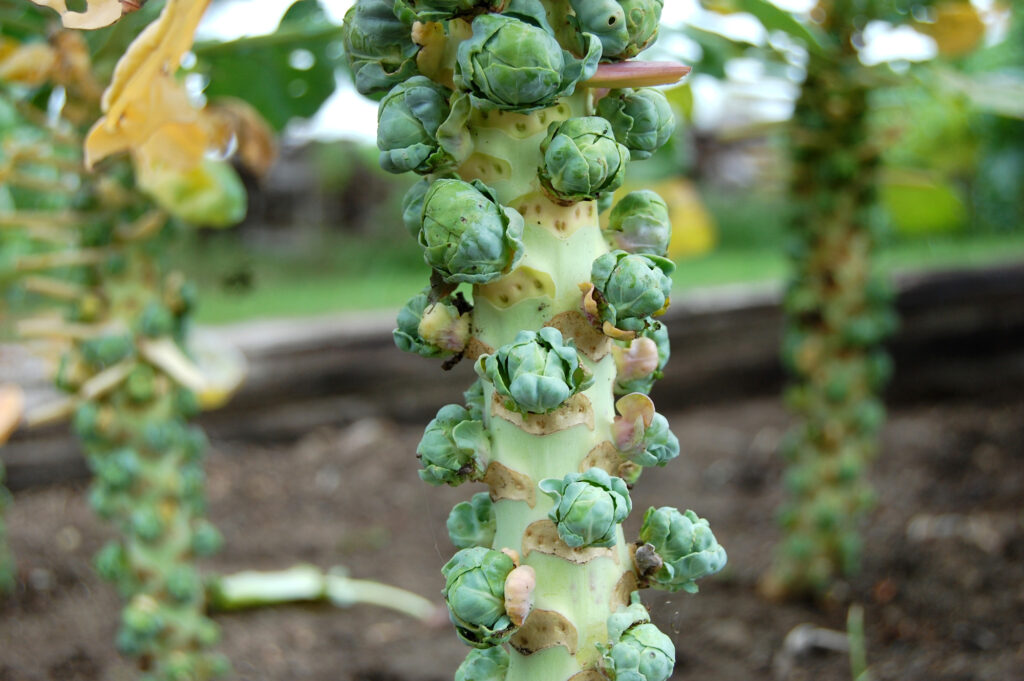
Empty vegetable beds and recently cleared flower beds do not need to remain bare all winter.
Bare soil can be exposed to erosion, heavy rain, wind, and repeated freezing and thawing.
Consider covering the surface with suitable mulch, shredded leaves, clean straw, or an appropriate cover crop.
Healthy plant residues can sometimes remain as well.
Raised beds deserve the same consideration.
The soil inside a raised bed is an investment. Protecting it from unnecessary erosion and compaction helps maintain the structure you worked to create.
See Raised Bed Gardening for Beginners for more raised-bed maintenance advice.
🌱 Plant Cover Crops When Timing Allows
Cover crops can help protect vegetable-garden soil while it is not being used for food production.
Depending on region and planting date, possibilities may include cereal rye, oats, winter wheat, clovers, or other species.
Some cover crops winter-kill naturally, while others survive and need to be managed before spring planting.
Timing is important.
A cover crop planted too late may not become established enough to provide the intended benefits.
Consult local recommendations before choosing one.
If your planting window has passed, organic mulch can still protect the soil surface.
🧪 October Is a Good Time to Test Soil
Fall soil testing gives gardeners time to understand their soil before spring planting begins.
A laboratory soil test can provide information about pH and nutrient levels and may offer recommendations based on what you intend to grow.
This helps prevent unnecessary fertilizer applications.
Do not assume plants struggled because the soil needed more nutrients. Poor drainage, inappropriate sunlight, drought, disease, root damage, or overcrowding can create similar symptoms.
Test first.
Then amend only when there is a reason.
Our Gardening Soil 101 guide provides a deeper introduction to soil health.
🌾 Add Compost Without Overdoing It
Finished compost can improve soil structure and contribute organic matter, making fall a convenient time for modest applications.
But compost should not be applied endlessly without considering what the soil needs.
Compost can contain significant nutrients, and repeated excessive additions may cause some nutrients to accumulate.
Think of compost as one part of soil management rather than a universal cure.
Maintaining soil health is a long-term process involving organic matter, plant roots, drainage, microbial activity, appropriate nutrients, and protection from unnecessary compaction.
💧 Keep Watering During Dry Falls
Cooler temperatures do not automatically mean plants have enough water.
Autumn can be surprisingly dry.
New trees, shrubs, perennials, and other recent plantings still need moisture while roots establish.
Evergreens deserve particular attention because they retain foliage through winter and can continue losing moisture.
Check the soil.
If conditions have been dry and the ground is not frozen, water deeply enough to moisten the root zone.
Avoid keeping soil continuously saturated.
Fall watering should respond to actual conditions just like summer watering.
🌲 Prepare Evergreens for Winter
Evergreens continue carrying foliage after deciduous plants have dropped their leaves.
This makes them vulnerable to moisture loss during winter, especially when soil becomes frozen and roots cannot replace water lost through foliage.
Entering winter with adequately moist soil can help.
Newly planted or exposed evergreens may deserve additional attention.
Wind protection may be useful in particularly harsh locations, but good plant placement and choosing appropriately hardy species remain more effective long-term solutions than trying to protect an unsuitable plant every winter.
🍓 Give Strawberries Fall Attention
Strawberries may require winter protection in colder regions, but heavy mulch should not necessarily be applied at the first chilly night.
Plants should generally experience appropriate cold and begin entering dormancy before winter mulch is applied.
Timing varies by region.
Clean straw is commonly used for winter protection.
Do not smother plants prematurely simply because October has arrived.
Use local recommendations based on actual temperature conditions.
For general strawberry-growing guidance, visit How to Plant Strawberries.
🍎 Harvest Apples, Pears, and Other Fall Fruit
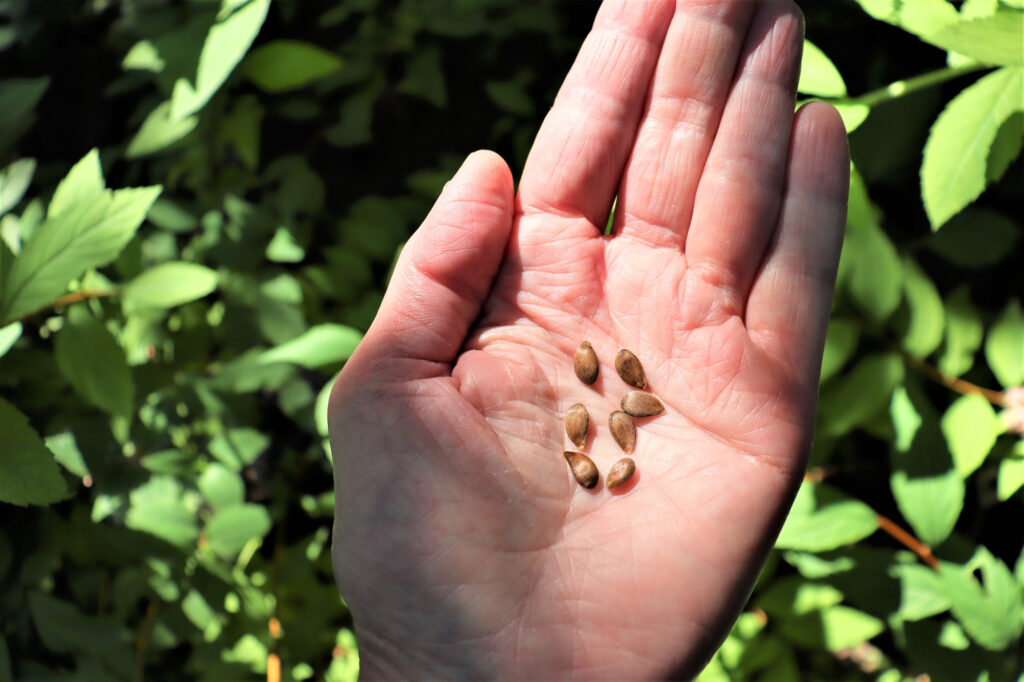
October is harvest season for many tree fruits and late berries, depending on cultivar and climate.
Apples and pears should be harvested according to the characteristics of the particular variety rather than simply waiting for fruit to fall.
Remove damaged or diseased fruit from beneath trees when practical.
Sound fruit intended for storage should be handled carefully to avoid bruising.
Knowing the name of your cultivar is particularly useful because varieties have different harvest periods, storage potential, and ripening behavior.
Explore Herbs & Fruit for more information on apples, pears, plums, berries, and culinary herbs.
🖤 Check Raspberry and Blackberry Canes
Once the main berry harvest has finished, raspberry and blackberry plantings become easier to evaluate.
Do not automatically cut every cane to the ground.
Different raspberry and blackberry types fruit on different ages of canes, and pruning methods vary.
Remove canes according to the growth habit of the type you are growing.
Inspect trellises, posts, ties, and wires while foliage becomes less dense.
Repairing structural problems before winter can make next year’s maintenance much easier.
See Growing Raspberries 101 and Growing Blackberries for more information.
🌿 Harvest Herbs Before Cold Weather
Tender herbs should be harvested before freezing temperatures end their season.
Basil is particularly sensitive to cold.
Use the October harvest fresh or preserve it through drying, freezing, or another appropriate method.
Perennial herbs such as thyme, oregano, chives, mint, sage, and some lavenders may continue well into fall and return the following year when hardy in your climate.
Rosemary is more climate-dependent.
Gardeners in colder areas may grow it in containers so plants can be brought into protected conditions.
Visit Herbs & Fruit for more herb-growing information.
🪴 Bring Tender Plants Indoors Before Cold Damages Them
Houseplants and tropical container plants that spent summer outdoors should return indoors before temperatures become too cold for them.
Do not wait until a freezing night is already occurring.
Inspect every plant carefully before it enters the house.
Check:
- Leaf undersides
- Stem joints
- New growth
- Pot rims
- Soil surfaces
Look for spider mites, mealybugs, scale, aphids, whiteflies, fungus gnats, and other pests.
Bringing one infested plant indoors can spread problems to an entire houseplant collection.
For indoor care advice, visit Indoor Plants.
🌤️ Help Houseplants Adjust to Indoor Conditions
Plants moving from outdoors to indoors experience a major environmental change.
Even a bright window usually provides much less light than outdoor conditions.
Indoor humidity may also fall once heating systems begin operating.
Expect some plants to slow their growth or shed leaves while adjusting.
Place them according to their light requirements, keep them away from extreme drafts, and reconsider watering frequency.
Because growth often slows indoors, potting mix may remain moist much longer than it did outside during summer.
Do not water on the same schedule simply because the plant has not changed pots.
🌿 Move Tender Herbs Indoors
Container-grown herbs such as rosemary, parsley, chives, mint, or other suitable plants can sometimes be moved indoors for continued use.
Light is usually the largest limitation.
Most culinary herbs naturally prefer bright conditions, so a dim kitchen counter may not support strong growth.
A bright window or supplemental grow light can help.
Inspect herbs for pests before bringing them inside, and avoid keeping potting mix continuously wet as growth slows.
Our Indoor Herb Gardening guide provides more help.
🐛 Clean Up the Vegetable Garden
Once warm-season crops are finished, remove dead plants from the vegetable garden.
Plants that are healthy can often be composted.
Seriously diseased material may require different disposal depending on the disease and your composting system.
Remove rotting fruit as well.
Leaving large amounts of diseased or decaying crop material in place may provide overwintering sites for certain pests and diseases.
After cleanup, protect the soil with mulch or a suitable cover crop rather than leaving it unnecessarily exposed.
🔄 Record What Grew Where
Before pulling the last tomato stake and forgetting everything until spring, draw a quick map of the vegetable garden.
Record where you grew:
- Tomatoes
- Peppers
- Potatoes
- Beans
- Peas
- Squash
- Cucumbers
- Brassicas
- Onions and garlic
- Root vegetables
This makes crop rotation easier next year.
Remember that related crops belong to the same plant family. Tomatoes, peppers, potatoes, and eggplants are all nightshades, so merely swapping one for another does not constitute meaningful rotation.
Your October notes can save considerable guesswork in spring.
🏷️ Label Plants Before They Disappear
Perennials have an inconvenient habit of disappearing just when you finally decide to reorganize the garden.
Add durable labels to important plants before frost eliminates their foliage.
Label:
- Unusual perennials
- Bulbs
- Fruit trees
- Berry cultivars
- Roses
- Newly planted shrubs
- Experimental varieties
Photographs provide excellent backup.
A picture of the entire bed can be more useful than a close-up when you are trying to remember locations six months later.
📸 Photograph the Garden
October is an excellent time to document the garden.
Take photographs before frost and leaf drop completely change the landscape.
Capture whole beds rather than only individual flowers.
Look for:
- Empty areas
- Overcrowded sections
- Plants blocking paths
- Poor color combinations
- Places lacking fall interest
- Shrubs outgrowing their spaces
- Plants needing division
- Areas that might benefit from bulbs
Winter garden planning becomes much more productive when you can see what the landscape actually looked like.
🐦 Leave Seed Heads for Birds
The urge to remove every fading flower can be strong, but some seed heads become valuable fall and winter food.
Coneflowers, black-eyed Susans, sunflowers, and other seed-producing plants may attract birds.
They also add visual texture to a garden after colorful flowers disappear.
Leaving selected plants standing reduces fall chores and extends the useful life of the garden.
Anything that becomes damaged, diseased, or unattractive can still be removed later.
🦋 Leave Some Leaves for Wildlife
Fallen leaves provide shelter for numerous insects and other small organisms.
Instead of blowing every leaf from every part of the property, consider allowing leaves to remain beneath shrubs, in woodland-style beds, and in other appropriate areas.
Leaves can also insulate soil and gradually add organic matter as they break down.
Keep heavy accumulations away from areas where they create genuine problems, such as lawns, drains, walkways, and structures.
The goal is not “never rake.”
It is to put leaves where they can do useful work instead of treating all of them as garbage.
🐇 Begin Protecting Young Trees
As other food sources decline, rabbits, rodents, and deer may begin browsing or damaging young trees and shrubs.
Young bark is particularly vulnerable.
Appropriate trunk guards or fencing can help protect trees from certain animals.
Install protection before heavy winter feeding begins rather than after damage appears.
Check guards periodically and remove or adjust them when necessary so they do not constrict growing trunks.
🦌 Plan Ahead for Deer
Deer pressure often changes as the seasons change.
Plants ignored during summer may become attractive after other vegetation declines.
If deer routinely cause significant winter damage in your area, physical barriers can provide dependable protection.
Repellents may also have a role, but their effectiveness varies and repeated applications may be required.
Remember that “deer resistant” does not mean “deer proof.”
Hungry animals can browse plants they normally ignore.
🌾 Give the Lawn Attention Before Winter
October lawn care varies with grass type and climate.
Cool-season lawns may remain actively growing well into fall, while warm-season grasses are preparing for dormancy.
Continue mowing while grass is still growing, but do not scalp the lawn before winter.
Remove thick layers of leaves that block sunlight and air.
Fertilization recommendations vary significantly with grass species, soil conditions, and region, so use local guidance rather than assuming every lawn needs the same fall treatment.
A soil test can help prevent unnecessary fertilizer use.
🍃 Mulch Leaves With the Mower
Light to moderate leaf cover can sometimes be shredded directly into a lawn with a mower.
Small leaf pieces work down between grass blades and decompose.
This can reduce the enormous volume of leaves that would otherwise need to be collected.
If leaves are so thick that the lawn becomes buried, remove or redistribute some of them.
Extra shredded leaves can become mulch or compost ingredients.
October leaves are a resource—use them where they provide the greatest benefit.
💧 Drain Irrigation Systems as Cold Weather Approaches
Garden hoses and irrigation equipment may need attention before freezing conditions become established.
Disconnect hoses from outdoor faucets and drain them when hard freezes become likely.
Drip systems and other irrigation components may require winterization depending on climate and design.
Automatic systems should be managed according to manufacturer recommendations.
Do not wait until equipment is frozen solid to remember that water expands when it freezes.
Our Garden Tools & Products hub includes more advice on caring for gardening equipment.
🧰 Clean Tools as Jobs Finish
You do not need to clean and store every garden tool on October 1.
Instead, maintain tools gradually as their seasonal jobs finish.
Remove soil from shovels and garden forks.
Clean pruners.
Sharpen blades when appropriate.
Inspect wooden handles and tighten loose hardware.
Store tools somewhere protected from prolonged exposure to rain and snow.
Well-maintained equipment is easier to use and far less frustrating when spring returns.
🪣 Empty Vulnerable Containers
Unused containers can collect rainwater during fall.
When that water freezes and expands, certain materials may crack.
Empty and store frost-sensitive pots, saucers, watering cans, and decorative containers before severe cold arrives.
Outdoor containers holding perennial plants deserve special consideration.
Roots inside above-ground pots experience colder temperatures than roots growing in the surrounding earth.
A plant that is reliably hardy in an in-ground bed may be less dependable in an exposed container.
🌧️ Check Drainage During Fall Rain
Autumn rain can expose landscape problems hidden during dry summer weather.
Walk through the property after a substantial storm.
Where does water collect?
Are downspouts sending water into flower beds or toward foundations?
Do raised beds drain appropriately?
Does one section remain saturated long after the rest of the yard dries?
Make notes.
You may not need to fix everything immediately, but knowing how water moves across the property can guide future plant selection and landscape changes.
🛤️ Refresh Garden Paths
Fall is a convenient time to address muddy, overgrown, or deteriorating pathways.
Wood-chip paths may need replenishing.
Pavers may have shifted.
Edging can become loose after a busy summer.
A functional path keeps foot traffic out of growing soil and makes garden work easier in wet weather.
If paths routinely become muddy, consider whether drainage or surface materials need improvement rather than simply adding more material every year.
🧑🌾 Review Raised Beds
After summer crops finish, raised beds deserve a quick inspection.
Look for:
- Bowing boards
- Loose fasteners
- Corroded hardware
- Damaged irrigation
- Settled soil
- Persistent weeds
- Weak trellises
You do not necessarily need to repair everything in October, but identifying problems now means you can address them before spring planting becomes urgent.
Avoid emptying raised beds simply because the season ended.
Healthy soil should be maintained and improved rather than replaced annually.
🌼 Add Fall Color
October does not need to mean the end of ornamental gardening.
Depending on climate, asters, chrysanthemums, ornamental grasses, sedums, pansies, and other plants may provide late-season color.
Native late-blooming plants can be especially valuable to pollinators still active during fall.
Choose plants based on their long-term value rather than treating every autumn display as disposable.
A garden designed for multiple seasons feels more complete than one that reaches its peak in June and steadily declines afterward.
🪻 Notice What Is Blooming Late
Pay attention to the flowers that are still attracting pollinators in October.
Late-season nectar and pollen resources can be particularly valuable because fewer plants remain in bloom.
Make note of successful late bloomers.
If the garden becomes almost flowerless by September, consider adding plants next year that extend the bloom sequence farther into fall.
Our Flower Gardening hub can help you plan flowers across several seasons.
🌱 Save Seeds From Favorite Plants
October provides abundant opportunities for seed saving.
Annual flowers, herbs, and vegetables may all have mature seed ready for collection.
Choose healthy plants and allow seeds to mature properly before harvesting.
Open-pollinated varieties are generally more predictable from seed than hybrids, although cross-pollination can still produce surprises.
Dry seeds thoroughly before storage and label them with the plant name, variety, and year.
Do not rely on memory.
By spring, a jar labeled only “yellow flowers” will not feel nearly as informative as it did in October.
🌻 Share Extra Plants
Fall perennial division often creates more plants than one gardener needs.
Healthy divisions can be shared with friends, neighbors, school gardens, community organizations, or local plant exchanges.
Do not share invasive species, diseased material, or plants known to carry significant pests.
Sharing plants is one of the simplest ways to reduce waste while giving established garden plants another useful home.
🛍️ Be Selective With Fall Nursery Sales
October can bring substantial plant discounts.
That does not mean every discounted plant belongs in your yard.
Before buying, ask:
- Is it hardy here?
- Is October an appropriate planting time?
- Do I have the right sunlight?
- Does my soil drain appropriately?
- How large will it become?
- Is the plant healthy?
- Is it invasive locally?
- Do I actually have a place for it?
A deeply discounted shrub planted three feet from a foundation when it ultimately grows ten feet wide is not a bargain.
Buy for the garden you have—not for the excitement of the sale.
📝 Start Next Year’s Garden Notes Now
October is an excellent time to evaluate the growing season while you still remember it.
Write down:
- Best tomato variety
- Favorite flowers
- Crops that failed
- Plants that needed too much water
- Areas with persistent weeds
- Major pest outbreaks
- Diseases
- Vegetables planted too early or late
- Plants needing division
- Shrubs needing relocation
- Bulbs you want to add
- Tools that need replacement
- Projects worth tackling next year
These notes turn experience into useful information.
Without records, gardeners often repeat the same experiments every season.
📅 Plan Before the Seed Catalogs Arrive
Winter seed catalogs are excellent at creating entirely new ambitions.
Before they arrive, decide what actually worked this year.
Did your household eat all those zucchini?
Were six tomato plants enough—or twenty too many?
Did you wish you had more flowers for cutting?
Was the herb garden too far from the kitchen to use regularly?
Would one additional raised bed genuinely help?
Planning from experience produces a garden much better suited to your life than planning from attractive catalog photographs alone.
🌎 October Gardening in Warm Climates
For gardeners in mild regions, October may be closer to the beginning of the main gardening season than its end.
Cooling temperatures can create good planting conditions for vegetables, herbs, flowers, trees, shrubs, and perennials.
Possible October crops may include leafy greens, carrots, radishes, beets, peas, broccoli, cabbage, herbs, and other cool-season plants.
Continue watering according to actual conditions rather than assuming autumn temperatures eliminate the need for irrigation.
Pests may also remain active much longer than they do in northern climates.
Regional planting guidance is particularly important.
❄️ October Gardening in Cold Climates
In colder regions, October may bring repeated freezes or even snow.
Priorities shift toward:
- Completing harvests
- Planting bulbs
- Planting garlic
- Protecting soil
- Cleaning up disease problems
- Watering new trees and shrubs before freeze-up
- Bringing tender plants indoors
- Preparing irrigation equipment
- Protecting young trees
- Storing vulnerable containers
- Finishing garden records
Do not try to force the growing season to continue indefinitely.
Dormancy is not a gardening failure.
It is a normal part of the yearly cycle.
✅ Your October Garden Checklist

Every garden is different, but a useful October checklist may include:
- Monitor frost forecasts
- Harvest tender vegetables
- Continue harvesting cool-season crops
- Plant garlic
- Plant spring-flowering bulbs
- Plant suitable trees, shrubs, and perennials
- Divide appropriate perennials
- Leave healthy seed heads standing
- Remove seriously diseased garden material
- Compost healthy plant debris
- Shred and reuse leaves
- Protect bare soil
- Sow cover crops where timing allows
- Test garden soil
- Water new plantings during dry weather
- Inspect berry plants and supports
- Bring tender houseplants and herbs indoors
- Clean tools and irrigation equipment
- Photograph garden beds
- Label important plants
- Record crop locations
- Protect young trees from wildlife
- Review what worked this year
- Begin planning next year’s garden
Use this list as a reminder, not a deadline.
If your climate is three weeks ahead or behind someone else’s, your garden tasks should be too.
🍁 Enjoy the Garden Before Winter
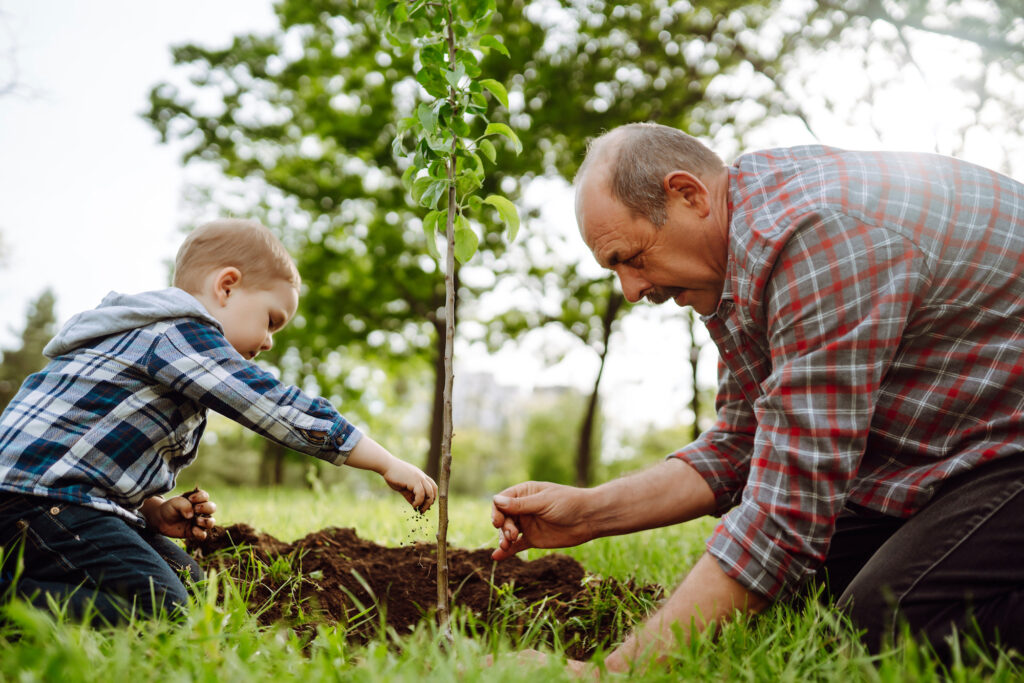
October can feel like a month of endings.
Tomato plants collapse after frost. Leaves fall. Flowers fade. Days become noticeably shorter, and the garden that felt almost impossibly lush in July begins opening up.
But October is also full of beginnings.
Garlic goes into the soil.
Daffodils wait underground for spring.
Trees establish new roots.
Compost begins forming from fallen leaves.
Seeds are collected for next year.
Plans are being made for beds that do not exist yet.
Gardening is cyclical. The end of one growing season already contains the beginning of another.
So finish the tasks that matter, leave some seed heads for the birds, put the leaves to work, plant the bulbs you want to see next spring, and take a little time to enjoy what remains.
The garden is slowing down.
You can too.
🔗 Related Articles
- Seasonal Gardening
- November Gardening: Winter Preparation and Late-Season Success
- Gardening Basics
- Eco-Friendly Gardening
- Vegetable Gardening
- Flower Gardening
- Herbs & Fruit
- Indoor Plants
- Garden Tools & Products
- Raised Bed Gardening for Beginners
- How to Plant Garlic
- Crocus Care
- Daffodils: Spotlight on This Quintessential Springtime Favorite
- How to Grow a New Rose Garden
- How to Plant Strawberries