November is a transition month in the garden.
In colder regions, frost has already ended much of the growing season, leaves are falling rapidly, and gardeners are preparing beds, tools, trees, and perennial plants for winter. In milder climates, November can still be an active planting month, with cool-season vegetables growing strongly and trees, shrubs, and perennials continuing to establish roots.
That makes November gardening less about following one universal checklist and more about responding to what is happening outside your own door.
The first hard freeze may have arrived—or it may still be weeks away. Your vegetable beds may be empty, or they may be producing kale, spinach, carrots, and other cool-season crops. Some gardens are disappearing beneath snow while others are entering one of the most comfortable planting periods of the year.
Use November to finish important fall tasks, protect vulnerable plants, improve the soil, harvest what remains, and prepare the garden so spring begins with fewer problems.
🍂 Let the Weather Set Your November Schedule
A national gardening calendar can only take you so far.
November conditions in Minnesota bear little resemblance to November conditions in southern California, Florida, or the Gulf Coast. Even gardeners within the same USDA hardiness zone can experience different rainfall, elevation, wind, soil, and frost timing.
Pay attention to actual conditions rather than the month alone.
Important signals include:
- First hard freeze
- Soil temperature
- Whether the ground has frozen
- Recent rainfall
- Extended drought
- Snowfall
- Plant dormancy
- Local frost forecasts
- Whether cool-season crops are still growing
Our Seasonal Gardening hub provides a broader look at adjusting garden work throughout the year.
🍁 Finish Fall Cleanup Without Stripping the Garden Bare
November often inspires one final garden cleanup, but not everything needs to be cut, bagged, and removed.
Diseased vegetable plants and heavily infected ornamental foliage may be worth removing to reduce the amount of problematic material overwintering in the garden. Fallen fruit should also be collected when it could harbor pests or diseases.
Healthy perennial stems are different.
Coneflowers, black-eyed Susans, ornamental grasses, asters, and many other plants can provide winter structure and food or shelter for wildlife.
Seed heads may feed birds, while hollow stems and plant debris can provide overwintering habitat for insects.
Instead of clearing every bed to bare soil, consider a selective cleanup.
Remove what is genuinely problematic and allow healthy plants to contribute to the winter garden.
For more ideas about balancing garden maintenance with wildlife habitat, visit Eco-Friendly Gardening.
🌿 Remove Diseased Plant Material
Disease management is one situation where garden cleanup can be particularly helpful.
Plants affected by significant fungal, bacterial, or viral problems may leave infected material behind after the growing season.
Remove badly diseased foliage, stems, fruit, or vegetable debris when recommended for the particular disease.
Do not assume every spotted leaf is dangerous, however. Many leaves develop harmless blemishes as they age, and not every cosmetic problem survives from one season to the next.
Correct identification matters.
If you are uncertain about a persistent disease problem, your local Cooperative Extension service can often help identify it and recommend an appropriate cleanup strategy.
🍂 Use Fallen Leaves Instead of Throwing Them Away
Autumn leaves are one of the most abundant free garden resources available.
Instead of bagging every leaf for disposal, consider using them in the garden.
Leaves can be:
- Added to compost
- Shredded and used as mulch
- Allowed to decompose beneath shrubs
- Used in appropriate garden beds
- Saved as a carbon-rich material for future composting
Shredding leaves helps them break down faster and reduces the chance that thick layers will mat together.
Avoid leaving a heavy blanket of whole leaves over turfgrass, where they can block light and air.
But in beds and naturalized areas, leaves can protect the soil while gradually returning organic material to it.
♻️ Keep the Compost Pile Going
November is an excellent month for building a compost pile because gardens supply enormous amounts of carbon-rich material.
Dry leaves can be combined with appropriate nitrogen-rich materials such as fresh garden trimmings, certain kitchen scraps, and late-season grass clippings.
Composting slows as temperatures fall, but decomposition does not necessarily stop completely.
You can continue adding appropriate material even when the pile is no longer visibly active.
Avoid adding meat, dairy products, fats, pet waste, diseased plant material that should not be composted at home, or chemically treated wood.
The pile will become active again as temperatures rise.
🌱 Protect Bare Garden Soil
Leaving soil completely bare through winter exposes it to erosion, heavy rain, wind, and repeated freezing and thawing.
Several simple strategies can protect it.
You might apply an appropriate organic mulch, leave healthy plant residues in place, or grow a cover crop where climate and timing allow.
Vegetable beds can often benefit from shredded leaves, clean straw, or another suitable mulch.
The goal is not to bury the garden beneath an enormous layer. A reasonable cover protects the soil surface while still allowing water and air movement.
Raised-bed gardeners can find additional winter-maintenance advice in Raised Bed Gardening for Beginners.
🌎 Add Compost Thoughtfully
Fall can be a convenient time to add finished compost to garden beds, but more is not automatically better.
A modest layer can contribute organic material and improve soil over time.
Avoid treating compost as something that must be applied heavily every autumn regardless of soil conditions.
Repeated excessive applications can cause nutrients such as phosphorus to accumulate unnecessarily.
Periodic soil testing is a better way to determine what garden soil actually needs.
Our Gardening Basics hub explains soil testing, compost, mulch, drainage, and other fundamentals in greater detail.
🧪 Consider a Soil Test
If the garden struggled this year, November can be a good time to think about soil rather than immediately reaching for fertilizer.
A laboratory soil test can provide information about pH and nutrient levels.
That information is especially useful before making major changes.
Poor plant growth is not always caused by inadequate fertility. Compaction, drainage, light, drought, disease, overcrowding, or inappropriate plants can produce similar symptoms.
Testing helps separate actual nutrient problems from guesswork.
If your state Cooperative Extension service offers soil testing, follow its sampling instructions carefully.
🌷 Finish Planting Spring-Flowering Bulbs
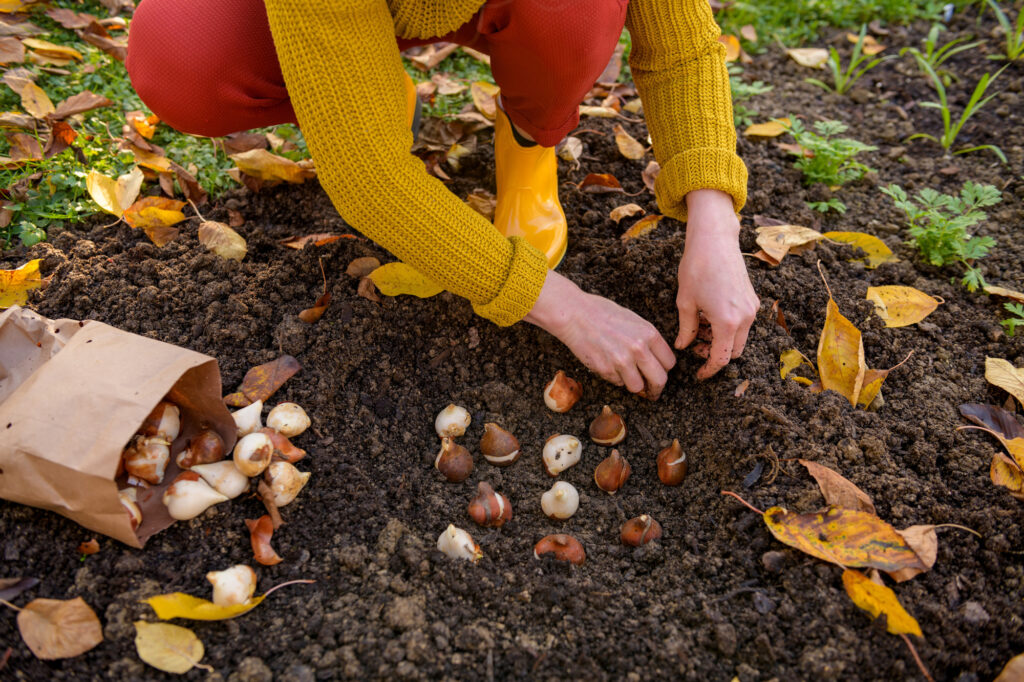
In many colder climates, November can still be an appropriate time to plant spring-flowering bulbs as long as the soil remains workable.
Daffodils, crocuses, tulips, snowflakes, and other bulbs need time in the ground before spring growth begins.
Planting depth varies by bulb, so follow recommendations for the specific plant.
Good drainage is especially important because many bulbs dislike spending winter in saturated soil.
If you still have bags of bulbs waiting in the garage, planting them late is generally better than forgetting them until spring.
Our Crocus Care and Daffodils: Spotlight on This Quintessential Springtime Favorite guides provide additional growing information.
🌳 November Can Still Be Tree-Planting Season
In many regions, trees and shrubs can still be planted during November while the soil remains unfrozen.
Cool air reduces heat stress, while roots may continue developing in soil that is warmer than the air above it.
However, planting conditions vary by region.
Extremely cold climates may be reaching the end of a safe planting window, while mild regions may still have months of favorable conditions ahead.
When planting trees:
- Choose a location suitable for the mature tree
- Dig a hole wide enough for the root system
- Avoid planting too deeply
- Keep the root flare visible
- Water thoroughly after planting
- Mulch the root zone
- Keep mulch away from the trunk
Visit How to Plant a Tree for more detailed guidance.
💧 Do Not Forget to Water New Trees and Shrubs
Cool weather can make gardeners forget that newly planted trees and shrubs still need moisture.
Evergreens can be especially vulnerable to winter drying because their foliage continues losing water even when the landscape appears dormant.
If autumn has been dry and the soil is not frozen, check newly planted and vulnerable woody plants.
Water deeply when necessary rather than applying frequent shallow sprinklings.
Do not water frozen soil.
The goal is to enter winter with adequately moist—not saturated—soil.
🌲 Protect Evergreens From Winter Drying
Evergreen foliage remains exposed to wind and sun through winter.
When roots cannot replace moisture because the soil is frozen, foliage can dry out and develop winter injury.
Plants exposed to strong winter wind may be particularly vulnerable.
Good fall watering can help where autumn has been dry.
Wind protection may also benefit particularly exposed or newly planted evergreens.
Avoid wrapping plants so tightly that airflow becomes poor or branches are damaged.
Choosing species suited to your climate and location remains the best long-term strategy.
🌹 Prepare Roses for Winter
Rose winter care depends heavily on the type of rose and local climate.
Many modern shrub roses require little special treatment beyond normal fall care, while less hardy roses may benefit from additional protection in cold regions.
Avoid heavy fall pruning simply to make the garden look tidy. Long canes that could whip dangerously in winter wind may be shortened if necessary, but substantial pruning is generally better timed according to the rose type and local conditions.
Remove seriously diseased leaves and debris if they have been a recurring problem.
Once the ground begins freezing, gardeners in cold climates may apply winter protection around vulnerable rose crowns.
For general rose-growing guidance, visit How to Grow a New Rose Garden.
🌸 Leave Many Perennials Standing
Cutting every perennial to the ground in November is unnecessary.
Plants with attractive stems, seed heads, or sturdy foliage can provide winter interest while benefiting wildlife.
Coneflowers are an excellent example. Their seed heads can remain attractive after flowering and may provide food for birds.
Ornamental grasses can also contribute movement and structure through winter.
There are exceptions.
Plants affected by serious disease may be better removed, and floppy foliage covering paths may need cleanup.
Use plant health and garden function rather than habit to decide what stays.
🪻 Mark Dormant Perennials
By late fall, many herbaceous perennials have completely disappeared above ground.
If you have ever accidentally dug through a dormant plant in spring, November is a good time to add durable labels.
Mark newer perennials, bulbs, and plants in areas you may want to renovate next year.
Photographs can also be helpful.
Take wider pictures of the beds before snow or winter weather obscures everything.
A few simple records can prevent accidental digging and help with spring planning.
🌾 Cut Back Only What Needs Cutting
Some plants benefit from fall cutting, but others do not.
Avoid treating “cut everything to the ground” as a universal rule.
Remove stems that are diseased, badly damaged, obstructing paths, or creating genuine maintenance problems.
Leave healthy stems when they offer wildlife habitat, winter interest, or protection to the plant crown.
Woody shrubs should be approached differently from herbaceous perennials.
Do not shear shrubs simply because the growing season has ended.
Learn the pruning requirements of each plant before making major cuts.
✂️ Be Conservative With November Pruning
Late fall is not automatically the best time to prune every tree and shrub.
Pruning requirements depend on the plant, climate, and purpose of the cut.
Spring-flowering shrubs frequently develop flower buds on older wood, so pruning them at the wrong time can eliminate the following season’s flowers.
Remove broken, hazardous, or clearly dead material when appropriate, but postpone major cosmetic pruning unless you know November is suitable for that plant.
Heavy pruning can often wait until the correct dormant or post-flowering period.
🍎 Finish Harvesting Late Fruit
Depending on climate and cultivar, some apples, pears, persimmons, and other fruits may remain part of the late-season harvest.
Collect mature fruit rather than allowing large amounts to rot beneath trees.
Fallen fruit can sometimes harbor insects or disease organisms, particularly when the fruit is damaged or diseased.
Store only sound fruit suitable for storage.
Damaged produce should be used promptly or discarded appropriately.
For information on home fruit crops, visit Herbs & Fruit.
🥕 Keep Harvesting Cool-Season Vegetables
November does not necessarily mean the vegetable garden is finished.
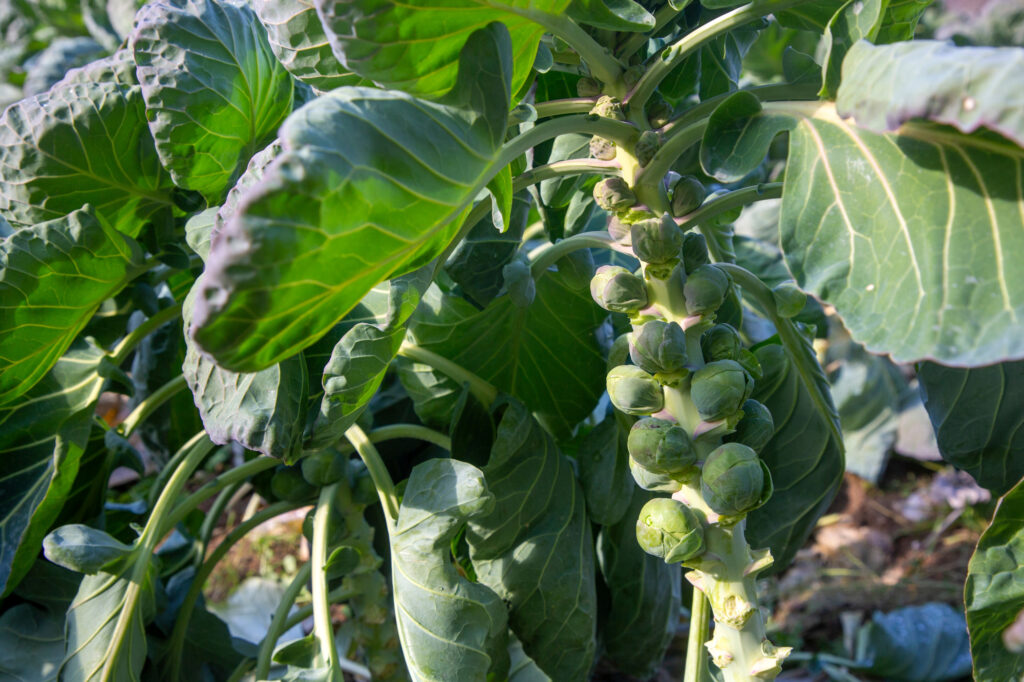
Kale, spinach, carrots, beets, radishes, leeks, Brussels sprouts, and other cool-season vegetables may still be producing in suitable climates.
Some crops tolerate light freezes surprisingly well.
Carrots and certain other root vegetables can even remain in the ground for a period when protected appropriately, although extreme cold eventually limits this option.
Harvest timing should be adjusted for your local temperatures.
Our Vegetable Gardening hub offers more guidance on extending vegetable production through cooler weather.
❄️ Protect Late Vegetables From Frost
Row covers, low tunnels, cold frames, and other season-extension tools can help protect vegetables from light freezes.
A few degrees of protection can significantly extend harvest in autumn.
However, no lightweight cover turns November into summer.
As temperatures continue dropping, growth slows dramatically because plants respond to both temperature and declining day length.
Use season-extension tools to protect cold-tolerant crops rather than trying to keep heat-loving tomatoes and peppers productive indefinitely.
Sometimes the most practical decision is to harvest what remains and allow the season to end.
🍅 Harvest Before a Hard Freeze
Tender summer vegetables should be harvested before freezing conditions arrive.
Tomatoes, peppers, basil, cucumbers, squash, beans, and many other warm-season plants can be severely damaged by frost.
Green tomatoes that have reached an appropriate stage of maturity may continue ripening indoors.
Healthy herbs can be harvested for fresh use, drying, or freezing.
Once tender plants are killed, remove them from the garden, especially if they have disease problems.
Healthy material can often go into the compost pile.
🧄 Check Fall-Planted Garlic
Garlic is often planted during autumn for harvest the following summer.
If you recently planted garlic, make sure the bed remains adequately mulched according to local conditions.
A layer of mulch can help moderate soil temperatures and reduce repeated freezing and thawing.
Do not panic if some shoots emerge during an unusually mild fall.
Garlic is generally capable of tolerating cold conditions when appropriately planted and suited to the region.
For planting guidance, see How to Plant Garlic.
🧅 Plant Garlic If Your Climate Allows It
If you have not yet planted garlic and the soil remains workable, November may still offer an opportunity in some regions.
Separate healthy garlic bulbs into individual cloves shortly before planting.
Plant the cloves with the pointed end upward at the depth appropriate for your climate and conditions.
Choose a sunny location with good drainage.
Garlic planted too late may have less time to establish before winter, so local recommendations should take priority over generic dates.
🌱 Consider Cover Crops
Empty vegetable beds do not have to remain bare all winter.
Depending on your climate and planting date, cover crops can protect soil, reduce erosion, add organic matter, and contribute to soil management.
Common cover-crop choices differ by region and season.
Some are winter-killed naturally, while others survive and must be terminated before spring planting.
Because timing matters, consult local Extension guidance before selecting a cover crop late in the season.
If it is too late to establish one effectively, mulch is still a useful way to protect bare soil.
🍓 Mulch Strawberries After Dormancy
In cold climates, strawberry plants may benefit from winter mulch once they have entered dormancy and temperatures remain consistently cold.
Straw is commonly used for this purpose.
Timing matters.
Applying heavy winter protection too early can keep soil unusually warm and create conditions that are not ideal for natural dormancy.
Wait for appropriate local conditions and use regional recommendations.
For general strawberry care, visit How to Plant Strawberries.
🍇 Check Berries and Fruit Supports
After leaves fall, berry structures become easier to inspect.
Check raspberry and blackberry trellises, wires, posts, and ties for damage.
Repairing supports now—or making a note to handle them before spring growth begins—can prevent a rushed job later.
Do not indiscriminately remove all canes.
Raspberry and blackberry pruning depends on the type of plant and whether individual canes have already fruited.
If you are unsure, visit Growing Raspberries 101 or Growing Blackberries before pruning.
🐇 Protect Young Trees From Animals
Winter can increase feeding pressure from rabbits, voles, deer, and other animals.
Young tree bark is particularly vulnerable.
Appropriate tree guards or fencing can help protect trunks.
Guards should be installed correctly and checked periodically rather than left forgotten for years.
Deer protection may require substantially taller barriers than protection from rodents or rabbits.
Avoid wrapping trunks with materials that trap excessive moisture or create hiding places for pests.
🦌 Prepare for Deer Browsing
As natural food becomes less abundant, deer may browse plants they ignored during summer.
Evergreens, young trees, shrubs, and fruit plants can become particularly attractive.
Physical barriers are often more dependable than odor-based repellents where deer pressure is severe.
If you use repellents, understand that repeated applications may be necessary and effectiveness varies.
Plant selection also matters.
No plant is completely deer-proof when animals are hungry enough, but some species are browsed much less frequently than others.
🐦 Leave Seed Heads for Birds
November is when ornamental seed heads begin showing their value.
Coneflowers, sunflowers, black-eyed Susans, and other plants may provide seeds for birds.
Leaving selected stems standing also gives the winter landscape more structure.
You can always cut them down later in winter or early spring.
This delayed cleanup costs nothing and may support wildlife while reducing autumn chores.
🐝 Protect Overwintering Insects
Many beneficial insects spend winter in leaf litter, hollow stems, bark, soil, and other sheltered locations.
An aggressively cleaned landscape can remove much of that habitat.
Consider leaving some leaves beneath shrubs and some healthy perennial stems standing.
The garden does not have to look neglected.
You can maintain neat paths and visible edges while allowing selected areas to remain more natural.
A deliberate balance often works well for both gardeners and wildlife.
🐛 Inspect Plants Before Bringing Them Indoors
If November is the point when tender container plants finally come inside in your climate, inspect them thoroughly first.
Look beneath leaves, along stems, and around the soil surface for:
- Aphids
- Spider mites
- Mealybugs
- Scale insects
- Whiteflies
- Fungus gnats
- Other hitchhikers
Introducing one infested plant can create problems throughout an indoor collection.
Remove dead leaves and debris and isolate questionable plants when possible.
For indoor-growing guidance, visit Indoor Plants.
🪴 Adjust Houseplant Care for Shorter Days
November brings significantly shorter days across much of North America.
Even plants beside windows may receive much less usable light than they did during summer.
Reduced light often slows plant growth, which means many houseplants also use water more slowly.
Do not keep watering on exactly the same schedule simply because it worked in July.
Check the potting mix first.
Move plants closer to suitable windows when necessary, but avoid cold drafts and direct contact with extremely cold glass.
Grow lights can supplement natural light for plants that otherwise become too dark during winter.
🌿 Bring Tender Herbs Indoors
Some herbs can be brought inside or propagated before outdoor temperatures become too cold.
Rosemary, certain mints, parsley, chives, and other herbs may be candidates depending on the plant and climate.
Indoor conditions are dramatically different from summer outdoors.
Light is usually the biggest challenge.
A bright window may not provide enough energy for sun-loving herbs, so supplemental lighting can be helpful.
Inspect plants for insects before bringing them inside and avoid overwatering once growth slows.
Visit Indoor Herb Gardening for more guidance.
🧰 Clean Your Garden Tools
November is an excellent time to maintain tools that may not be used frequently again until spring.
Remove soil from shovels, trowels, hoes, and garden forks.
Clean pruners and loppers.
Inspect wooden handles for cracks or splinters.
Check screws and fasteners.
Sharp cutting tools make cleaner cuts and require less effort, so sharpen appropriate blades when necessary.
Our Garden Tools & Products hub covers tool selection, maintenance, storage, and other garden equipment.
🚿 Drain Hoses Before Freezing Weather
Water left in hoses and irrigation equipment can freeze and expand.
Before sustained freezing temperatures arrive, disconnect hoses from outdoor faucets, drain them, and store them appropriately.
Drain watering wands, nozzles, and irrigation components according to manufacturer recommendations.
Automatic irrigation systems in cold climates may require additional winterization.
Outdoor faucets may also require protection depending on the plumbing system and regional winter conditions.
Waiting until after the first severe freeze can turn a simple autumn task into an expensive spring repair.
🪣 Empty Containers That Can Crack
Water expands when it freezes.
Containers made from materials vulnerable to freeze damage can crack when water accumulates in them and freezes repeatedly.
Empty unused pots, saucers, watering cans, and decorative containers before severe winter weather.
Some frost-resistant containers can remain outdoors, but others are safer stored under cover.
If perennial plants remain in containers, remember that their roots experience colder conditions than the same plants would in the ground.
Choose appropriately hardy plants or provide protection suitable for your climate.
🚜 Store Garden Equipment Properly
Lawn equipment, wheelbarrows, carts, spreaders, and other tools benefit from being cleaned before storage.
Remove soil and plant debris and allow equipment to dry.
Powered equipment should be winterized according to the manufacturer’s instructions.
Battery-powered tools may have particular battery-storage recommendations.
Store sharp and heavy tools securely.
A little maintenance in November makes spring gardening considerably easier.
🌧️ Clean Gutters and Check Drainage
November leaves do not remain politely inside garden beds.
They accumulate in gutters, drainage channels, storm drains, and other places where they may restrict water flow.
Clear leaves from areas where blocked drainage could damage buildings or cause water to collect.
Observe where autumn rain moves through the property.
Standing water can reveal grading or drainage issues that are much less obvious during dry summer weather.
Make notes now, even if major landscape changes need to wait until another season.
🪵 Refresh Garden Paths
Late fall is a convenient time to refresh some pathways.
Wood-chip paths may need another layer after materials decompose or become thin.
Loose edging can be repaired.
Trip hazards become particularly important where winter snow or shorter daylight hours make them more difficult to see.
Good paths protect garden soil from foot traffic and make wet-season gardening much more pleasant.
🧹 Organize the Shed or Garage
During the busiest months, tools tend to migrate.
November is a good time to collect hand tools, plant supports, irrigation parts, seed trays, pots, labels, and other supplies.
Dispose of broken equipment that cannot reasonably be repaired.
Clean and reuse what remains.
Store chemicals, fertilizers, and pesticides according to their labels and away from children and pets.
A little organization now prevents buying duplicates in spring simply because you cannot find something you already own.
🏷️ Check Plant Labels
Winter can make plant identification difficult once foliage disappears.
Make sure important plants remain labeled.
Fruit-tree cultivar names are especially worth preserving because they affect harvest timing, pollination, disease resistance, and future care.
Berry varieties, unusual perennials, roses, and experimental plants also deserve durable labels.
Back up physical labels with a simple notebook, spreadsheet, or photographs.
Tags have an unfortunate tendency to disappear long before perennial plants do.
📝 Update Your Garden Journal
Before the details of the growing season disappear from memory, write down what happened.
Useful notes include:
- Best vegetable varieties
- Worst performers
- First and last harvest dates
- Major pest problems
- Plant diseases
- Plants that needed too much water
- Flowers that attracted pollinators
- Areas that became overcrowded
- Beds that remained too wet
- Plants you want to move
- Crops you want to grow again
- Crops nobody actually ate
These observations are far more useful than beginning every spring with a blank slate.
📸 Photograph the Garden Before Winter
Take pictures before everything disappears beneath snow, dormancy, or winter cleanup.
Photograph entire beds rather than only individual flowers.
Wide-angle images help you remember plant locations, spacing, structure, and areas that looked empty or overcrowded.
You may notice design problems in photographs that you overlooked while standing in the garden.
Winter planning becomes much easier when you have visual records of what the property actually looked like during the growing season.
🌱 Plan Next Year’s Crop Rotation
Once vegetable beds are cleared, make a map showing what grew where.
Group crops by plant family.
Tomatoes, peppers, potatoes, and eggplants are all members of the nightshade family, for example, so swapping tomatoes for potatoes is not a meaningful rotation.
Rotation can help reduce some recurring pest and disease issues when garden space allows.
Raised beds make this especially easy when you have several separate beds.
Record the layout now rather than trusting yourself to remember it six months later.
🌻 Note Gaps in the Flower Garden
November can reveal parts of the ornamental garden that need more seasonal interest.
Where did everything finish flowering too early?
Which area lacked spring color?
Where could a shrub provide winter structure?
Did one plant dominate its neighbors?
Could more pollinator flowers extend the season?
Write down these observations before seed catalogs and beautiful nursery displays distract you with entirely new ideas.
For inspiration, browse Flower Gardening.
🌳 Evaluate Garden Structure
With leaves disappearing, the bones of the landscape become visible.
Paths, fences, walls, trees, hedges, raised beds, and large shrubs matter far more in winter than they do when surrounded by summer flowers.
Walk through the garden and look at it from windows inside the house as well.
If the landscape looks completely empty once annuals and perennials disappear, you may want more evergreen foliage, ornamental grasses, bark, berries, or woody structure.
You do not need to fix anything immediately.
November observation can guide thoughtful changes next year.
🛒 Resist the Urge to Buy Every Clearance Plant
Late-season nursery sales can offer genuine bargains, but a cheap plant is not a bargain if it is wrong for your garden.
Before buying, ask:
- Is it hardy in my climate?
- Is there enough time for establishment?
- Do I have a suitable location?
- What is its mature size?
- Does it need sun or shade?
- Is it healthy?
- Is it invasive in my region?
A 70%-off shrub planted in the wrong location can become much more expensive once years of pruning or eventual removal are considered.
Buy plants because they fit the garden, not simply because they are inexpensive.
🌨️ Prepare for Snow Without Overreacting
Snow is not always an enemy.
A moderate snow cover can insulate soil and plant crowns against extreme temperature fluctuations.
Problems arise when wet, heavy snow accumulates on vulnerable branches or shrubs.
Avoid aggressively beating snow from plants, which can damage frozen branches.
Gently remove unusually heavy accumulation when necessary.
Ice is more difficult. Trying to break frozen ice from branches often causes more damage than leaving it to melt naturally.
🧂 Protect Plants From Deicing Salt
Salt used on roads and walkways can damage nearby soil and plants.
Whenever practical, avoid piling salt-contaminated snow directly into garden beds.
Use deicing materials thoughtfully near sensitive plants.
Some landscapes experience chronic salt exposure because of road spray, making plant selection especially important along streets and driveways.
In these difficult locations, choose plants known for greater salt tolerance rather than repeatedly replacing sensitive species.
🐦 Provide Clean Water for Birds
Natural water sources can become less available as temperatures fall.
A clean birdbath or other appropriately maintained water source can attract birds even after summer flowers disappear.
In freezing climates, heated birdbaths are available, but equipment should be designed specifically for outdoor use and operated according to manufacturer instructions.
Keep the water source clean.
Wildlife-friendly gardening is most useful when resources are maintained rather than simply installed and forgotten.
🏡 Make a November Garden Checklist
Every garden is different, but a practical November checklist may include:
- Finish selective garden cleanup
- Remove seriously diseased plant material
- Shred or compost leaves
- Protect bare soil
- Plant remaining spring bulbs
- Water newly planted trees and shrubs if conditions are dry
- Harvest remaining vegetables
- Protect cool-season crops from light frost where worthwhile
- Remove dead warm-season vegetables
- Check garlic and other fall plantings
- Protect young trees from animal damage
- Inspect berry and fruit supports
- Clean and sharpen tools
- Drain hoses and irrigation equipment
- Store vulnerable containers
- Update garden records
- Photograph beds
- Label important plants
- Clean gutters and drainage areas
- Review next year’s garden plans
You may need only half of these tasks—or you may have already completed most of them.
Use the list as a reminder rather than a rulebook.
🌎 November Gardening in Mild Climates
In warmer regions, November may feel much more like an active growing season than winter preparation.
Cooler weather can create excellent conditions for planting:
- Lettuce
- Spinach
- Kale
- Broccoli
- Carrots
- Radishes
- Beets
- Peas
- Herbs
- Trees
- Shrubs
- Perennials
Warm-climate gardeners may even find November more pleasant and productive than midsummer.
Adjust irrigation as temperatures cool and continue monitoring pests, which may remain active much longer than they do in northern gardens.
Always use local planting calendars rather than assuming cold-climate November advice applies to your garden.
❄️ November Gardening in Cold Climates
Farther north, November may already resemble winter.
The ground may freeze, snow may accumulate, and outdoor planting may largely end.
Priorities shift toward:
- Protecting vulnerable plants
- Finishing cleanup
- Storing equipment
- Preventing winter animal damage
- Maintaining indoor plants
- Planning next year
- Protecting soil and perennial crowns
- Watching for heavy snow or ice
Once the soil freezes, resist unnecessary digging or disturbance.
There is a point when the best garden task is simply letting dormant plants rest.
🌱 Do Not Try to Finish Everything
November has a way of creating urgency.
The forecast suddenly shows freezing temperatures, leaves cover the lawn again, hoses are still connected, and a bag of bulbs somehow remains beside the garage.
Prioritize what truly matters.
Protect vulnerable plumbing and equipment. Plant bulbs if the ground remains workable. Harvest tender vegetables before a hard freeze. Water newly planted woody plants if soil is dry. Remove serious disease problems.
Everything else can be evaluated individually.
A healthy garden does not depend on accomplishing every possible autumn chore before winter.
🍁 Use November to Prepare for an Easier Spring
Perhaps the best November gardening goal is not to create a perfectly clean landscape.
It is to leave the garden in a condition that makes the next growing season easier.
Label plants.
Record what grew where.
Put tools where you can find them.
Protect soil.
Deal with serious disease problems.
Plant the bulbs you want to see in spring.
Take photographs and write down the improvements you want to make.
Then allow the garden to slow down.
Plants have spent months growing, flowering, producing seeds and fruit, and responding to heat, rain, insects, wind, and gardeners.
Dormancy is part of the cycle.
November gives gardeners permission to slow down too.
There will always be more to do when spring returns.
🔗 Related Articles
- Seasonal Gardening
- Gardening Basics
- Eco-Friendly Gardening
- Vegetable Gardening
- Flower Gardening
- Herbs & Fruit
- Indoor Plants
- Garden Tools & Products
- Raised Bed Gardening for Beginners
- October Gardening: Your Complete Guide to Fall Success
- How to Plant Garlic
- How to Plant Strawberries
- How to Grow a New Rose Garden
- Crocus Care
- Daffodils: Spotlight on This Quintessential Springtime Favorite