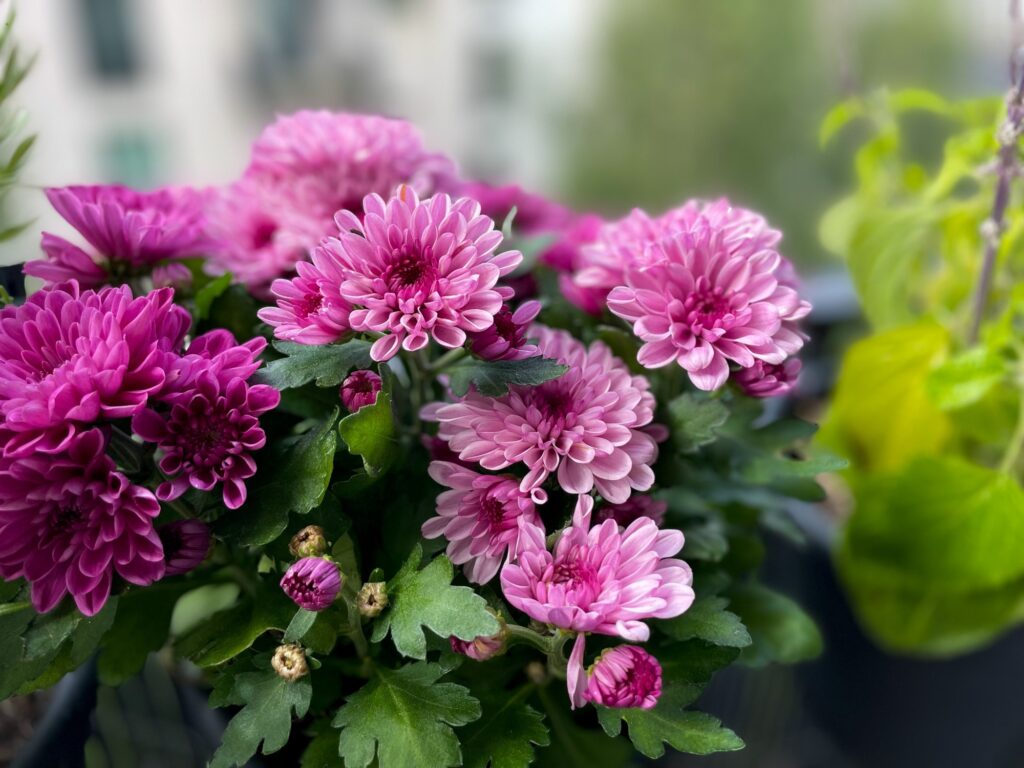
Chrysanthemums, commonly called mums, are classic fall flowers known for their dense blooms in shades of yellow, orange, red, bronze, pink, purple, white, and burgundy. They are especially popular in autumn containers and seasonal displays, but many types can also be grown as long-term garden perennials.
The most commonly cultivated garden chrysanthemums belong to hybrids derived from Chrysanthemum × morifolium. Depending on the variety, chrysanthemums may form compact mounds covered in flowers or grow taller with larger, more dramatic blooms.
Chrysanthemums are not difficult to grow, but they do best when gardeners understand the difference between garden mums and florist mums. Garden mums are bred for outdoor growing and can survive winter in suitable climates, while florist mums are generally less cold hardy and are often treated as temporary indoor or seasonal plants.
With full sun, good drainage, regular watering, and timely pruning, chrysanthemums can produce an impressive fall display year after year.
🌼 Chrysanthemums at a Glance
- Botanical name: Chrysanthemum × morifolium and related hybrids
- Common names: Chrysanthemum, mum, garden mum
- Plant family: Asteraceae
- Plant type: Herbaceous perennial, often grown as an annual
- Mature height: About 1 to 3 feet, depending on variety
- Spread: About 1 to 3 feet
- Sun exposure: Full sun
- Soil: Fertile, well-drained soil
- Bloom time: Late summer through fall
- Flower colors: Yellow, orange, red, pink, purple, bronze, white, and bicolors
- Hardiness: Varies by cultivar, commonly around USDA Zones 5–9
- Water needs: Moderate and consistent
- Wildlife value: Late-season nectar source for some pollinators
☀️ How Much Sun Do Chrysanthemums Need?
Chrysanthemums grow and bloom best in full sun, ideally receiving at least six hours of direct sunlight each day.
Plants grown in strong light generally develop sturdier stems, denser growth, and more flower buds. Mums planted in too much shade may stretch toward the light, become floppy, and produce fewer blooms.
Morning sunlight is particularly useful because it helps dry moisture from the leaves and reduces the risk of fungal problems.
In very hot climates, some light late-afternoon shade may help prevent stress, but too much shade can significantly reduce flowering.
If you are growing chrysanthemums specifically for their fall blooms, choose a location that remains sunny even as the angle of the sun changes later in the season.
🌱 Best Soil for Chrysanthemums
Chrysanthemums prefer fertile soil that holds some moisture but drains well.
A good garden loam enriched with compost is ideal.
The soil should remain evenly moist during active growth without becoming waterlogged.
Poor drainage is one of the biggest threats to overwintering mums. Plants may survive cold temperatures but fail during winter if their crowns sit in saturated soil for long periods.
If your garden has heavy clay, consider improving drainage with organic matter or growing mums in a raised bed.
Avoid low spots where water collects after rain.
💧 How Often Should You Water Chrysanthemums?
Chrysanthemums need more consistent moisture than many drought-tolerant perennials.
Water newly planted mums regularly while roots become established.
During active growth and flowering, check the soil frequently and water whenever the upper inch or so begins to dry.
Garden-grown mums may need deep watering once or twice per week during dry weather, while container plants may need water much more often.
Potted chrysanthemums can dry surprisingly quickly, especially when covered in flowers.
Water deeply enough to moisten the entire root zone, but avoid leaving plants in standing water.
⚠️ Can You Overwater Chrysanthemums?
Yes.
Although mums prefer consistent moisture, constantly saturated soil can damage the roots and crown.
Signs of excessive watering may include:
- Yellowing leaves
- Wilting despite wet soil
- Soft stems
- Root or crown rot
- Reduced growth
- Increased fungal problems
Always check soil moisture before watering.
Container plants should have drainage holes, and decorative pots should be emptied if water collects inside them.
The goal is even moisture, not constantly wet soil.
🌡️ Temperature and Climate
Garden mums are cool-weather performers.
They grow actively through spring and summer, then produce their main flower display as days shorten and temperatures begin to cool.
Many garden cultivars can survive winter in cold climates when planted early enough to establish strong roots and when soil drainage is good.
However, mums purchased in full bloom during autumn often have less time to become established before winter.
This is why mums planted in spring generally have a better chance of surviving than those planted shortly before frost.
Florist mums are usually less winter hardy and are better treated as seasonal indoor plants or temporary outdoor decorations.
🌿 How to Plant Chrysanthemums
The best time to plant perennial garden mums is in spring.
Spring planting gives the root system an entire growing season to become established before winter.
Choose a sunny location with fertile, well-drained soil.
Dig a hole approximately the same depth as the root ball and somewhat wider.
Position the plant so the top of the root ball sits level with the surrounding soil.
Fill around the roots, gently firm the soil, and water thoroughly.
Avoid burying the crown too deeply.
Space plants according to their mature size, usually about 18 to 24 inches apart.
🍂 Can You Plant Fall Mums in the Garden?
Yes, but their survival is less certain than spring-planted mums.
Garden centers often sell chrysanthemums already covered in blooms during September and October.
These plants can be transplanted into the garden, but they may not have enough time to develop a strong root system before freezing temperatures arrive.
If you want the best chance of overwintering a fall mum, plant it as early in autumn as possible, keep it watered, and avoid cutting the foliage down immediately after flowering.
Adding mulch after the ground begins cooling can also help protect the roots.
Even with proper care, some fall-planted mums may not survive winter.
🌸 When Do Chrysanthemums Bloom?
Most garden chrysanthemums bloom from late summer through fall.
Their flowering behavior is influenced by day length.
Chrysanthemums are often described as short-day plants, meaning flower buds begin developing when nights become sufficiently long.
This natural response is what makes mums such dependable fall bloomers.
Commercial growers can manipulate light exposure to produce flowering chrysanthemums at other times of year, which is why blooming mums are sometimes available in spring.
In home gardens, however, the main show usually arrives as summer begins transitioning into autumn.
✂️ Should You Pinch Chrysanthemums?
Pinching is one of the most important techniques for producing full, bushy mums.
When new stems reach about 6 inches tall in spring, pinch or cut off the upper 1 to 2 inches of growth.
Repeat the process every few weeks as the plants grow.
This encourages branching and produces more flowering stems.
Without pinching, garden mums can become tall, loose, and somewhat floppy.
Stop pinching by early to midsummer so plants have enough time to develop flower buds for fall.
A traditional rule is to stop pinching around early July, although timing varies somewhat by climate.
✂️ Should You Deadhead Chrysanthemums?
Deadheading can improve the appearance of mums and extend the flowering display.
Remove individual faded flowers or cut back entire flower clusters once they become brown and unattractive.
During peak flowering, deadheading prevents the plant from looking tired and encourages remaining buds to open cleanly.
Toward the end of the season, deadheading becomes less important.
If you are growing mums as perennials, leaving some stems standing through winter may help protect the crown.
🌾 Do Chrysanthemums Need Fertilizer?
Chrysanthemums are relatively heavy feeders compared with many low-maintenance perennials.
Plants growing in garden beds benefit from compost or a balanced fertilizer in spring as new growth begins.
Additional light feeding may be helpful during early summer, particularly in poor soil.
Avoid heavy fertilizer applications late in the season.
Too much nitrogen encourages soft, leafy growth and can delay flowering.
Once flower buds begin forming, reduce or stop high-nitrogen feeding.
Container-grown mums may need more frequent fertilizer because nutrients leach from the potting mixture during watering.
🍂 Should You Mulch Chrysanthemums?
Mulch can help mums in several ways.
During the growing season, a light layer helps conserve soil moisture and reduce weed growth.
During winter, mulch can protect perennial mums from repeated freezing and thawing.
After the ground begins to cool in late fall, apply several inches of loose mulch around established garden mums.
Suitable materials include:
- Shredded leaves
- Straw
- Pine needles
- Loose bark mulch
Avoid piling heavy mulch directly over wet crowns.
The goal is to moderate soil temperature rather than trap excessive moisture around the plant.
🌿 Garden Mums vs. Florist Mums
Not all chrysanthemums sold in stores are equally suitable for outdoor perennial gardening.
🌼 Garden Mums
Garden mums are bred for outdoor performance and improved cold tolerance.
They generally develop spreading root systems and can return year after year in appropriate climates.
These are the best choice if you want a chrysanthemum to become a permanent part of your garden.
💐 Florist Mums
Florist mums are typically bred for large flowers and indoor display rather than winter survival.
They are frequently sold in pots as gifts or seasonal decorations.
Although florist mums can sometimes be planted outdoors after flowering, they are generally less reliable as perennials.
If the label does not clearly indicate that a chrysanthemum is a hardy garden mum, assume it may be intended primarily as a temporary decorative plant.
🪴 Growing Chrysanthemums in Containers
Chrysanthemums make excellent container plants.
Their compact shape and heavy flowering make them especially popular for autumn porches, patios, and entryways.
Choose a pot with drainage holes and use a high-quality potting mix.
Container-grown mums require particularly close attention to water.
Large flowering plants can dry out quickly, especially on sunny or windy days.
Check the soil daily during warm fall weather.
If the upper inch feels dry, water thoroughly until excess water drains from the bottom.
Do not allow containers to remain in standing water.
🌼 How to Keep Potted Mums Blooming Longer
A few simple practices can extend the display of container-grown mums.
Choose plants that still have plenty of unopened buds when purchasing them.
A mum already covered entirely in open flowers may be beautiful immediately, but its remaining flowering period will be shorter.
Keep plants well watered and protect them from extreme heat.
Placing containers where they receive morning sun and some protection from intense late-afternoon heat can sometimes prolong bloom quality.
Regularly remove fading flowers to maintain a neat appearance.
🦋 Do Chrysanthemums Attract Pollinators?
Some chrysanthemums provide nectar and pollen for bees and other insects late in the season.
However, their value varies significantly among cultivars.
Single-flowered and more open forms are generally easier for pollinators to use than densely doubled decorative varieties.
For stronger wildlife value, combine chrysanthemums with late-season native plants such as asters, goldenrod, and other accessible flowers.
Garden mums can still provide useful autumn color while native companions supply additional resources for insects.
🌿 Best Companion Plants for Chrysanthemums
Chrysanthemums pair beautifully with other late-summer and fall-flowering plants.
Good companions include:
- Gaillardia
- Salvia
- Coreopsis
- Yarrow
- Coneflower
- Shasta Daisy
- Cosmos
- Geranium
- Asters
- Goldenrod
- Sedum
- Ornamental grasses
- Black-eyed Susans
Mums are particularly attractive when paired with ornamental grasses that provide contrasting texture.
Purple asters, goldenrod, and bronze or yellow chrysanthemums can also create a classic autumn color palette.
🔄 Dividing Chrysanthemums
Garden mums can gradually form crowded clumps.
Dividing them every few years can improve plant vigor and provide new plants for other parts of the garden.
Spring is generally the best time for division.
Wait until new shoots appear, then carefully dig up the clump.
Separate the root system into smaller sections, making sure each division contains healthy roots and several shoots.
Replant immediately at the same depth and water thoroughly.
Young outer portions of the clump are usually more vigorous than older woody centers.
✂️ Propagating Chrysanthemums From Cuttings
Mums are relatively easy to propagate from stem cuttings.
In spring or early summer, cut a healthy nonflowering stem several inches long.
Remove the lower leaves and insert the cutting into moist, well-draining rooting medium.
Keep it in bright indirect light and maintain gentle moisture while roots form.
Once the cutting begins producing strong new growth, gradually move it into a larger container or garden bed.
Taking cuttings is an inexpensive way to increase a favorite cultivar.
❄️ How to Overwinter Chrysanthemums
Garden mums have the best chance of surviving winter when planted early, grown in well-drained soil, and allowed to retain some stem growth through the cold months.
After frost kills the flowers and foliage, avoid immediately cutting the plant all the way to the ground.
Leaving several inches of stems can help trap insulating mulch and provide some protection to the crown.
Apply winter mulch after the ground has cooled.
In spring, remove excess mulch gradually and cut away old dead stems as new growth appears.
Container-grown mums need additional protection because roots in pots are more exposed to freezing temperatures.
🪴 Overwintering Mums in Pots
Potted mums are more vulnerable to winter cold than plants in the ground.
If you want to save them, move the containers to a protected but cold location such as an unheated garage, shed, or sheltered porch.
Allow plants to go dormant naturally.
Water sparingly during winter, giving just enough moisture to prevent the root ball from becoming completely dry for months.
Do not keep dormant plants constantly wet.
When temperatures moderate in spring, gradually return pots to brighter conditions and resume normal watering as new growth appears.
🐛 Common Chrysanthemum Pests
Chrysanthemums can attract several common garden pests.
Possible problems include:
- Aphids
- Spider mites
- Thrips
- Leaf miners
- Leafhoppers
Regular inspection makes most infestations easier to manage.
Check the undersides of leaves and developing flower buds.
Aphids may often be dislodged with a strong stream of water.
Spider mites are especially likely during hot, dry weather and may produce fine webbing and speckled foliage.
Avoid unnecessary broad-spectrum insecticide use, particularly when plants are flowering and pollinators are active.
🍄 Common Chrysanthemum Diseases
Chrysanthemums can experience fungal and bacterial problems, particularly when foliage remains wet and plants are crowded.
Potential problems include:
- Powdery mildew
- Leaf spots
- Botrytis
- Root rot
- Crown rot
- Rust
- Bacterial leaf diseases
Good spacing is one of the easiest forms of disease prevention.
Allow air to circulate freely around plants and water near the soil rather than soaking foliage whenever possible.
Remove diseased leaves rather than allowing them to remain around the base of the plant.
Good drainage also helps prevent root and crown diseases.
❓ Why Isn’t My Chrysanthemum Blooming?
Several factors can prevent mums from flowering properly.
Too Much Shade
Chrysanthemums need plenty of direct sunlight to develop strong growth and abundant flower buds.
Pinching Too Late
If plants are pinched late in summer, developing flower buds may be removed.
Artificial Light at Night
Because chrysanthemums respond to long nights, outdoor lighting can sometimes interfere with normal bud development.
Strong porch lights or security lights shining directly on plants may disrupt their flowering cycle.
Too Much Nitrogen
Heavy nitrogen fertilizer can encourage foliage at the expense of blooms.
If plants appear healthy but remain leafy, reduce fertilizer and make sure they receive sufficient sunlight and natural darkness at night.
❓ Why Are My Chrysanthemum Leaves Turning Yellow?
Yellow foliage can result from several causes.
Overwatering and poor drainage are common possibilities.
Check the soil before adding more water.
Plants growing in containers may also develop yellow leaves when roots become crowded or nutrients become depleted.
A few yellow lower leaves are normal as older foliage ages.
Widespread yellowing accompanied by wilting or stem deterioration may indicate root problems.
❓ Why Are My Mums Wilting?
Wilting mums are frequently thirsty, particularly when growing in containers.
A pot covered in flowers can use a surprising amount of water.
Check the soil immediately.
If it is dry, water deeply and allow excess water to drain.
However, mums can also wilt in constantly wet soil if damaged roots are unable to absorb water.
If the soil is already saturated, do not automatically add more.
Inspect drainage and root health instead.
❓ Why Are My Mums Turning Brown?
Individual flowers naturally turn brown as they age.
Removing faded blooms keeps the plant looking fresh.
If entire sections of the plant are turning brown prematurely, check for drought stress, root problems, disease, or frost damage.
Container mums can dry so quickly that flowers wilt and brown before gardeners realize the soil has become completely dry.
Regular soil checks are especially important during warm, sunny autumn weather.
❓ Why Didn’t My Mums Come Back?
Winter survival depends on several factors.
Fall-planted mums may simply not have had enough time to establish roots before freezing temperatures arrived.
Wet winter soil is another common cause of failure.
The plant may also have been a florist mum rather than a cold-hardy garden cultivar.
For the best chance of perennial growth, select hardy garden mums, plant them in spring, provide excellent drainage, and protect established plants with winter mulch.
🏡 Where to Plant Chrysanthemums
Mums can be used throughout the landscape.
Good locations include:
- Sunny flower borders
- Cottage gardens
- Fall gardens
- Pollinator gardens
- Patio containers
- Porch planters
- Cutting gardens
- Mixed perennial beds
- Entryway displays
- Mass plantings
Their late flowering period makes chrysanthemums particularly valuable in areas where earlier perennials have begun fading.
Planting them among spring- and summer-blooming perennials keeps the same bed colorful across multiple seasons.
💐 Are Chrysanthemums Good Cut Flowers?
Yes.
Chrysanthemums are among the most useful cut flowers because their blooms can last well in arrangements.
Cut stems when flowers are beginning to open and immediately place them in clean water.
Remove leaves that would remain below the waterline.
Both spray mums and larger decorative types work well in bouquets.
Their long vase life is one reason chrysanthemums are widely used by professional florists.
🐾 Are Chrysanthemums Toxic to Pets?
Chrysanthemums can be toxic to dogs and cats if eaten.
The plants contain compounds including pyrethrins and other substances that may cause gastrointestinal or neurological symptoms depending on the amount consumed.
Signs can include drooling, vomiting, diarrhea, loss of coordination, or skin irritation.
Keep mums out of reach of pets that chew plants.
If you suspect a pet has eaten chrysanthemum material and is showing symptoms, contact a veterinarian or animal poison-control service.
🌱 Are Chrysanthemums Easy to Grow?
Chrysanthemums are relatively easy to grow once their seasonal needs are understood.
Their most important care requirements are:
- Provide full sun.
- Use fertile, well-drained soil.
- Keep plants consistently but not excessively moist.
- Pinch young growth during spring and early summer.
- Stop pinching early enough for flower buds to develop.
- Deadhead fading blooms.
- Protect perennial garden mums from winter moisture.
- Plant hardy mums in spring for the best chance of overwintering.
Most gardeners who struggle with mums are dealing with one of two issues: fall-planted plants that never established strong roots or soil that remained excessively wet during winter.
🌼 Final Thoughts
Chrysanthemums are much more than temporary porch decorations. When the right varieties are planted under suitable conditions, garden mums can become dependable perennials that bring rich color to the landscape just as many summer flowers begin fading.
For the strongest plants, start with hardy garden mums and plant them in spring whenever possible. Give them full sun, good drainage, consistent summer moisture, and regular pinching during early growth. As fall approaches, allow the flower buds to develop and enjoy the dense display of colorful blooms.
Whether grown in perennial borders, containers, cutting gardens, or autumn displays, chrysanthemums remain one of the most recognizable and versatile flowers of the fall garden.
🔗 Related Articles
- Geranium Care
- Cosmos Care
- Gaillardia Care
- Salvia Care
- Coreopsis Care
- Yarrow Care
- Coneflower Care
- Shasta Daisy Care
- Marigold Care
- Zinnia Care