Few gardening experiences are as satisfying as walking outside and picking something you grew yourself. A handful of sweet peas, a basket of tomatoes, freshly dug potatoes, crisp carrots, or a few spinach leaves for dinner can turn an ordinary backyard garden into something genuinely useful.
Vegetable gardening can also be surprisingly flexible. You do not need a large traditional garden to grow food successfully. Vegetables can be grown in raised beds, containers, small backyard plots, community gardens, and even alongside ornamental plants when space is limited.
The key is learning what each crop needs and matching those needs to your climate, available sunlight, soil, and growing season. Whether you are planting your first packet of radish seeds or planning a garden that will provide vegetables from spring through fall, the guides on Life Is Better in the Garden can help you get started.
🌱 Start With a Simple Vegetable Garden
Beginning gardeners are often tempted to grow everything at once. A smaller garden filled with vegetables you genuinely enjoy eating is usually a better place to start.
Think about how much space you have, how much sunlight reaches it, and how much time you want to spend maintaining the garden. Tomatoes, lettuce, radishes, peas, beans, carrots, herbs, and leafy greens can provide plenty of variety without requiring an enormous plot.
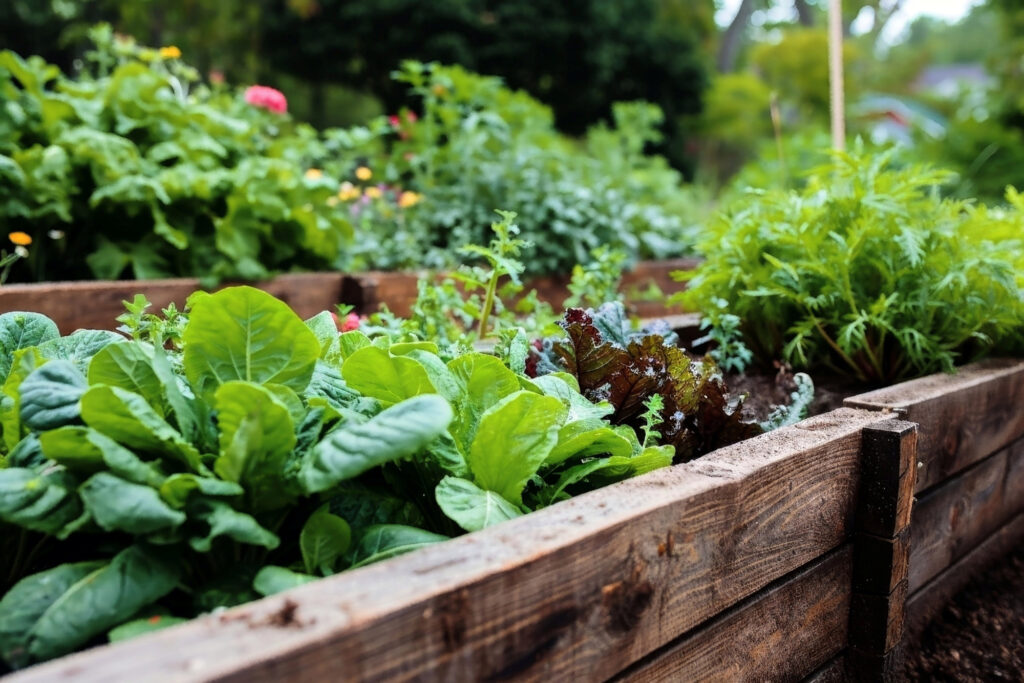
If you have difficult native soil or simply want a more manageable growing area, our Raised Bed Gardening for Beginners guide is an excellent place to begin. Raised beds can make it easier to control soil conditions, drainage, spacing, and weeds while keeping vegetables within comfortable reach.
Start at a scale you can maintain. You can always add another bed or container next season.
☀️ Choose a Sunny Location
Sunlight is one of the most important considerations when deciding where to place a vegetable garden.
Many fruiting crops, including tomatoes, peppers, cucumbers, squash, melons, and corn, perform best with plenty of direct sun. A location receiving at least six hours of direct sunlight is generally desirable, and eight or more hours can be even better for many sun-loving vegetables.
Leafy and root vegetables such as spinach, kale, carrots, beets, and radishes may tolerate somewhat less light, although good sunlight still encourages healthy growth.
Spend a day observing your proposed garden area before planting. Buildings, fences, and trees can cast substantial shadows as the sun moves across the sky.
Also consider convenience. A garden located close to the house and an available water source is often easier to care for consistently than one tucked into a distant corner of the property.
🌎 Build Healthy Garden Soil
Productive vegetable gardens begin with healthy soil.
Vegetables need soil that provides both moisture and oxygen to their roots. Soil that remains waterlogged can cause root problems, while extremely sandy soil may dry so rapidly that plants struggle during warm weather.
Adding finished compost can improve many soils by increasing organic matter and improving soil structure. Rather than adding fertilizer simply because it seems like something a garden needs, consider having the soil tested. A soil test can provide information about pH and nutrient levels and help you determine what amendments are actually necessary.
Different vegetables have somewhat different preferences, so there is no single soil recipe appropriate for every situation.
Raised beds offer another option when existing soil is particularly difficult. They can be filled with a suitable growing mix and are especially useful in areas with heavy clay, poor drainage, or limited usable gardening space.
🗓️ Know Your Growing Season
One of the biggest vegetable-gardening mistakes is planting the right vegetable at the wrong time.
Vegetables can generally be divided into cool-season and warm-season crops. Cool-season vegetables often perform best during the milder temperatures of spring and fall, while warm-season crops need warmer soil and air temperatures and can be damaged by frost.
Peas, spinach, kale, carrots, beets, onions, and radishes are examples of crops commonly associated with cooler growing conditions. Tomatoes, sweet potatoes, corn, cucumbers, peppers, beans, squash, and melons generally belong to the warm-season garden.
Exact planting dates vary substantially by location. Instead of following a national calendar blindly, learn your area’s average frost dates and consult your local Cooperative Extension planting recommendations.
With careful planning, many gardeners can grow more than one crop in the same garden space during a single year.
🌿 Seeds or Transplants?
Some vegetables are usually easiest to plant directly from seed, while others benefit from being started indoors or purchased as young transplants.
Carrots, radishes, peas, corn, and many beans are commonly direct-sown into the garden. Root vegetables in particular usually do not benefit from unnecessary transplanting because disturbing their roots can affect development.
Tomatoes are different. In many climates, gardeners start them indoors several weeks before outdoor planting time so the plants have a head start on the growing season. Our guide to When to Start Tomato Seeds Indoors explains the process in more detail.
Whether you use seeds or transplants, pay attention to planting depth, spacing, and timing. A seed packet contains valuable information specific to that crop and variety.
🍅 Growing Tomatoes
For many gardeners, tomatoes are the crop that makes vegetable gardening irresistible. Few things compare with a ripe tomato picked from the vine on a warm summer day.
Tomatoes thrive in sunny locations with fertile, well-drained soil and consistent moisture. They are available in an enormous range of sizes, colors, flavors, and growth habits.
Determinate tomato plants tend to reach a more limited size and produce much of their crop within a shorter period. Indeterminate varieties continue growing and producing through the season until weather or disease ends their growth.
Most tomato plants benefit from support in the form of cages, stakes, or trellises. Giving plants adequate room also improves airflow and makes harvesting easier.
Our How to Plant Tomatoes guide covers choosing varieties, preparing the soil, planting seedlings, watering, supporting plants, and growing tomatoes in containers.
Tomatoes deserve a prominent place in this hub because they are one of the most versatile vegetables—or botanically, fruits—that home gardeners can grow.
🥕 Grow Root Vegetables
Root crops can turn an ordinary patch of soil into a hidden harvest.
Carrots, radishes, beets, potatoes, sweet potatoes, onions, and garlic all produce edible portions underground, although botanically they represent several different types of plant structures.
Carrots perform especially well in loose soil without large stones or compacted clumps that may interfere with root growth. Our Growing Carrots: A Comprehensive Guide covers planting, thinning, watering, and harvesting this garden favorite.
For a faster harvest, try Growing Radishes. Many radish varieties mature quickly enough to make them particularly rewarding for beginning gardeners.
Beets provide both edible roots and edible greens. Learn more in our Essential Tips for Growing Beets.
Loose, well-prepared soil and consistent moisture are particularly important when growing root crops.
🥔 Potatoes and Sweet Potatoes
Despite their similar names, potatoes and sweet potatoes are very different plants.
Potatoes prefer relatively cool growing conditions and develop underground tubers along their stems. They are often planted from certified seed potatoes rather than from true botanical seed.
Our How to Plant Potatoes guide walks through choosing seed potatoes, planting, caring for the crop, and harvesting.
Sweet potatoes are warm-season plants with long vines and need a considerably longer stretch of warm weather. They are normally grown from young shoots called slips.
Read How to Plant Sweet Potatoes if you want to add this heat-loving crop to your garden.
Both crops can produce impressive harvests from relatively modest garden space when conditions are right.
🧅 Onions and Garlic
Onions and garlic are staple crops that reward a little patience.
Onions may be grown from seed, young transplants, or small bulbs known as sets. Choosing an onion adapted to your region’s day length is important because bulb formation is strongly influenced by the number of daylight hours.
Our How to Plant Onions guide provides a starting point for planning an onion crop.
Garlic is commonly planted as individual cloves. In many regions it is planted in fall, remains in the ground through winter, and resumes vigorous growth the following spring.
Learn more in How to Plant Garlic.
Because properly cured onions and garlic can be stored after harvest, they are particularly satisfying crops for gardeners interested in producing food that lasts beyond the growing season.
🥬 Grow Leafy Greens
Leafy vegetables offer some of the fastest and most productive harvests available to home gardeners.
Spinach and kale can thrive during portions of the year when heat-loving vegetables are still waiting for warmer weather. Rather than dedicating garden space only to summer vegetables, cool-season greens can help you extend the productive season.
Our Essential Tips to Growing Kale in Your Garden covers growing kale in garden beds and other settings.
You can also explore Growing and Harvesting Spinach for another cool-season option.
Leafy greens can often be harvested a little at a time, allowing you to take outer leaves while the plant continues growing. This makes them particularly useful in small gardens where every square foot matters.
🫛 Grow Peas in the Cool Season
Peas are a wonderful crop for the transition between winter and warm-weather gardening.
They generally prefer cool conditions and are often planted early enough that they can produce before intense summer heat arrives. Many varieties benefit from a trellis, netting, or another support that allows the vines to climb.
Our Growing Peas: A Comprehensive Guide for Gardeners covers planting, watering, support, and harvesting.
Once peas finish producing, their garden space can often be reused for a warm-season crop, making them particularly useful in succession planting.
🌽 Growing Corn at Home
Corn is a classic summer vegetable, but it requires more space than many backyard crops.
Because corn is largely wind-pollinated, home gardeners generally achieve better pollination by growing it in a block of several short rows rather than planting one long, isolated row. Good pollination is important for developing full ears.
Corn is also a relatively heavy feeder and benefits from fertile soil and adequate moisture, particularly during important stages of development.
Our How to Plant Corn guide covers site preparation, planting, spacing, watering, fertilizing, and harvesting.
If your garden is small, you may decide that tomatoes, greens, beans, or root vegetables provide more food per square foot. If you have the space, however, freshly harvested sweet corn can be a rewarding summer crop.
🪴 Vegetable Gardening in Raised Beds
Raised beds are one of the easiest ways to create a productive vegetable garden when existing soil is poor or space needs to be carefully organized.
A bed should generally be narrow enough that you can reach its center without stepping onto the growing soil. Keeping feet out of the bed helps avoid unnecessary soil compaction.
Raised beds also make it easier to create distinct growing areas for different crops and to practice succession planting. Early peas, spinach, and radishes can be followed by summer crops, and some summer vegetables can later make room for fall greens.
The main consideration is moisture. Raised beds can drain and dry more quickly than surrounding ground, particularly during hot, windy weather.
For a complete introduction, visit Raised Bed Gardening for Beginners.
🪴 Growing Vegetables in Containers
A lack of backyard space does not have to prevent you from growing vegetables.
Tomatoes, peppers, lettuce, radishes, carrots, herbs, bush beans, and many other crops can be grown successfully in appropriately sized containers.
The container must provide adequate room for the plant’s mature root system and should always have drainage holes. Use a growing medium formulated for containers rather than filling pots with heavy garden soil.
Container plants usually require closer attention to watering because the smaller volume of soil can dry rapidly during warm weather. Large vegetables such as tomatoes may need especially generous containers and sturdy supports.
For patios, decks, balconies, and small yards, a few carefully selected containers can produce an impressive amount of food.
💧 Water Your Vegetable Garden Consistently
Vegetables need adequate water to develop tender leaves, full roots, and healthy fruits.
Instead of applying a light sprinkling every day, aim to moisten the root zone thoroughly when watering is needed. Actual watering frequency depends on rainfall, soil type, temperature, wind, crop, and stage of growth.
Whenever practical, direct water toward the soil rather than routinely wetting foliage. Drip irrigation and soaker hoses can be useful because they deliver moisture close to plant roots.
Mulching with appropriate organic material can help slow evaporation, moderate soil temperatures, and reduce weed growth.
Consistency is particularly important for fruiting crops. Dramatic swings between very dry and very wet conditions can contribute to problems in vegetables such as tomatoes.
🌾 Make the Most of Your Space With Succession Planting
A productive vegetable garden does not have to be planted once in spring and abandoned after summer.
Succession planting means replacing one harvested crop with another or sowing smaller batches of quick-growing vegetables at intervals rather than planting everything at once.
For example, early peas might occupy a trellis before a summer crop takes over the space. Radishes can mature while slower vegetables are still developing. Spinach or kale may return to a bed once hot-weather crops finish.
Gardeners can also sow small amounts of fast-growing crops such as radishes and salad greens repeatedly so they do not all mature on the same day.
Thinking of garden beds as spaces that change through the seasons can dramatically increase their productivity.
🔄 Rotate Vegetable Crops When Possible
Growing exactly the same crop in exactly the same location year after year can allow certain soilborne diseases and pests to become more troublesome.
Crop rotation means moving related plant groups to different areas over time when garden size permits.
Tomatoes, peppers, potatoes, and eggplants belong to the same plant family, for example, so merely replacing tomatoes with potatoes is not a meaningful rotation.
Rotation is more difficult in small gardens, but even modest changes can be worthwhile. Keeping simple notes or drawing a garden map each year makes it much easier to remember what grew where.
Rotation is only one part of disease management, but it can be a useful preventive practice when combined with healthy soil, good sanitation, proper spacing, and suitable varieties.
🐛 Watch for Pests and Diseases
A vegetable garden is a living ecosystem, so insects and occasional plant problems are inevitable.
Inspect plants regularly rather than waiting until damage becomes severe. Look beneath leaves, check new growth, and notice changes in color, texture, or vigor.
Not every insect is a pest. Gardens also contain pollinators, predators, parasitoids, and other beneficial organisms. Identifying the problem before choosing a treatment helps avoid unnecessary pesticide use.
Healthy plants growing under suitable conditions are generally better able to withstand minor damage. Good spacing, crop rotation, sanitation, careful watering, and resistant varieties can prevent many problems before treatment becomes necessary.
When you encounter a problem you cannot identify, your local Cooperative Extension office can be an excellent source of region-specific help.
🌿 Control Weeds Before They Take Over
Weeds compete with vegetables for light, moisture, nutrients, and space.
Young weeds are far easier to remove than mature plants that have already developed extensive root systems or produced seeds. Regularly walking through the garden and pulling a few weeds can prevent the task from turning into an overwhelming project.
Mulch can also reduce weed germination while conserving soil moisture.
Take care when cultivating close to shallow-rooted vegetables. Aggressive hoeing can damage crop roots along with the weeds you are trying to remove.
The goal does not need to be a garden completely devoid of every unwanted plant. Concentrate on preventing weeds from competing heavily with vegetables and producing another generation of seeds.
✂️ Harvest Often
Harvesting is not simply the reward at the end of vegetable gardening—it is part of maintaining the garden.
Peas, beans, cucumbers, summer squash, leafy greens, and many other vegetables often benefit from frequent harvesting. Leaving mature produce on plants can slow continued production in some crops.
Other vegetables require more patience. Garlic and onions need time to develop mature bulbs, potatoes need time to form underground tubers, and sweet potatoes require a long warm growing season.
Learn the signs of maturity for each crop rather than relying only on the number of days that have passed.
And enjoy vegetables while they are genuinely fresh. One of the greatest advantages of a home garden is the ability to harvest food minutes before it reaches the kitchen.
🍂 Keep Gardening Into Fall
The arrival of late summer does not necessarily mean vegetable gardening is finished.
Cool-season crops can give the garden a second life as temperatures begin to fall. Depending on climate and planting dates, spinach, kale, peas, radishes, carrots, beets, lettuce, and other crops may be suitable for fall production.
Our guide to Top 5 Veggies for Your Winter Garden provides additional ideas for keeping productive plants in the garden as the seasons change.
Gardeners in mild climates may be able to grow vegetables through much of winter, while colder regions can sometimes extend the season with row covers, cold frames, or other protection.
Your local climate ultimately determines what is possible.
📝 Keep a Garden Journal
One of the best ways to become a better vegetable gardener is to record what actually happens in your own garden.
Write down when you sow seeds, when plants emerge, when vegetables begin producing, and when the first and last harvests occur. Record unusually hot or cold weather, varieties that performed exceptionally well, and problems you want to avoid next season.
Photographs can be useful as well.
After a few years, your own garden records become a highly personalized growing guide. You may discover that one tomato consistently performs better than another, that peas planted during a certain week produce especially well, or that one corner of the garden stays too wet for root vegetables.
Gardening advice provides a starting point, but observation teaches you how plants behave in your particular garden.
🥗 Grow What You Actually Want to Eat
It is easy to become distracted by seed catalogs and grow vegetables simply because they look interesting.
Experimenting is part of the fun, but the most productive garden is usually filled primarily with food you and your household genuinely enjoy.
If your family eats tomatoes almost every day in summer, give tomatoes plenty of room. If you love roasted carrots, grow several sowings. If nobody wants beets, you do not need to devote an entire bed to them simply because they are easy to grow.
Also consider crops that are expensive, difficult to find locally, or noticeably better when freshly harvested.
A vegetable garden should fit your kitchen as well as your yard.
🌻 Enjoy the Process From Seed to Harvest
Vegetable gardening rarely goes perfectly. Seeds sometimes fail to germinate, insects discover plants before you do, storms flatten seedlings, and occasionally a carefully tended crop produces very little.
Those setbacks are part of gardening rather than evidence that you are bad at it.
Start with a few crops, observe what happens, and make adjustments each season. As your experience grows, you can experiment with succession planting, raised beds, unusual varieties, season extension, composting, and more intensive garden layouts.
Eventually, a vegetable garden becomes more than a place where food grows. It becomes a changing seasonal space that connects planting in spring with harvesting in summer, preserving in fall, and planning all over again in winter.
And few meals taste quite as satisfying as one that includes something you grew yourself.
🔗 Vegetable Gardening Guides
- Raised Bed Gardening for Beginners
- How to Plant Tomatoes
- When to Start Tomato Seeds Indoors
- How to Plant Potatoes
- How to Plant Sweet Potatoes
- How to Plant Onions
- How to Plant Garlic
- Growing Carrots: A Comprehensive Guide
- Strategies for Successfully Growing Radishes
- Essential Tips for Growing Beets
- Essential Tips to Growing Kale in Your Garden
- Growing and Harvesting Spinach
- Growing Peas: A Comprehensive Guide for Gardeners
- How to Plant Corn
- Top 5 Veggies for Your Winter Garden