Tag: Dividing Perennials

How to Divide Hostas: A Step-by-Step Guide

Hostas are among the most dependable plants for shady gardens. Their lush foliage, attractive colors, and graceful mounding growth make them wonderful additions to flower beds, woodland gardens, and borders. Over time, however, a small hosta can develop into an impressive clump that takes up considerably more space than it once did. If your hostas …
Continue reading

How to Divide Daylilies: A Step-by-Step Guide

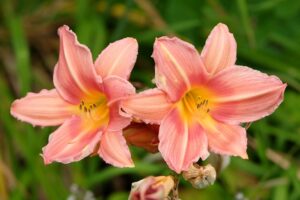
Daylilies are some of the easiest and most dependable perennial flowers to grow. Their colorful blooms, attractive arching foliage, and ability to thrive in a wide range of garden conditions make them popular choices for borders, flower beds, and landscaping. Once established, daylilies often grow vigorously, gradually forming large clumps that produce dozens of flowers …

Continue reading

How to Divide Ornamental Grasses

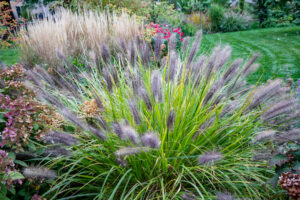
Ornamental grasses bring movement, texture, and year-round interest to the garden. Their graceful foliage, feathery seed heads, and attractive shapes make them beautiful additions to flower beds, borders, and naturalistic landscapes. Many varieties are also wonderfully low-maintenance, returning year after year with very little attention. However, as ornamental grasses mature, some develop large, crowded clumps …

Continue reading

How to Divide Garden Phlox: A Step-by-Step Guide

Garden phlox is one of the most beautiful summer-blooming perennials, producing large clusters of colorful flowers that attract butterflies, hummingbirds, and other pollinators. With its upright stems and generous blooms, it makes a wonderful addition to perennial borders and cottage gardens. As garden phlox matures, however, its clumps can become crowded. Older plants may develop …

Continue reading

When Is the Best Time to Divide Perennials?

Perennials are among the most rewarding plants to grow in a garden. They return year after year, often becoming larger and more beautiful with each growing season. However, as perennial plants mature, some eventually become overcrowded, produce fewer flowers, or develop bare patches in the center. Dividing these plants can help restore their vigor while …

Continue reading