Growing herbs and fruit brings together some of the most rewarding parts of gardening. Herbs can provide fresh flavor only steps from the kitchen, while strawberries, raspberries, blackberries, apples, pears, and plums can turn part of the yard into an edible landscape that produces for years.
You do not need a large property to begin. Herbs can thrive in raised beds, containers, window boxes, and sunny corners of existing vegetable gardens. Strawberries can fit along bed edges or in dedicated patches, while raspberries and blackberries can make productive use of fences and boundaries. Even fruit trees can work in relatively modest landscapes when varieties and rootstocks are chosen carefully.
The most important step is matching the plant to your climate, sunlight, soil, and available space. Some herbs can be planted and harvested within a single growing season, while a fruit tree represents a much longer-term investment. Both become easier when you understand what the plant needs before putting it in the ground.
🌿 Start With Herbs You Actually Use
An herb garden does not need to contain dozens of different plants.
Begin with herbs you regularly use in the kitchen or genuinely enjoy growing. Basil, parsley, dill, chives, thyme, rosemary, oregano, mint, sage, and cilantro are familiar choices, but their growing requirements are not identical.
Some herbs are annuals that complete their life cycle within one season. Others are biennials or perennials that may return for several years when suited to the local climate.
Dill, for example, is commonly grown as an annual and can be planted repeatedly for fresh leaves throughout the season. Our Ultimate Guide to Growing Dill: From Garden to Kitchen explains how to plant, care for, harvest, and use this distinctive herb.
Perennial herbs can become more permanent features of the garden. Thyme, oregano, sage, chives, mint, and lavender may return year after year in suitable climates, although winter hardiness varies considerably between species and varieties.
Start with a handful of favorites and learn how they behave in your garden before expanding the collection.
☀️ Give Most Culinary Herbs Plenty of Light
Many popular culinary herbs perform best in sunny locations.
Basil, thyme, rosemary, oregano, sage, lavender, and dill generally appreciate plenty of direct sunlight. Strong light often helps herbs develop sturdy growth and the fragrance and flavor gardeners expect from them.
That does not mean every herb requires exactly the same conditions. Parsley and chives can tolerate somewhat different situations, and intense afternoon sun in very hot climates may create challenges that gardeners in cooler regions do not encounter.
Observe your garden before planting.
A sunny area near the kitchen can be particularly convenient because herbs are much more likely to be harvested regularly when they are easy to reach.
For gardeners without outdoor space, many herbs can also be grown inside if adequate light is available. Our Indoor Herb Gardening: Cultivating Flavor and Freshness at Home guide explores this option in greater detail.
🌎 Give Herbs Well-Drained Soil
Many herbs dislike sitting in constantly wet soil.
Mediterranean herbs such as rosemary, thyme, oregano, sage, and lavender are particularly associated with well-drained conditions. Heavy, saturated soil can create much more trouble than relatively lean soil for these plants.
Adding organic matter can improve many garden soils, but avoid assuming herbs require heavily fertilized beds. Excess fertility can sometimes encourage abundant soft growth without necessarily producing the compact, aromatic plants you want.
If you are unsure about your soil, start with our Gardening Basics hub for guidance on soil, drainage, compost, watering, and soil testing.
Containers can also solve difficult soil problems because they allow you to control the potting medium and drainage more precisely.
🪴 Grow Herbs in Containers
Herbs are among the easiest edible plants to incorporate into a container garden.
Pots can sit beside a kitchen door, on a patio, along a balcony, or wherever enough sunlight is available. Container gardening also makes it possible to move tender herbs to protected locations when temperatures fall.
Choose containers with drainage holes and provide enough root space for the mature plant.
Small pots can dry very quickly during summer, especially when filled with vigorous herbs. Larger containers generally hold moisture longer and can support several compatible plants.
You can create a mixed herb container, but grouping plants with similar requirements usually makes care easier. A drought-tolerant rosemary plant and a moisture-loving herb may not make ideal long-term roommates simply because they look attractive together.
Containers are also useful for plants that might otherwise spread aggressively.
🌱 Be Careful Where You Plant Mint
Mint is wonderfully useful in the kitchen and famously enthusiastic in the garden.
Many mints spread through underground stems and can travel far beyond their original planting location. Once established in a bed, removing every piece can become difficult.
For that reason, many gardeners prefer to grow mint in containers.
A pot allows the plant to spread enough to produce a generous harvest without giving it unrestricted access to the rest of the garden.
If you do plant mint directly in the ground, choose the location knowing that it may become a long-term resident rather than a neatly contained clump.
This is a good example of why understanding a plant’s growth habit before planting can save considerable work later.
🌿 Grow Dill From Seed
Dill is particularly well suited to direct sowing because it develops a taproot and generally does not appreciate unnecessary root disturbance.
Choose a sunny, well-drained location and sow small amounts at intervals if you want a longer supply of fresh foliage.
Dill eventually flowers and produces seed, which can be useful in the kitchen as well. Its flowers can also attract small beneficial insects and pollinators to the garden.
For planting instructions, variety suggestions, harvesting, and troubleshooting, see our Ultimate Guide to Growing Dill.
Dill can also fit naturally among vegetables, making the Vegetable Gardening hub another useful resource when planning an edible garden.
🪻 Grow Lavender for Fragrance and Flowers
Lavender occupies an interesting place between the herb garden and flower garden.
Its fragrant foliage and flowers make it useful as an ornamental plant, while certain culinary lavender varieties can also have kitchen uses. Lavender flowers attract pollinators and work naturally in herb gardens, sunny borders, cottage gardens, and drought-conscious plantings where conditions are appropriate.
Good drainage is especially important. Lavender usually performs poorly when its roots remain wet for long periods.
Our Exploring the World of Lavender Flowers: Cultivation, Benefits, and Beyond guide takes a closer look at growing this aromatic garden favorite.
Lavender can also connect the edible side of the garden with the ornamental areas explored in our Flower Gardening hub.
🌼 Herbs Can Be Beautiful Garden Plants
An herb garden does not have to look like a purely utilitarian vegetable patch.
Many herbs are attractive enough to grow among ornamental flowers. Lavender, chives, thyme, sage, catmint, and other herbs contribute foliage, flowers, fragrance, and texture.
Catmint is especially useful as an ornamental perennial with aromatic foliage and flowers that can attract pollinators.
Calendula provides bright yellow and orange flowers and has a long history of cultivation in herb and cottage gardens.
Combining herbs with flowers can make edible gardening feel like a natural part of the landscape rather than something that must be hidden in a separate corner.
Just remember to identify plants correctly before using any part of them for culinary purposes and grow edible plants without treatments that are inappropriate for food crops.
✂️ Harvest Herbs Regularly
Regular harvesting can help keep many herbs productive.
For leafy herbs, harvest healthy stems or leaves before plants become excessively overgrown. Frequent light harvesting often encourages additional branching and produces a steady supply for the kitchen.
Avoid removing so much foliage at once that the plant cannot continue growing strongly.
Flowering changes the flavor and texture of some culinary herbs, particularly annuals grown primarily for their leaves. Pinching flowers from plants such as basil can prolong leaf production when leaves are your main goal.
Other herbs, including dill, may intentionally be allowed to flower when seeds are part of the harvest.
Harvesting is one of the advantages of keeping herbs close to the kitchen. A plant used regularly is far more rewarding than one forgotten at the far end of the yard.
❄️ Know Which Herbs Will Survive Winter
Herb hardiness varies dramatically.
Chives, thyme, oregano, mint, sage, and certain lavenders may survive winters as perennials in appropriate regions. Rosemary is perennial in warmer climates but may need protection or indoor overwintering where temperatures become too cold.
Basil is highly sensitive to frost and is normally treated as a warm-season annual.
Understanding the difference prevents disappointment when an herb that appears perennial in a gardening book does not survive winter in your particular location.
Check the hardiness of the exact species and variety you are growing rather than relying solely on the common name.
Container-grown perennial herbs may also be more vulnerable to cold than plants growing in the ground because their roots are exposed to colder temperatures.
🏡 Grow Herbs Indoors
Indoor herb gardening can extend access to fresh herbs beyond the outdoor growing season, although adequate light is essential.
A bright window may work for some herbs, while supplemental grow lights can provide more consistent conditions, especially during winter.
Indoor containers need drainage, suitable potting mix, and careful watering. The slower growth associated with lower indoor light usually means plants use water less rapidly than outdoor herbs growing in full summer sun.
Herbs grown permanently indoors may eventually become less vigorous and need replacement or rejuvenation, but even a small indoor planting can supply useful quantities for cooking.
See our Indoor Herb Gardening guide and Indoor Plants hub for more help with light, watering, containers, and indoor growing conditions.
🍓 Start Fruit Gardening With Strawberries
Fruit gardening does not necessarily mean planting an orchard.
Strawberries can provide a relatively approachable introduction to growing perennial fruit. They occupy far less space than fruit trees and can be grown in garden beds, raised beds, dedicated strawberry patches, and some containers.
Plants generally perform best with good sunlight, well-drained soil, adequate moisture, and attention to the particular strawberry type being grown.
June-bearing strawberries typically produce a concentrated crop, while day-neutral and other types may have different fruiting patterns.
Our How to Plant Strawberries guide covers choosing plants, preparing the site, planting, watering, feeding, and caring for the crop.
A healthy strawberry patch can produce for multiple seasons when properly managed.
❤️ Grow Raspberries
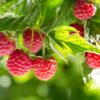
Raspberries can produce generous harvests without occupying the same space as full-size fruit trees.
They grow on perennial root systems that send up canes. Understanding those canes is central to successful raspberry gardening because pruning depends on the type of raspberry being grown and the age of the canes.
Red, yellow, purple, and black raspberries may have somewhat different growth habits and requirements.
A sunny site, appropriate spacing, good air circulation, and a support system can make a raspberry patch easier to maintain and harvest.
Our Growing Raspberries 101: Essential Tips for a Bountiful Harvest provides a starting point for choosing, planting, and caring for raspberries.
Because raspberries can spread beyond their original planting area, plan the patch with its mature growth habit in mind.
🖤 Grow Blackberries
Blackberries are another bramble fruit capable of producing impressive crops in relatively compact areas.
Some varieties have upright canes, while others have a more trailing growth habit and benefit greatly from support. Thornless cultivars can make pruning and harvesting considerably more comfortable, although variety selection should also take local climate and disease resistance into account.
Blackberries generally appreciate full sun, good drainage, and enough space for air to move through the planting.
Like raspberries, their pruning requirements are closely tied to how and when the particular variety fruits.
Read Growing Blackberries: Essential Tips for a Rewarding Harvest before establishing a blackberry patch so you can provide appropriate spacing and support from the beginning.
🍎 Growing Apple Trees
An apple tree is a much longer-term gardening project than a pot of basil, but the reward can last for many years.
Success begins with choosing a tree suited to the local climate. Rootstock affects mature tree size and other characteristics, while cultivar selection influences flavor, harvest season, cold hardiness, and disease susceptibility.
Pollination is another important consideration. Many apple cultivars produce better crops when compatible apple varieties bloom nearby at the same time.
A small landscape does not automatically rule out apples. Dwarfing and semi-dwarfing rootstocks can make trees more manageable than traditional full-size orchard trees.
Our Comprehensive Guide to Growing Apple Trees covers planting, care, pruning, pests, and harvest considerations.
Take time to research before planting. A fruit tree may occupy its garden location for decades.
🍐 Growing Pear Trees
Pear trees combine spring flowers, attractive foliage, and edible fruit in a single landscape plant.
As with apples, variety selection and pollination deserve attention before buying a tree. Some pears require compatible pollinizers, and cultivars differ in cold hardiness, disease susceptibility, harvest timing, and fruit characteristics.
Fruit trees also need enough space to mature and a location where they receive adequate sunlight.
Our Comprehensive Guide to Growing Pear Trees explores planting, watering, pruning, pest management, and harvesting.
Pears are generally harvested based on the characteristics of the particular type rather than simply waiting for every fruit to become fully soft on the tree, so learning how your cultivar ripens is another part of successful pear growing.
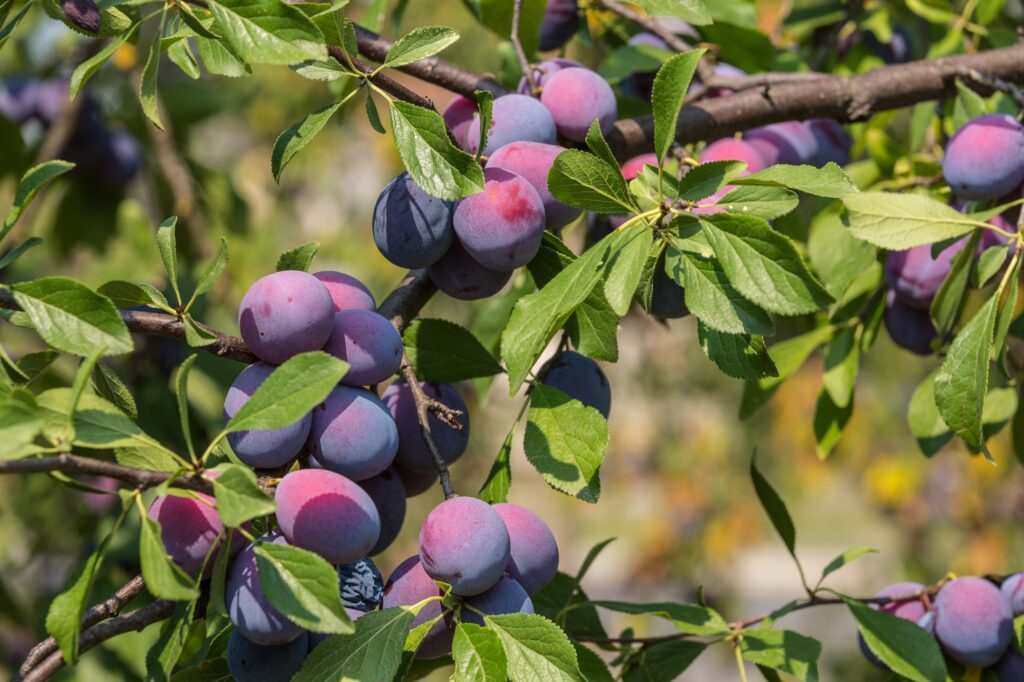
💜 Growing Plum Trees
Plums belong to the stone-fruit group, along with peaches, cherries, apricots, and nectarines.
Different types of plums vary in climate requirements, pollination needs, fruit characteristics, and disease susceptibility, so selecting the right cultivar is particularly important.
A sunny site with well-drained soil provides a strong starting point. As the tree develops, appropriate pruning can improve structure and make future harvesting and maintenance easier.
Our Comprehensive Guide to Growing Plum Trees Successfully provides more detailed guidance.
As with other fruit trees, research the mature size before planting. The small tree you bring home from the nursery will eventually require considerably more room.
🐝 Fruit Depends on Flowers and Pollination
Before fruit develops, flowers usually need successful pollination.
Strawberries, raspberries, blackberries, apples, pears, plums, and many other fruiting plants all depend to varying degrees on pollination for successful fruit production.
Bees and other insects perform much of this work in home gardens.
Providing flowering plants across the seasons can help support pollinating insects. Avoiding unnecessary insecticide use while fruit crops are blooming is also important because treatments intended for pests can sometimes affect beneficial insects.
Pollination requirements vary among fruits and cultivars.
Some plants can set crops with pollen from their own flowers, while others perform better—or may require—a compatible second cultivar nearby. Before purchasing a single fruit tree, check its specific pollination requirements.
That small piece of planning can determine whether a mature tree becomes highly productive or produces frustratingly little fruit.
🌳 Think About Fruit Tree Size Before Planting
Fruit trees are often sold when they are small enough to fit easily in a vehicle, which makes it easy to underestimate their eventual size.
Rootstock is especially important for apples and some other tree fruits because it influences mature size and growth characteristics.
Smaller trees are often easier for home gardeners to prune, thin, spray when necessary, cover from wildlife, and harvest.
However, even dwarf fruit trees need adequate root space and appropriate planting locations.
Do not plant a tree too close to buildings, utilities, fences, or other trees merely because it looks small today.
Consider what the garden will look like ten years from now.
🌱 Plant Fruit Trees Carefully
Planting a fruit tree properly gives it the best possible start.
Choose a site with appropriate sunlight and drainage. Digging an enormous amended planting hole is usually unnecessary; roots ultimately need to establish in the surrounding native soil.
Pay close attention to planting depth.
Trees planted too deeply can experience long-term problems. The root flare—the point where the trunk begins to broaden into the major roots—should not be buried beneath a deep layer of soil or mulch.
For grafted fruit trees, also identify the graft union and follow recommendations for the particular rootstock and planting system.
After planting, provide consistent moisture while roots establish, but avoid keeping the soil continually saturated.
💧 Water Fruit Plants During Establishment
New fruit plants need reliable moisture while developing their root systems.
Strawberries and brambles have different root systems from trees, but none benefit from alternating between severe drought and saturated soil.
Established fruit plants may become more resilient, although water remains particularly important during flowering, fruit development, and extended dry periods.
Watering deeply can encourage roots to explore a larger volume of soil.
Mulch can help conserve moisture and suppress weeds around fruit plants, but avoid piling it against tree trunks or burying plant crowns.
Pay attention to rainfall rather than watering automatically. Conditions change throughout the season.
✂️ Learn the Basics of Fruit Pruning
Pruning fruit plants is not merely about keeping them small.
Thoughtful pruning can help create strong structure, improve light penetration and air movement, remove damaged wood, and make fruit easier to harvest.
The correct method depends entirely on what you are growing.
Apple and pear trees are not pruned exactly like raspberries. Blackberries have their own cane-management requirements, and strawberries require a completely different approach.
Learn the growth cycle before reaching for the pruning shears.
Removing the wrong branches at the wrong time can reduce a future crop.
Young fruit trees also benefit from early structural training. Correcting narrow branch angles or poor structure while branches are small is much easier than making large corrective cuts years later.
🍏 Be Patient With Young Fruit Trees
Fruit trees may not produce significant crops immediately.
Newly planted trees need time to establish roots and develop a strong framework. Depending on the species, cultivar, rootstock, and growing conditions, meaningful fruit production may take several years.
That waiting period is not wasted time.
Good early care helps create a healthier tree capable of supporting future crops. Training branches, managing competing growth, maintaining appropriate moisture, monitoring pests, and avoiding unnecessary trunk damage all contribute to long-term success.
Berries generally reward gardeners more quickly, which is one reason strawberries and raspberries can make good companions to a young orchard.
You can enjoy berry harvests while waiting for trees to mature.
🫐 Add More Berries Over Time
The current fruit section of Life Is Better in the Garden already covers strawberries, raspberries, and blackberries, but the home fruit garden can extend much further.
Depending on climate and soil, future additions might include:
- Blueberries
- Grapes
- Currants
- Gooseberries
- Elderberries
- Serviceberries
- Cherries
- Peaches
- Figs
- Kiwiberries
Not every fruit belongs in every garden.
Blueberries, for example, have particular soil-acidity requirements, while figs that thrive outdoors in warm climates may require protection or container culture in colder regions.
Select fruits based on local conditions rather than trying to grow an arbitrary checklist.
🪴 Grow Fruit in Small Spaces
Small-space gardeners can grow fruit too.
Strawberries are an obvious starting point, and certain compact brambles and dwarf fruit trees may also work in appropriately sized spaces.
Containers dramatically change growing conditions, however. Roots are more exposed to heat, cold, and drying than they would be in the ground. Larger plants require substantial containers, and overwintering perennial fruit in pots can be challenging in cold climates.
When shopping for compact fruit plants, read mature dimensions carefully. Words such as “dwarf” and “patio” do not mean every plant remains tiny.
A well-chosen strawberry planter or compact fruit tree can be far more productive than several plants squeezed into spaces too small for them.
🦌 Protect the Harvest From Wildlife
Gardeners are not the only creatures interested in ripe fruit.
Birds can discover berries just as they begin coloring. Deer may browse fruit trees and brambles, while rabbits and rodents can damage bark, shoots, or low-growing plants.
Young trees can be particularly vulnerable to trunk damage.
Physical barriers are often among the most dependable ways to protect edible crops. Netting, fencing, trunk guards, and other methods can be appropriate depending on the animal and plant involved.
Use wildlife netting carefully so birds and other animals do not become trapped.
And accept that an edible garden will probably share at least a little of its harvest with the surrounding ecosystem.
🐛 Monitor Fruit Plants for Problems
Perennial fruits can face insect pests and diseases that vary significantly by plant and region.
Regular observation makes problems easier to address.
Look at foliage, stems, blossoms, and developing fruit throughout the season. Remove fallen or diseased material when recommended for the particular problem, and keep plantings reasonably open so air can circulate.
Correct identification matters.
Do not spray a fruit tree simply because a leaf has a spot on it. Different problems require different solutions, and some blemishes cause little meaningful harm.
Your local Cooperative Extension service is particularly valuable for fruit gardening because it can provide information about diseases and insects common in your region.
🍓 Harvest Fruit at the Right Time
Homegrown fruit is most rewarding when harvested at the appropriate stage.
Strawberries should develop their characteristic ripe color before picking. Raspberries and blackberries generally release from the plant much more easily when fully ripe.
Tree fruits vary more widely.
Apples, pears, and plums have different indicators of harvest readiness, and even cultivars within the same fruit type can mature weeks apart.
Learn the characteristics of the exact variety you are growing.
Harvesting at the correct time affects flavor, texture, storage life, and the overall quality of the crop.
Keep simple notes from year to year. The approximate harvest period of a mature fruit plant becomes increasingly predictable in your own garden.
📝 Keep Records of Perennial Edibles
Garden records are especially valuable when growing fruit because plants may remain in the same location for years or decades.
Write down cultivar names and rootstocks when planting fruit trees. Record planting dates, bloom periods, pruning, harvest timing, and major disease or pest problems.
Labels attached to young trees have a habit of disappearing long before the tree does.
Knowing the exact cultivar matters when researching pollination, disease resistance, pruning, harvest timing, and replacement plants later.
For herbs, records can help you remember which varieties produced the best flavor, when basil succumbed to frost, whether dill reseeded successfully, or which rosemary survived winter.
A few notes each season can prevent you from repeating the same experiments indefinitely.
🌻 Combine Beauty With Food
An edible garden does not need to look separate from the rest of the landscape.
Lavender can border a path. Thyme can spill over a sunny edge. Chives can produce purple flowers among ornamentals. Strawberries can grow near a bed edge, while berry plants can occupy boundaries and fruit trees can provide spring flowers and summer shade.
This approach is often called edible landscaping.
The goal is not to hide the fact that plants produce food but to recognize that productive plants can also be attractive.
A thoughtful mix of fruit, herbs, vegetables, and flowers can create a garden that feeds people while supporting pollinators and providing seasonal interest.
For more ways to combine edible and ornamental gardening, explore our Flower Gardening and Vegetable Gardening hubs.
🌿 Build Your Edible Garden Gradually
There is no need to establish an herb garden, berry patch, and orchard in a single season.
Start with herbs you cook with regularly. Add strawberries. Try a raspberry patch. If you have the space and climate, plant one or two carefully selected fruit trees.
Then observe.
Which herbs thrive in your soil? Where does water collect? Which berries do you actually enjoy harvesting? Is there enough sun for another fruit tree? Do deer make certain parts of the yard impractical without fencing?
Those observations will tell you what to add next.
Herbs can provide nearly immediate gratification, while fruit gardening rewards patience. Together they create an edible landscape that changes from season to season and becomes more productive as your experience grows.
Few things make a garden feel more useful than walking outside with an empty basket and coming back with ingredients for the kitchen.
🔗 Related Articles
- Gardening Basics
- Vegetable Gardening
- Flower Gardening
- Indoor Plants
- The Ultimate Guide to Growing Dill: From Garden to Kitchen
- Indoor Herb Gardening: Cultivating Flavor and Freshness at Home
- Exploring the World of Lavender Flowers
- Catmint: Unveiling the Hidden Wonders of This Aromatic Herb
- Calendula: The Wonder Herb and Its Multifaceted Uses
- How to Plant Garlic
- How to Plant Strawberries
- Growing Raspberries 101: Essential Tips for a Bountiful Harvest
- Growing Blackberries: Essential Tips for a Rewarding Harvest
- The Comprehensive Guide to Growing Apple Trees
- A Comprehensive Guide to Growing Pear Trees
- A Comprehensive Guide to Growing Plum Trees Successfully