Author's posts
Jan 19
Clematis Care: How to Grow, Prune & Keep Clematis Blooming
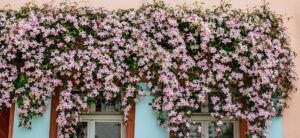
Clematis has earned its reputation as the “queen of the vines.” Few climbing plants offer such an extraordinary range of flowers, from enormous dinner-plate-sized blooms in purple, pink, red, blue, and white to clouds of smaller bells, stars, and nodding flowers that can cover fences, trellises, arbors, shrubs, and garden walls. The vines themselves can …
Jan 19
Catmint Care: How to Grow & Keep Nepeta Blooming
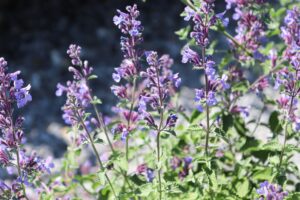
Catmint is one of the easiest flowering perennials to grow in a sunny garden. Its soft gray-green foliage forms spreading mounds covered with lavender-blue flowers, attracting bees and butterflies while asking for remarkably little attention in return. Once established, catmint tolerates drought, poor soil, summer heat, and occasional neglect. Deer and rabbits generally avoid it, …
Jan 19
Calibrachoa Care: How to Grow & Keep Million Bells Blooming
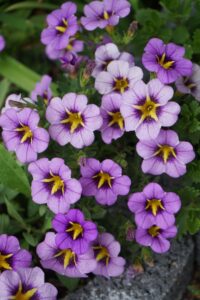
Calibrachoa can turn a single hanging basket into a cascade of color from spring until frost. Often sold under the common name Million Bells, these vigorous trailing plants produce hundreds of miniature petunia-like flowers in shades of purple, pink, red, orange, yellow, blue, white, bronze, and multicolored combinations. They are particularly well suited to hanging …
Jan 19
Caladium Care: How to Grow Colorful Caladiums Indoors & Outdoors
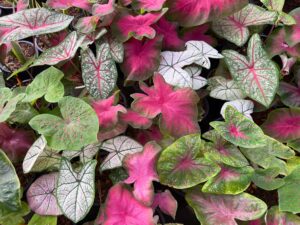
Caladiums can bring more color to a shady garden than many flowering plants. Instead of relying on blossoms, these tropical plants produce heart- or lance-shaped leaves splashed with combinations of white, pink, red, burgundy, chartreuse, and green. Some leaves are dramatically veined, others are speckled or mottled, and a few are so pale that they …
Jan 19
Butterfly Bush Care: How to Grow, Prune & Manage Buddleja
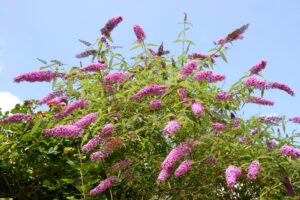
Butterfly bush is famous for producing long, fragrant flower clusters that can draw butterflies, hummingbirds, bees, and other nectar-seeking insects throughout summer. Few flowering shrubs create such a dramatic display so quickly, and established plants can produce new stems several feet long in a single growing season. That vigorous growth is both butterfly bush’s greatest …
Jan 19
Begonia Care: How to Grow Begonias Indoors & Outdoors
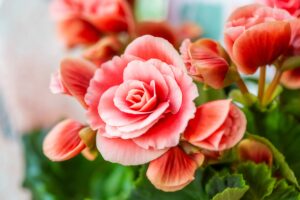
Begonias are sometimes described as though they were one type of plant with one simple set of care instructions. In reality, the genus Begonia contains more than 2,000 species along with an enormous number of hybrids and cultivars, ranging from compact bedding plants to dramatic foliage houseplants and flowering tuberous varieties with blooms that rival …
Jan 19
Angelonia Care: How to Grow & Keep Summer Snapdragon Blooming
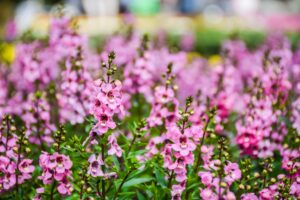
Angelonia is one of the best flowering plants for the point in summer when many other annuals begin looking exhausted. Heat that causes cool-season snapdragons to decline only seems to encourage Angelonia, which continues producing upright spikes of purple, lavender, pink, blue, and white flowers through hot, humid weather. That toughness explains its common name: …
Jan 19
Allium Care: How to Grow Ornamental Alliums
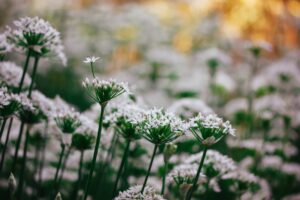
Allium Care: How to Grow Ornamental Alliums Ornamental alliums bring one of the most distinctive flower shapes to the garden. Their spherical clusters can look like purple fireworks suspended above a border, with dozens—or sometimes hundreds—of tiny star-shaped flowers forming a single globe at the top of a tall, leafless stem. The best-known ornamental alliums …
Jan 19
Astrantia Care: How to Grow & Care for Masterwort
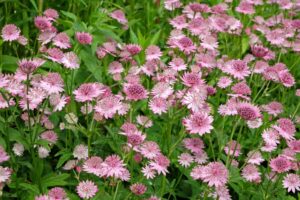
Astrantia is one of those flowers that becomes more interesting the closer you look. From a distance, its blooms appear as soft clusters of pink, white, burgundy, or greenish flowers floating above leafy clumps. Up close, each flower head reveals an intricate arrangement of tiny flowers surrounded by papery, star-shaped bracts. That distinctive appearance has …
Dec 21
Regenerative Gardening: How to Build Healthy Soil & a More Resilient Yard
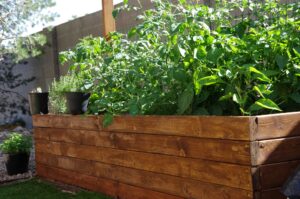
Regenerative gardening begins with a simple change in perspective: instead of treating the garden as a collection of plants that constantly need fertilizer, irrigation, pesticides, and correction, you begin treating the entire yard as a living system. The soil beneath a perennial bed is not merely something that holds roots upright. It contains minerals, organic …