Category: Flower Gardening

Daydream Cosmos

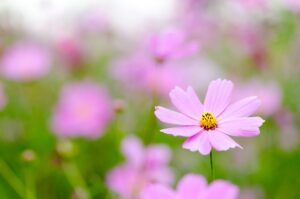
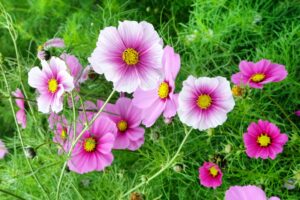
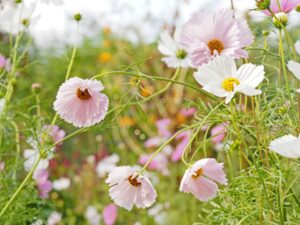
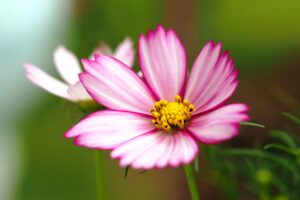
Daydream cosmos is a tall, romantic cultivar of Cosmos bipinnatus known for its delicate white-to-blush-pink flowers with a deeper rosy-pink ring surrounding the golden-yellow center. The petals create a soft watercolor effect, appearing almost white around their outer edges before gradually deepening toward the middle of the bloom. Unlike heavily patterned cultivars such as Cosmos …
Continue reading

Cosmos Cupcakes Blush

Cosmos ‘Cupcakes Blush’ is one of the most unusual forms of Cosmos bipinnatus, producing large flowers whose outer petals are fused together into a pleated bowl or teacup shape. Rather than having separate flat petals like an ordinary cosmos, the flower looks almost as though it is sitting inside a delicate cupcake wrapper. The coloring …

Continue reading

Picotee Cosmos

Picotee cosmos is a striking form of Cosmos bipinnatus known for elegant white-to-pale-pink petals edged in deeper rose, magenta, or crimson. The contrasting border creates the classic “picotee” effect—a pale flower outlined by a darker color—as though each petal had been carefully painted around its edge. The best-known form is often sold as Sensation Picotee, …

Continue reading

Cosmos Dazzler

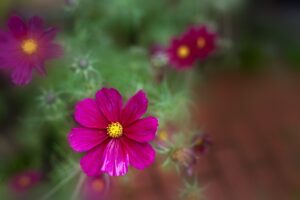
Cosmos ‘Dazzler’ is a tall, richly colored Cosmos bipinnatus cultivar known for its vivid deep carmine-red to crimson-pink flowers surrounding bright golden-yellow centers. The intense color gives it considerably more visual impact than pale pink or white garden cosmos while retaining the graceful single-flowered form and feathery foliage of the species. The Royal Horticultural Society …

Continue reading

Apricot Lemonade Cosmos

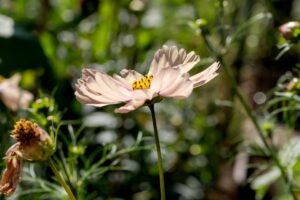
Apricot Lemonade cosmos is an unusually colored Cosmos bipinnatus cultivar prized for flowers that blend soft apricot, creamy lemon-yellow, blush pink, and pale lavender-mauve. The blooms can change noticeably as they mature, giving a single plant several subtly different pastel shades at the same time. Fresh flowers typically open in soft apricot tones with a …

Continue reading

Sensation Mix Cosmos

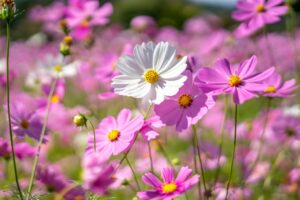
Sensation Mix cosmos is one of the classic tall forms of Cosmos bipinnatus, producing an old-fashioned mixture of large, single flowers in shades of white, pale pink, rose, lavender-pink, magenta, and crimson. Long before gardeners could choose peach Apricotta, pale-yellow Xanthos, tubular Sea Shells, or fluffy Double Click varieties, the Sensation Series helped establish the …

Continue reading

Cosmos Longipetiolatus

Cosmos longipetiolatus is a rare perennial species of cosmos native to Jalisco, Mexico. Unlike familiar garden cosmos such as Cosmos bipinnatus, which are typically grown as fast-growing annuals from seed, C. longipetiolatus is a wild perennial with underground tuberous roots, deeply divided foliage, and purple to reddish-purple flowers. The species has a remarkably limited known …

Continue reading

Cosmos Atrosanguineus

Cosmos atrosanguineus, better known as chocolate cosmos, is one of the most distinctive species in the genus Cosmos. Instead of the airy pink, white, or crimson annual flowers associated with Cosmos bipinnatus, chocolate cosmos is a tuberous herbaceous perennial with velvety dark maroon-to-crimson flowers famous for their warm chocolate-like fragrance. Native to Mexico, the species …

Continue reading

Cosmos Sulphureus

Cosmos sulphureus, commonly called sulphur cosmos, yellow cosmos, orange cosmos, or Klondike cosmos, is a warm-season annual known for brilliant flowers in shades of lemon yellow, golden yellow, orange, and red-orange. Native from Mexico through Central America, it is one of the most colorful wild species in the genus Cosmos and the source of numerous …

Continue reading

Cosmos Bipinnatus

Cosmos bipinnatus is the species behind most of the familiar pink, white, crimson, burgundy, bicolor, double, and specialty cosmos flowers grown in gardens today. Commonly called garden cosmos, Mexican aster, tall cosmos, or cut-leaf cosmos, it is a fast-growing annual native to Mexico that has become one of the world’s most recognizable summer flowers. The …

Continue reading