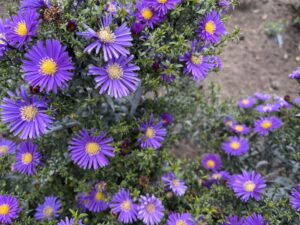
Asters are classic late-season flowers that fill gardens with shades of purple, lavender, blue, pink, and white just as many summer perennials begin fading. Their daisy-like flowers are especially valuable in late summer and fall, providing both garden color and an important source of nectar for bees, butterflies, and other pollinators. The name “aster” covers …
Category: Flower Gardening
Nov 28
Sedum Care
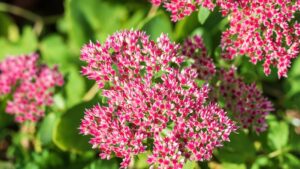
Sedum is a large and diverse group of succulent plants valued for their drought tolerance, low-maintenance growth, and ability to thrive in sunny, dry locations where many other garden plants struggle. Commonly known as stonecrop, sedums range from tiny ground covers only a few inches tall to upright varieties that reach 2 feet or more …
Nov 27
Goldenrod Care
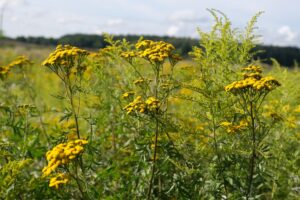
Goldenrod is a tough, colorful perennial best known for its masses of yellow flowers that brighten gardens from late summer into fall. Native goldenrods are especially valuable in pollinator gardens because their late-season blooms provide nectar and pollen at a time when many summer flowers have already faded. Most goldenrods belong to the genus Solidago, …
Nov 26
Turtlehead Care
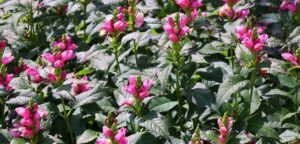
Turtlehead is a distinctive North American native perennial known for its unusual snapdragon-like flowers that resemble a turtle poking its head from its shell. Belonging to the genus Chelone, these dependable plants produce white, pink, rose, or purple flowers from late summer into fall, bringing welcome color to the garden when many earlier perennials are …
Nov 25
Russian Sage Care
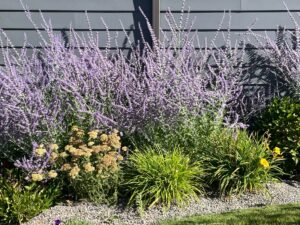
Russian sage is a sun-loving perennial prized for its silvery foliage, airy lavender-blue flowers, and exceptional tolerance of heat and drought. From midsummer into fall, mature plants can become covered with clouds of tiny blue-purple blossoms held above aromatic gray-green leaves, creating a soft appearance that works especially well in cottage gardens, gravel gardens, pollinator …
Nov 24
Beautyberry Care
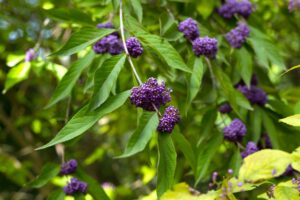
Beautyberry is a deciduous shrub best known for the extraordinary clusters of bright purple berries that wrap around its arching stems in late summer and fall. While its small summer flowers are attractive to pollinators, the fruit is what makes this shrub unforgettable. Against yellowing autumn foliage or bare branches, the intensely colored berries can …
Nov 23
Sneezeweed Care
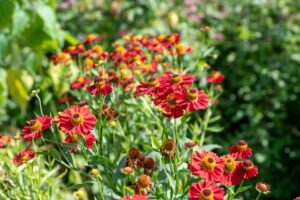
Sneezeweed is a colorful late-summer and fall perennial known for its daisy-like flowers in shades of yellow, gold, orange, copper, and red. The most familiar species, Helenium autumnale, is native to much of North America and is especially valuable in pollinator gardens, meadow plantings, rain gardens, and sunny perennial borders. Despite its unfortunate common name, …
Nov 22
Monkshood Care
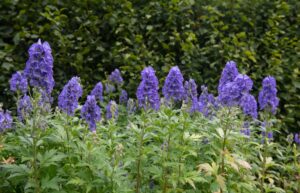
Monkshood is a dramatic herbaceous perennial known for tall spikes of hood-shaped flowers in rich shades of blue, violet, purple, white, and occasionally pink. Its distinctive blossoms resemble the hood of a medieval monk, giving the plant its familiar common name. Other names include aconite and wolfsbane. Plants in the genus Aconitum are particularly useful …
Nov 21
Hardy Begonia Care
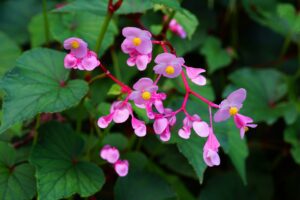
Hardy begonia is an unusual shade-loving perennial that brings lush foliage and delicate pink or white flowers to woodland gardens, shaded borders, and other areas where many sun-loving flowers struggle. Unlike the tender begonias commonly grown in summer containers, Begonia grandis can survive winter in the ground in suitable climates and return from underground tubers …
Nov 20
Witch Hazel Care
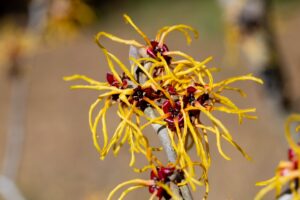
Witch hazel is a distinctive deciduous shrub or small tree valued for fragrant, ribbon-like flowers that appear at times of year when very few other woody plants are blooming. Depending on the species, witch hazel may flower in autumn, winter, or very early spring, producing clusters of yellow, orange, red, or copper-colored blossoms along otherwise …