Category: Flower Gardening

Viburnum Care

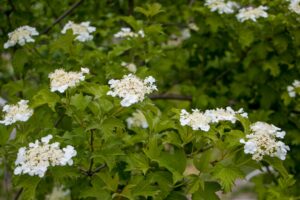
Viburnums are among the most versatile flowering shrubs for home landscapes. Depending on the species, they can provide fragrant spring flowers, colorful berries, brilliant autumn foliage, evergreen leaves, winter interest, or several of these features on the same plant. Some remain compact enough for a small border, while others mature into large screening shrubs or …
Continue reading

Winter Hazel Care

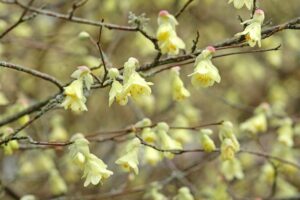
Winter hazel is a graceful deciduous shrub prized for its dangling clusters of pale yellow flowers that appear on bare branches just as winter begins giving way to spring. Botanically, winter hazels belong to the genus Corylopsis, with buttercup winter hazel (Corylopsis pauciflora) and spike winter hazel (Corylopsis spicata) among the best-known garden species. Despite …

Continue reading

Pussy Willow Care

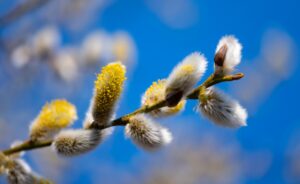
Pussy willow is a fast-growing deciduous shrub or small tree best known for the soft, silvery catkins that cover its bare branches in late winter and early spring. Botanically known as Salix discolor, the North American pussy willow is native across a large portion of Canada and the northern United States, where it naturally grows …

Continue reading

Thrift Care

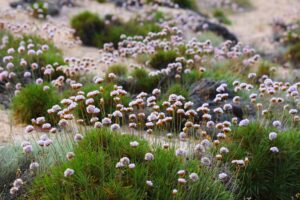
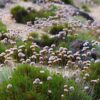
Thrift is a compact evergreen perennial prized for its tidy grassy foliage and rounded clusters of pink, rose, lavender, or white flowers. Botanically known as Armeria maritima, it is also commonly called sea thrift or sea pink and is naturally associated with coastal cliffs, sandy ground, rocky slopes, and other exposed places where drainage is …

Continue reading

Sunflower Meaning: Symbolism, History & What Sunflowers Represent

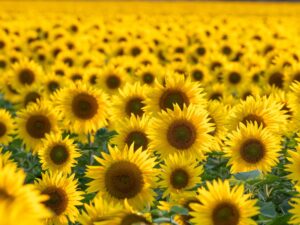
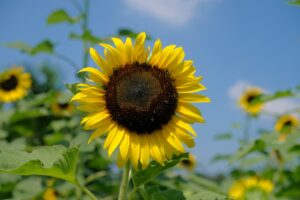
Few flowers communicate happiness as instantly as a sunflower. With brilliant yellow petals surrounding a dark center and tall stems that seem to reach toward the sky, sunflowers have become widely associated with optimism, warmth, friendship, loyalty, resilience, and the simple pleasure of turning toward the light. Yet sunflower symbolism is richer than the familiar …

Continue reading

25 Types of Sunflowers: Giant, Dwarf, Red, White & Branching Varieties

Sunflowers are far more diverse than the familiar tall plant with bright yellow petals and a dark brown center. Modern sunflower varieties range from enormous plants that can tower more than 10 feet overhead to compact cultivars small enough for patio containers. Flowers may be golden yellow, lemon, cream, burgundy, mahogany, bronze, red, or combinations …

Continue reading

When to Plant Sunflowers: Best Time to Sow Seeds for Summer Blooms

Sunflowers are among the easiest flowers to grow from seed, but planting them at the right time can make the difference between strong, fast-growing plants and seedlings that struggle in cold soil. For most gardeners, the best time to plant sunflowers is in spring after the danger of frost has passed and the soil has …

Continue reading

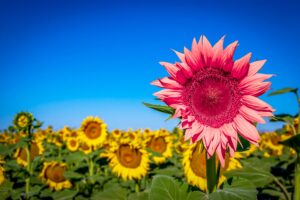
Pink Sunflowers: Are They Real? Best Rose, Blush & Plum Varieties

Pink sunflowers sound almost too unusual to be real. Search for them online and you may encounter photographs of sunflowers with bubblegum-pink, hot-pink, or even neon-magenta petals that look dramatically different from the familiar golden-yellow blooms growing in summer gardens. So, are pink sunflowers actually real? Yes — but genuine pink sunflowers usually aren’t the …

Continue reading

10 Best Plants to Grow in Summer for a Colorful, Heat-Loving Garden

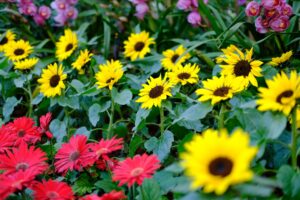
Summer can be one of the most colorful seasons in the garden, but it can also be one of the most demanding. Long days, intense sunlight, hot soil, and periods of drought quickly reveal which plants are genuinely comfortable in warm weather and which ones simply tolerate it. The best summer plants are not necessarily …

Continue reading

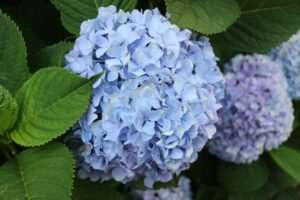
Coffee Grounds for Hydrangeas: Do They Change Color? Benefits, Risks & Safe Use

Coffee grounds are frequently recommended as a natural amendment for hydrangeas. One of the most persistent pieces of gardening advice claims that spreading used coffee grounds around a hydrangea will acidify the soil and turn its flowers blue. The reality is more complicated. Used coffee grounds can be a useful addition to compost because they …

Continue reading