Category: Gardening Tips

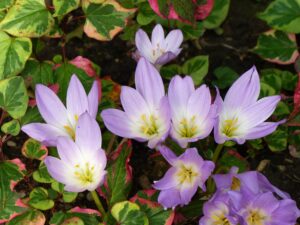
Autumn Crocus Care

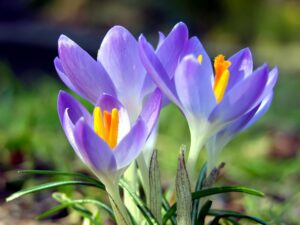
Autumn crocus is one of the garden’s most unusual fall flowers. Just when many summer perennials are fading, goblet-shaped pink, lavender, purple, or white flowers suddenly rise directly from bare soil, often with no leaves in sight. The plant commonly called autumn crocus or meadow saffron is Colchicum autumnale. Despite its common name and its …

Continue reading

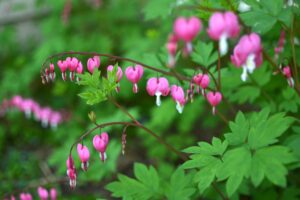
Bleeding Heart Care

Bleeding heart is one of the most distinctive flowers of the spring shade garden. Its arching stems are lined with pink, red, or white heart-shaped blossoms that seem to dangle like tiny lockets above soft green foliage. The classic old-fashioned bleeding heart is Lamprocapnos spectabilis, a species long known as Dicentra spectabilis. The older name …

Continue reading

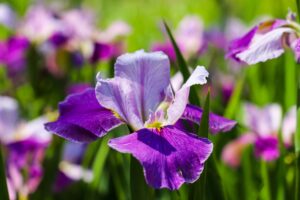
Iris Care

Irises are among the most recognizable flowers in the perennial garden. Their elaborate blooms rise above sword-shaped foliage in shades of purple, blue, white, yellow, pink, peach, bronze, burgundy, and almost every combination in between. The genus Iris contains hundreds of species and an enormous number of garden cultivars. They belong to the family Iridaceae …

Continue reading

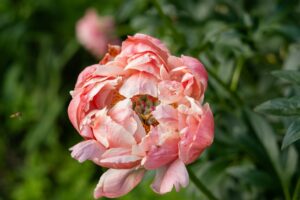
Peony Care

Peonies are among the longest-lived and most impressive flowering perennials in the garden. Their enormous spring and early-summer blooms can be simple and elegant or so densely packed with petals that they resemble roses, while established plants can remain productive in the same location for decades. The genus Paeonia includes herbaceous peonies, woody tree peonies, …

Continue reading

Azalea Care

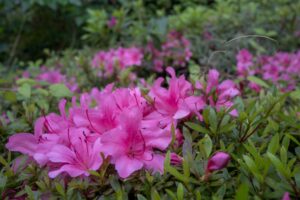
Azaleas are among the most spectacular flowering shrubs of spring, producing masses of funnel-shaped blooms in shades of white, pink, coral, orange, red, purple, and yellow. Some varieties are evergreen, others lose their leaves each fall, and many can live for decades when planted in the right location. Botanically, azaleas belong to the genus Rhododendron …

Continue reading

Dogwood Care

Flowering dogwood is one of the most beautiful small trees of the North American spring landscape. Its horizontal branches become covered with white or pink flower-like bracts before or as the leaves emerge, followed later by red fruit, colorful fall foliage, and distinctive patterned bark that provides winter interest. The classic native flowering dogwood is …

Continue reading

Magnolia Care

Magnolias are among the most dramatic flowering trees and shrubs in the garden. Depending on the species, they may cover bare spring branches with enormous pink or white flowers, produce star-shaped blooms before most other trees have leafed out, or remain evergreen and open huge fragrant flowers during late spring and summer. The genus Magnolia …

Continue reading

Forsythia Care

Forsythia is one of the unmistakable signs that spring has arrived. Before most shrubs have produced a full canopy of leaves, its bare arching branches become lined with brilliant yellow flowers, creating a burst of color at a time when much of the garden is still waking from winter. The most familiar garden forsythia is …

Continue reading

Hellebore Care

Hellebores are among the most valuable flowers for the winter and early-spring garden. At a time when many perennials are dormant and deciduous shrubs are still bare, hellebores produce nodding flowers in shades of white, cream, green, pink, rose, burgundy, purple, and almost black. The genus Helleborus belongs to the buttercup family, Ranunculaceae. Most species …

Continue reading

Trillium Care

Trilliums are among the most recognizable wildflowers of the North American woodland. Their elegant three-petaled flowers rise above a whorl of three broad leaf-like bracts, creating a beautifully symmetrical plant that seems perfectly suited to the quiet shade of a deciduous forest. The genus Trillium belongs to the family Melanthiaceae and includes numerous species native …

Continue reading