Category: Gardening Tips

Lilac Care

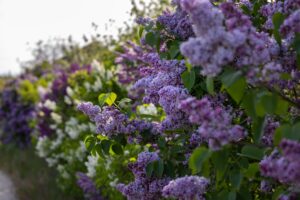
Lilacs are among the most recognizable flowering shrubs of spring. Their large clusters of purple, lavender, pink, white, or cream flowers can fill an entire garden with fragrance, often becoming one of the most anticipated displays of the year. The best-known species is Syringa vulgaris, the common lilac, a deciduous shrub native to the Balkan …

Continue reading

Forget-Me-Not Care

Few spring flowers are as instantly recognizable as forget-me-nots. Their tiny blue blossoms, each centered with a bright yellow or creamy-white eye, can create a soft cloud of color beneath shrubs, along woodland paths, between spring bulbs, or around the edges of a cottage garden. The plant most commonly grown as the traditional garden forget-me-not …

Continue reading

Pansy Care

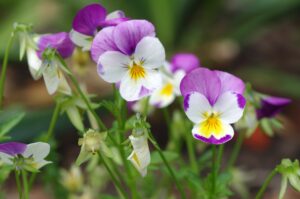
Pansies are among the most dependable flowers for adding color when the weather is too cool for most traditional annuals. Their broad, overlapping petals can be yellow, orange, red, burgundy, blue, violet, purple, white, or nearly black, often marked with contrasting blotches that create the familiar pansy “face.” The garden pansy is generally known botanically …

Continue reading

Primrose Care

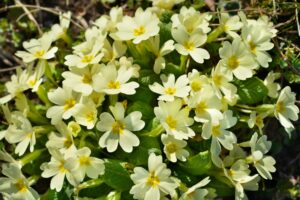
Primroses are among the first perennials to bring substantial color back to the garden after winter. Their cheerful flowers appear in yellow, white, pink, red, purple, blue, orange, and countless combinations, often blooming while many other perennials are only beginning to emerge. The name primrose most commonly refers to plants in the genus Primula, particularly …

Continue reading

Japanese Anemone Care

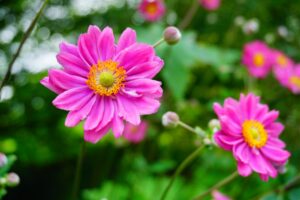
Japanese anemones are among the most valuable flowers for the late-season garden. Just as many summer perennials begin fading, these graceful plants send up tall, branching stems topped with pink or white flowers that can continue from late summer well into fall. The plants commonly called Japanese anemones include Anemone hupehensis and numerous garden hybrids …

Continue reading

Tulip Care

Tulips are among the most recognizable flowers of spring. Their upright stems and brightly colored blooms can transform an otherwise quiet garden into a display of red, yellow, orange, pink, purple, white, burgundy, and almost-black flowers within just a few weeks. Tulips belong to the genus Tulipa in the lily family, Liliaceae. Wild tulip species …

Continue reading

Daffodil Care

Daffodils are among the most dependable flowers of spring. Their cheerful yellow, white, cream, orange, peach, and pink-toned blooms often appear while the garden is still waking from winter, sometimes pushing through cold soil just weeks after snow has disappeared. All daffodils belong to the genus Narcissus. The terms daffodil and narcissus refer to the …

Continue reading

Crocus Care

Crocuses are among the first flowers to announce that winter is ending. Their small goblet-shaped blooms can emerge through cold soil—and sometimes even through snow—bringing flashes of purple, lavender, yellow, white, and striped color to lawns, woodland edges, rock gardens, and flower beds. Most familiar garden crocuses belong to the genus Crocus in the iris …

Continue reading

Hyacinth Care

Hyacinths are among the most fragrant flowers of spring. Their dense flower spikes can fill a garden, porch, or even an entire room with perfume, while their vivid blue, purple, pink, white, yellow, and burgundy flowers provide a concentrated burst of color at a time when many perennials are only beginning to wake from winter. …

Continue reading

Lily of the Valley Care

Lily of the valley is a classic shade-loving perennial known for its arching stems of tiny white bells and remarkably powerful fragrance. Although the flowers are small, a mature colony can perfume an entire section of the garden during spring. The familiar garden species is Convallaria majalis, a rhizomatous perennial native to Eurasia. It belongs …

Continue reading