Winter sowing can help you grow a perennial garden from a modest collection of seed packets. Seeds are planted in vented outdoor containers, where suitable species experience winter conditions before germinating as the weather becomes favorable. The method is particularly useful for plants that benefit from cold, moist treatment, but some perennials without a chilling requirement can also be started in containers closer to spring.
The following 20 species offer a mixture of flower colors, bloom seasons, and garden uses. They are native to different parts of North America, so check their local suitability, winter hardiness, and mature growing requirements before choosing them. A plant that thrives in a damp meadow may struggle in a dry border, even when both plants germinate successfully in the same type of winter-sowing container.
🌱 Before You Choose Your Seeds
Cold moist stratification is a period of moist chilling that helps break dormancy in certain seeds. The required treatment varies by species and seed lot, and not every perennial needs it. Follow the instructions supplied with your seeds, including sowing depth, light requirements, and any additional treatment. Small seeds needing light should not be buried beneath a heavy covering of mix.
Use the botanical names below when shopping, because common names can refer to plants with different life cycles or germination needs. Also remember that seedlings from named cultivars or hybrids may differ from their parent plants. Winter sowing can produce useful garden plants without guaranteeing that every seedling will match a particular nursery cultivar.
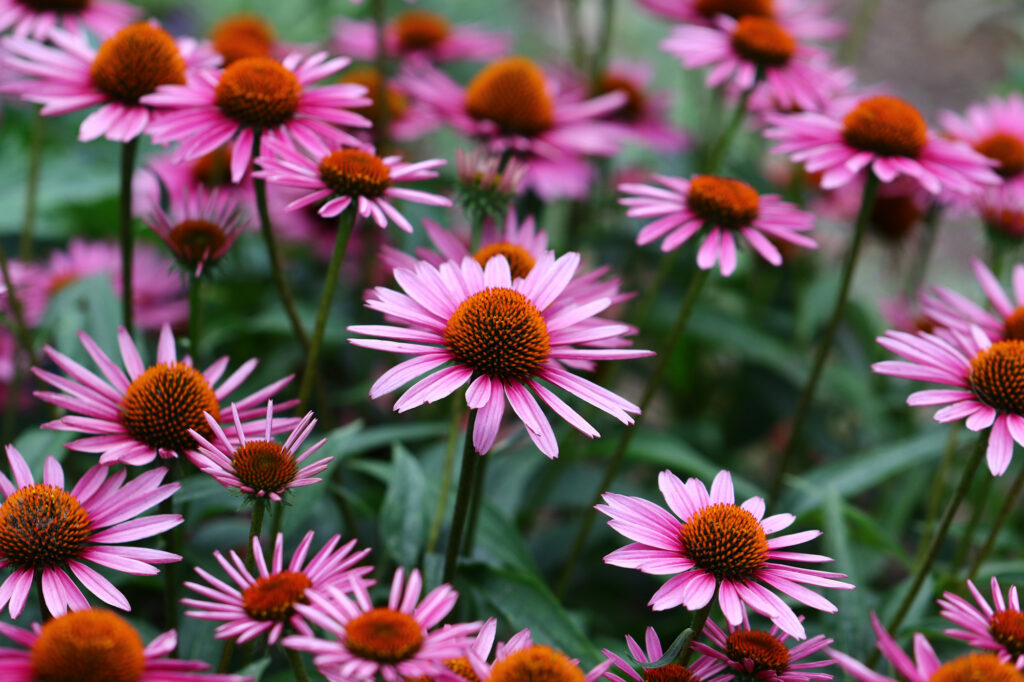
🌸 1. Purple Coneflower (Echinacea purpurea)
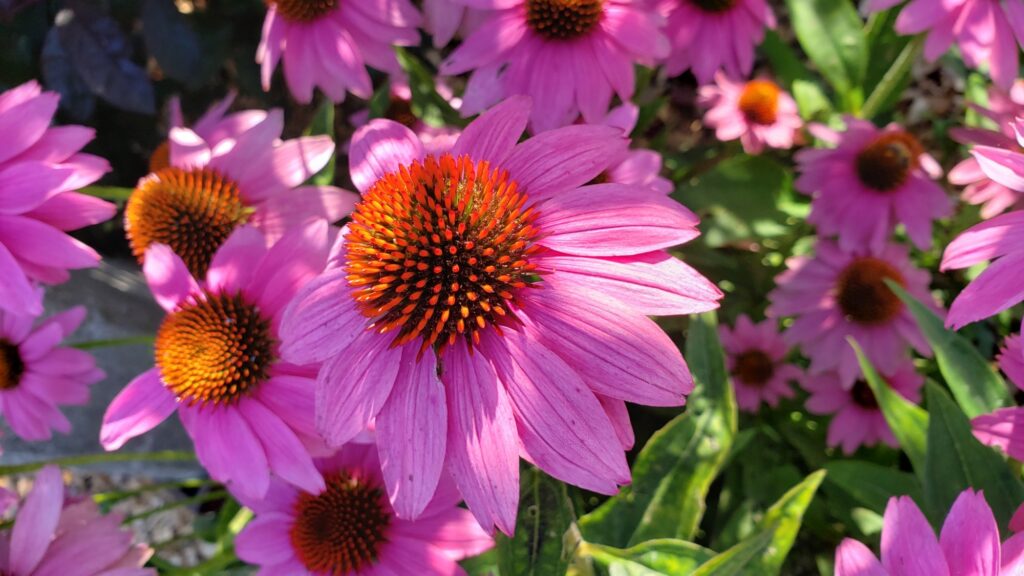
Purple coneflower brings pinkish-purple petals and prominent central cones to sunny borders, meadow-style plantings, and pollinator gardens. It grows well in full sun to light shade and prefers soil that drains well, with established plants tolerating some drought. It is a practical species to try from seed, although a long chilling period is not universally necessary: some suppliers recommend no pretreatment for their seed. Follow your packet’s directions and avoid assuming every coneflower species has the same requirements. Leave some mature flower heads standing if you want seeds available for birds.
🦋 2. Butterfly Weed (Asclepias tuberosa)
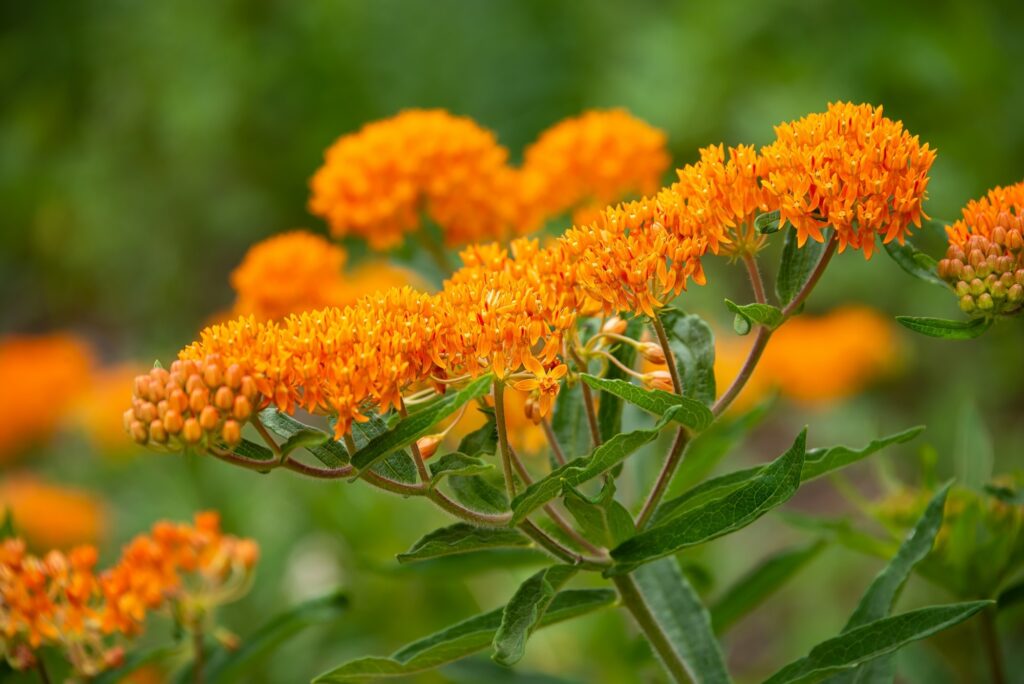
Butterfly weed produces bright orange flower clusters and is especially useful in sunny gardens with well-drained soil. Its mature roots help it tolerate dry conditions, and its leaves serve as food for monarch caterpillars. Winter sowing can provide the cold, moist conditions recommended for many seed lots, but seedlings may spend considerable time establishing roots before producing a substantial flower display. Handle young roots carefully and choose the eventual planting location thoughtfully, because established plants can be difficult to move. Allow a few growing seasons for it to develop into a strong flowering plant.
🌷 3. Swamp Milkweed (Asclepias incarnata)
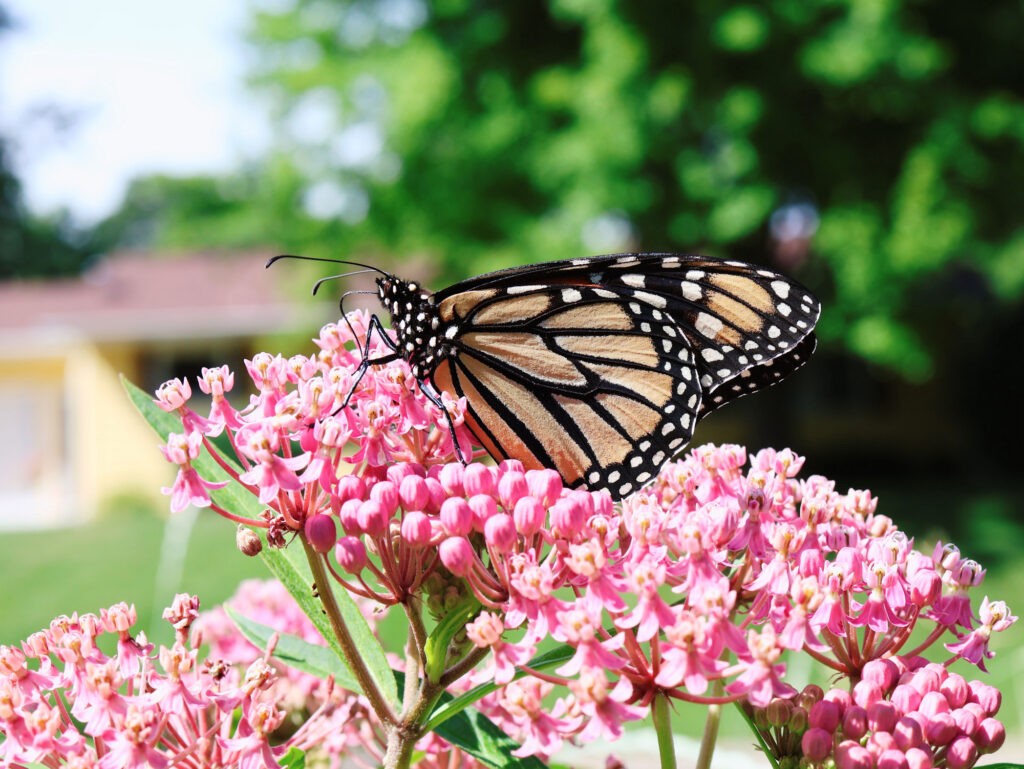
Swamp milkweed offers pink to rose-purple flowers and a taller, more upright presence than butterfly weed. It suits moist borders, rain gardens, and planting areas near ponds or streams, with full sun to partial shade depending on the site. Many seed lots benefit from cold moist treatment, making outdoor winter sowing useful where the climate provides sufficient chilling. After germination, pay attention to moisture as the seedlings grow. Its eventual preference for moist ground does not remove the need for drainage in a seed-starting container, where stagnant water can still cause problems.
🌿 4. Wild Columbine (Aquilegia canadensis)
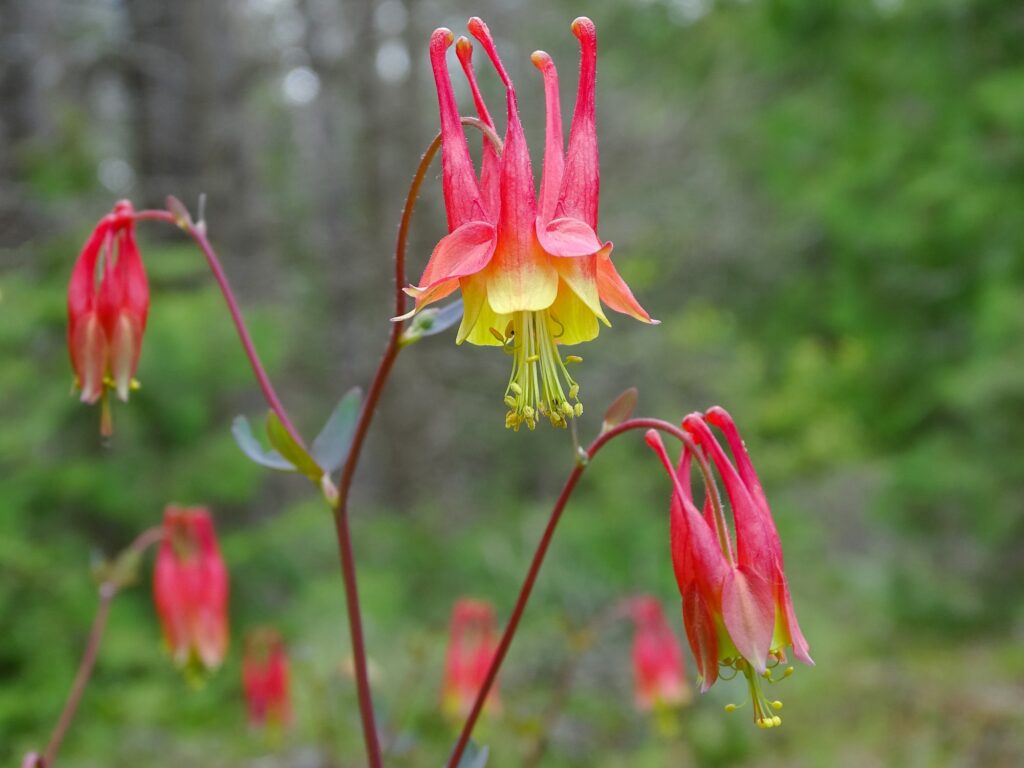
Wild columbine adds red-and-yellow, nodding flowers to woodland edges and partially shaded gardens. Its spring flowers attract hummingbirds and other pollinators, while its divided foliage gives the planting a softer texture. It generally appreciates moist, well-drained soil and can tolerate more sunlight where moisture remains adequate. Winter sowing is a useful way to start this self-seeding perennial, following the packet’s instructions for cold treatment and depth. Expect young plants to develop before reaching their best flowering size; seedlings commonly bloom in their second year, and established plants can help maintain a colony through reseeding.
🐝 5. Wild Bergamot (Monarda fistulosa)
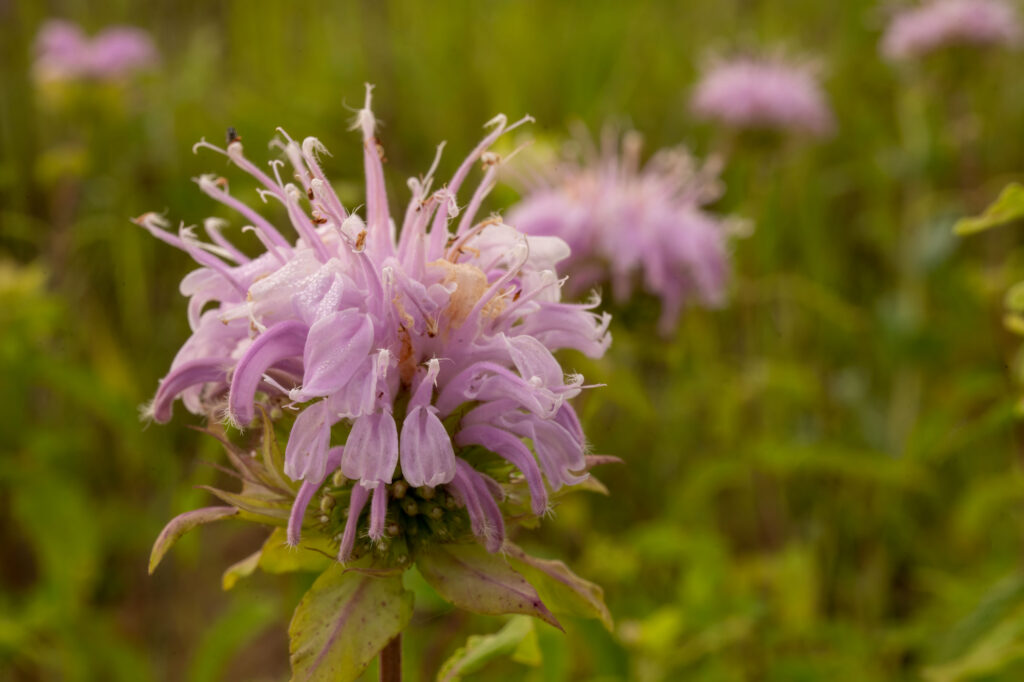
Wild bergamot produces lavender flower heads above aromatic foliage and works well in sunny pollinator gardens and naturalistic borders. Give it room to form a clump and provide reasonable air circulation, especially where summer humidity encourages mildew. It tolerates a range of soils, although prolonged moisture stress can affect its appearance. The seeds commonly germinate without pretreatment, so a later winter-sowing batch can be appropriate when local conditions suit the seedlings. This makes it a useful reminder that outdoor container sowing and a strict requirement for winter chilling are not the same thing.
💜 6. Dense Blazing Star (Liatris spicata)
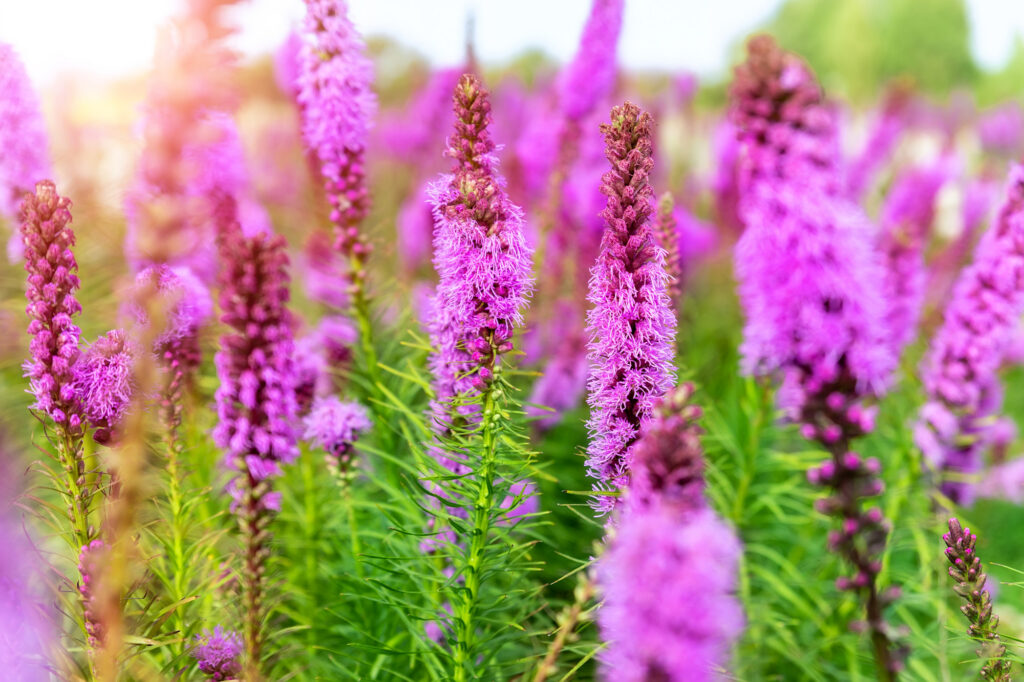
Dense blazing star produces upright purple flower spikes that contrast beautifully with daisy-shaped blooms and finer garden foliage. It is a good choice for sunny planting areas with average to moist soil, including suitable rain-garden sites. Seed suppliers commonly recommend a cold, moist period; Prairie Moon Nursery lists a 60-day treatment for its seed. Allow enough time for the instructions on your own packet rather than sowing immediately before sustained spring warmth. Seed-grown plants need time to develop their underground storage structures, so the first season may emphasize establishment more than flowering.
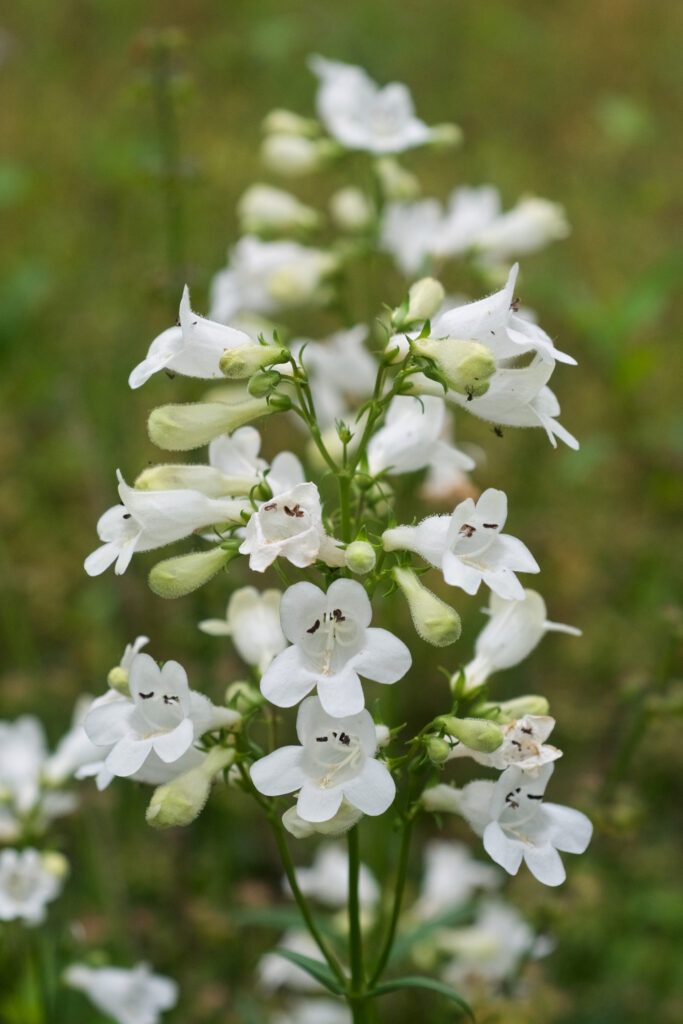
🤍 7. Foxglove Beardtongue (Penstemon digitalis)
Foxglove beardtongue sends up white tubular flowers in late spring or early summer, adding height without the dense bulk of some larger perennials. It grows in full sun to light shade and adapts to several soil types when drainage is adequate. Winter sowing can supply the cold treatment recommended for many seed lots; Prairie Moon Nursery specifies about 30 days for its seed. Sow at the depth given by your supplier and give developing plants room. The species is a useful choice for mixed borders where early flowers can precede later coneflowers and asters.
🍂 8. New England Aster (Symphyotrichum novae-angliae)
New England aster extends the garden’s flowering season with purple to pinkish blooms in late summer and fall. It suits sunny sites with reasonably moist, well-drained soil and can become a substantial plant, often reaching several feet tall. Starting it from seed is useful when you want several plants for a larger border or meadow-style area. Check your supplier’s germination directions because chilling recommendations can vary. Plan for its mature size while seedlings are still small, and allow enough spacing for air movement and the growth of neighboring plants.

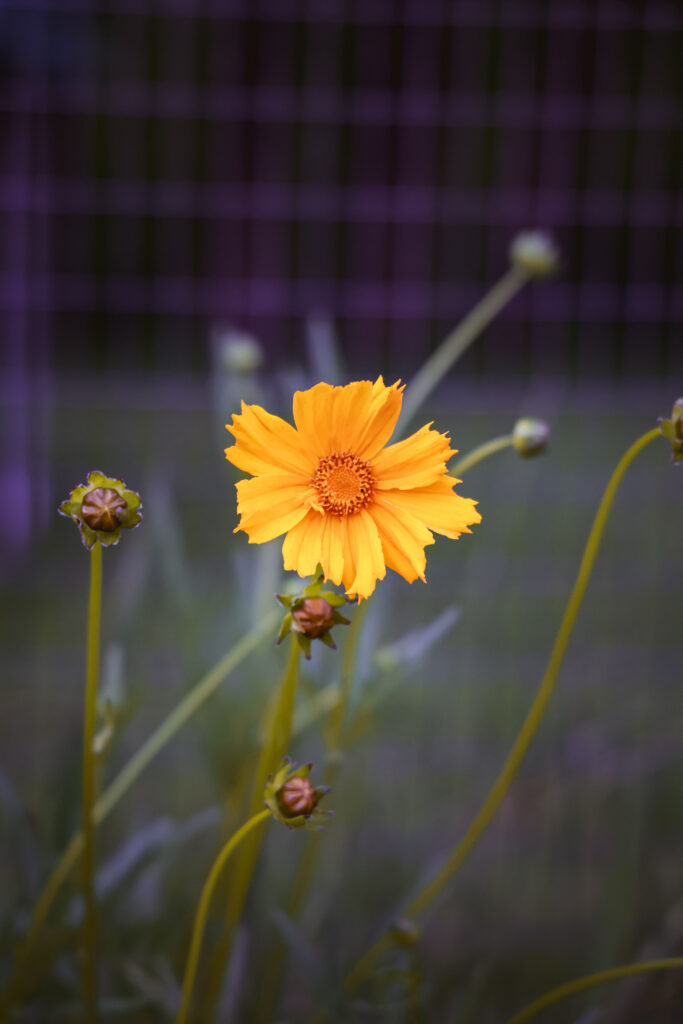
🌞 9. Lanceleaf Coreopsis (Coreopsis lanceolata)
Lanceleaf coreopsis supplies cheerful yellow flowers and performs well in sunny gardens with well-drained soil, including sandy or relatively lean sites. It can reseed freely, which may be welcome in an informal planting but require some management in a small border. Winter sowing offers a way to provide the short cold treatment recommended by some suppliers before spring germination. Avoid excessive crowding in the container so individual plants can develop properly. Although it is perennial, the planting may also renew itself through seedlings, and its native status should be checked locally.
🌾 10. Anise Hyssop (Agastache foeniculum)
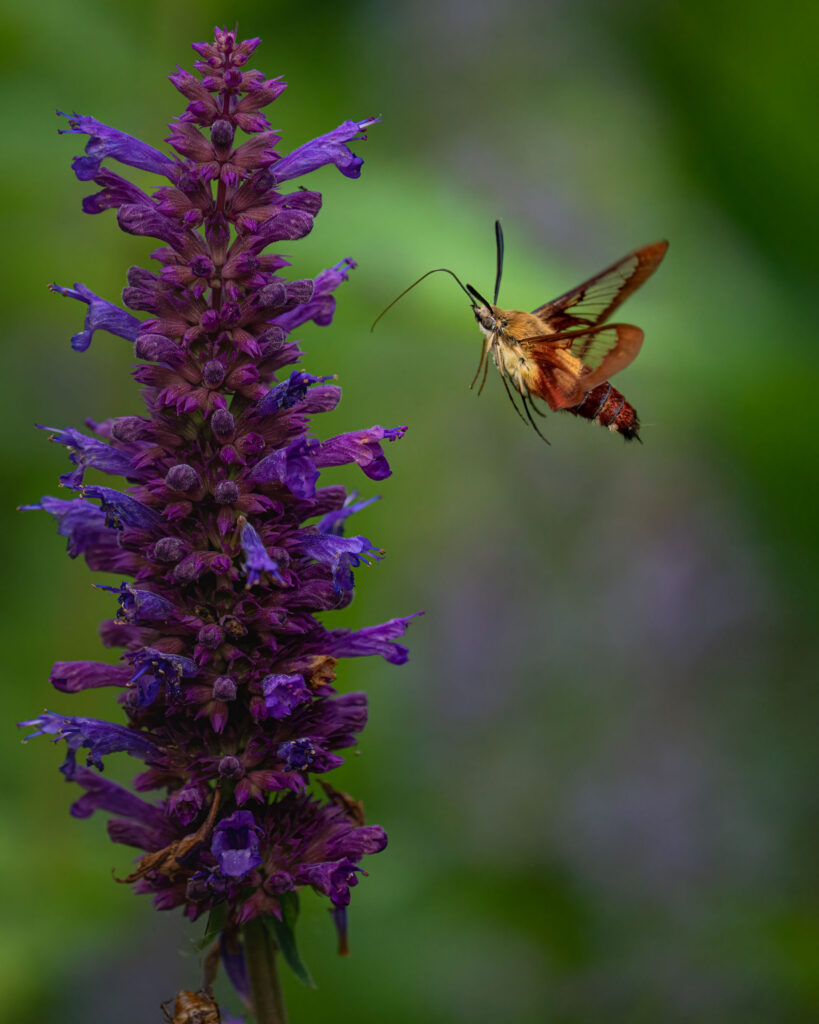
Anise hyssop combines upright purple flower spikes, fragrant foliage, and a long season of interest for visiting bees and butterflies. It grows best in full sun to partial sun with well-drained soil and can fit comfortably into a pollinator border or herb garden. Its small seeds require careful handling; some suppliers recommend cold treatment and surface sowing because light helps germination. Use your packet’s instructions and water gently so the seeds remain in place. The plants may be relatively short-lived, but suitable conditions and self-seeding can help sustain their presence in the garden.
🌻 11. Perennial Black-Eyed Susan (Rudbeckia fulgida)
For this entry, choose the perennial species Rudbeckia fulgida, which forms spreading clumps with yellow flowers and dark centers. It is distinct from Rudbeckia hirta, a familiar black-eyed Susan that may behave as a biennial, short-lived perennial, or annual in cultivation. Winter sowing can provide the cold treatment specified for suitable seed lots. Give established plants sun to partial shade and soil that drains adequately, with consistent moisture during establishment. Seed-grown plants may differ from named cultivars, so check the seed description if a particular height or growth habit matters to your design.
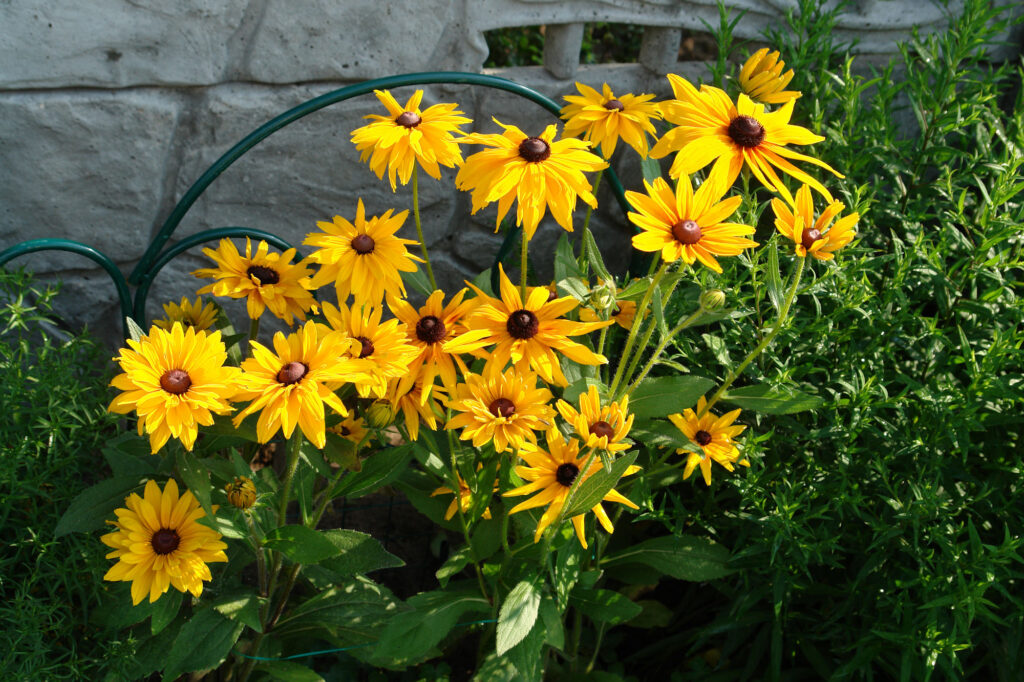
❤️ 12. Cardinal Flower (Lobelia cardinalis)
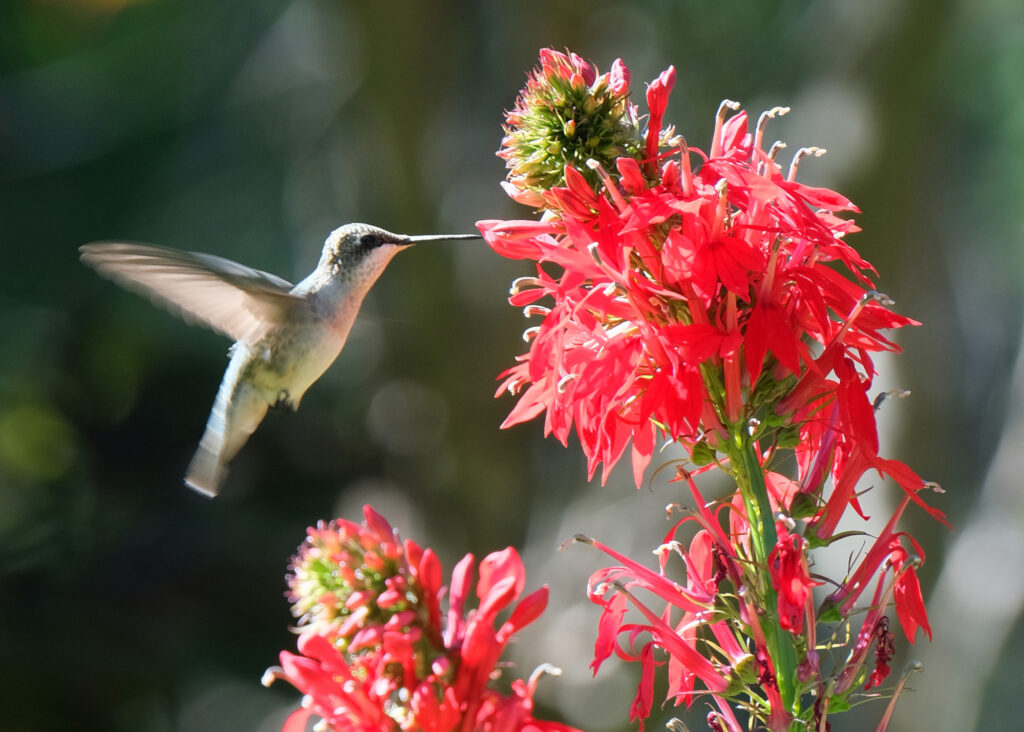
Cardinal flower brings brilliant red flower spikes to moist borders, rain gardens, and suitable pond-edge plantings. Its flowers are particularly attractive to hummingbirds, and afternoon shade can be helpful in hot climates. The tiny seeds are a good reason to read sowing instructions carefully: suppliers commonly recommend cold treatment followed by surface sowing because light is needed for germination. Keep the seed surface from drying out without saturating the container. Cardinal flower can be a short-lived perennial, so allowing successful reseeding and maintaining appropriate moisture can help it remain part of the planting.
💙 13. Great Blue Lobelia (Lobelia siphilitica)
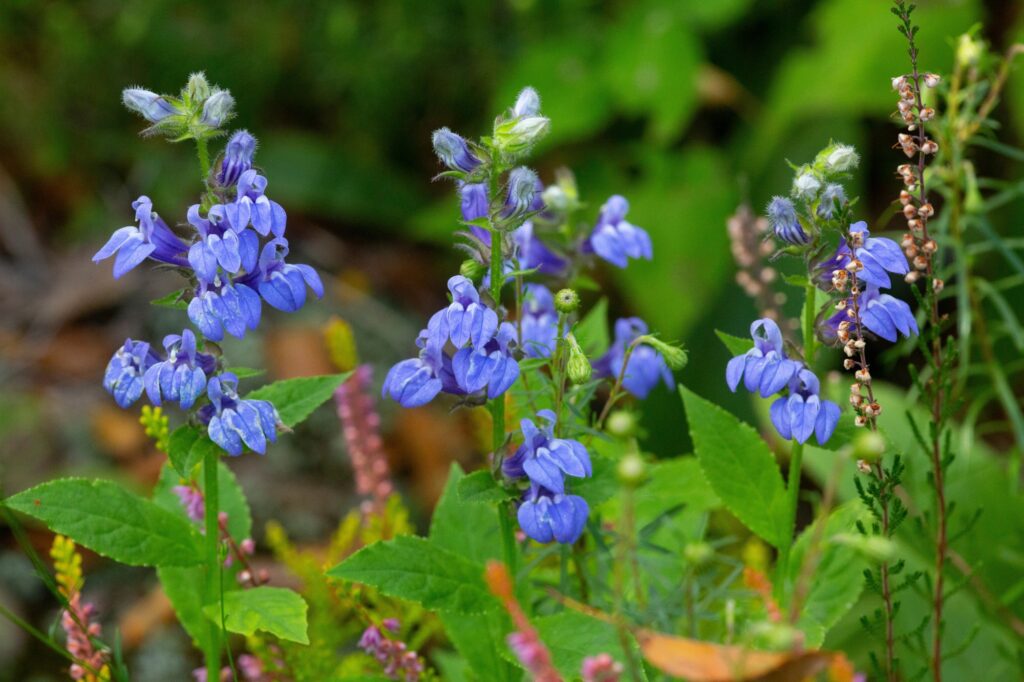
Great blue lobelia offers blue flower spikes from summer into early fall and is especially useful where the soil remains moist. Partial sun suits it well, while a sunnier position requires dependable moisture. It can complement cardinal flower in a damp garden without duplicating its flower color. Like other small-seeded lobelias, it needs careful attention to the packet’s light and sowing-depth requirements; avoid burying fine seed deeply. Monitor moisture closely as seedlings develop, then move them into suitable growing space once they are large enough to handle without damaging their delicate roots.
🌼 14. Golden Alexanders (Zizia aurea)
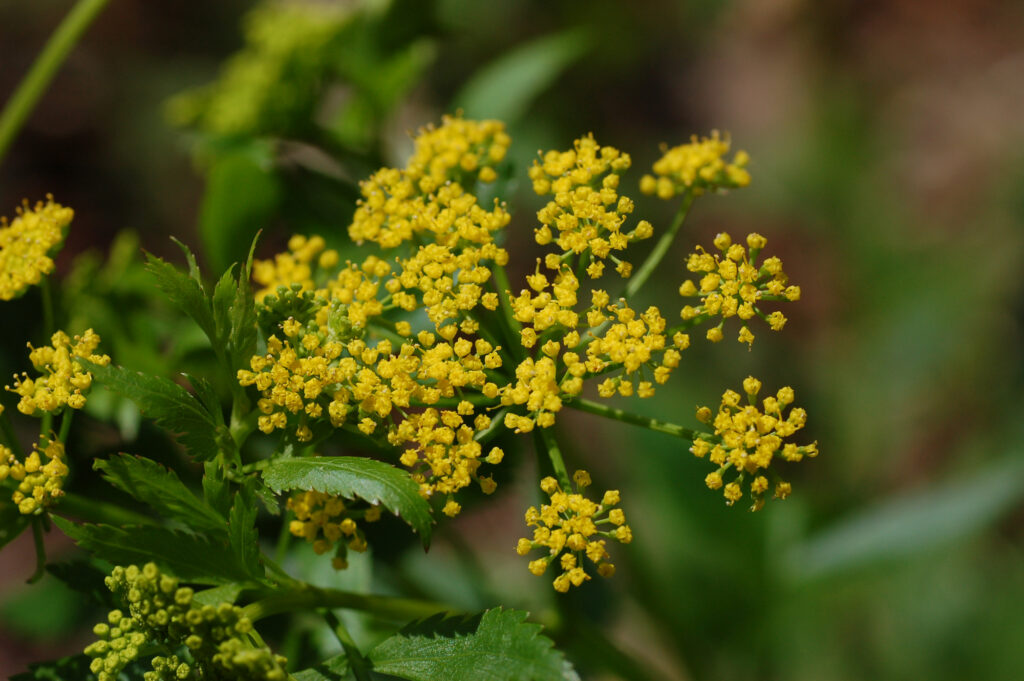
Golden Alexanders produces clusters of small yellow flowers in spring and early summer, helping broaden the bloom season of a native planting. It grows in full sun to partial shade and is useful in average to moist garden conditions. It also serves as a host plant for black swallowtail caterpillars. Give the seeds an early enough start to receive their recommended cold treatment, and allow time for uneven emergence. Some suppliers particularly recommend outdoor fall sowing, so this is a species to plan ahead for rather than adding to a late batch without checking its requirements.
✨ 15. Rattlesnake Master (Eryngium yuccifolium)
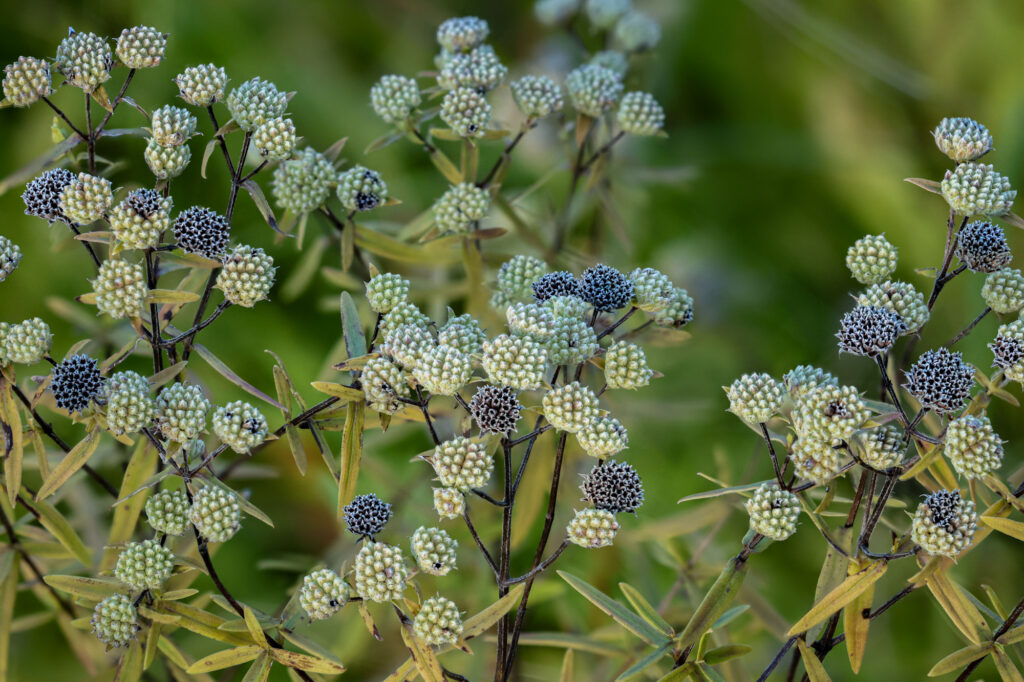
Rattlesnake master adds a different shape to the garden through its stiff, yucca-like leaves and rounded, pale flower heads. It works well among prairie-style perennials and attracts a variety of insects to its flowers. Choose a sunny location with suitable drainage and enough room for its mature height and spread. Winter sowing can provide the cold treatment needed by its seeds, but follow the supplier’s recommended duration. Planting it with contrasting foliage and flower shapes can create interest even when nearby plants are between bloom periods, and its dried structure can remain attractive through winter.
🌫️ 16. Prairie Smoke (Geum triflorum)
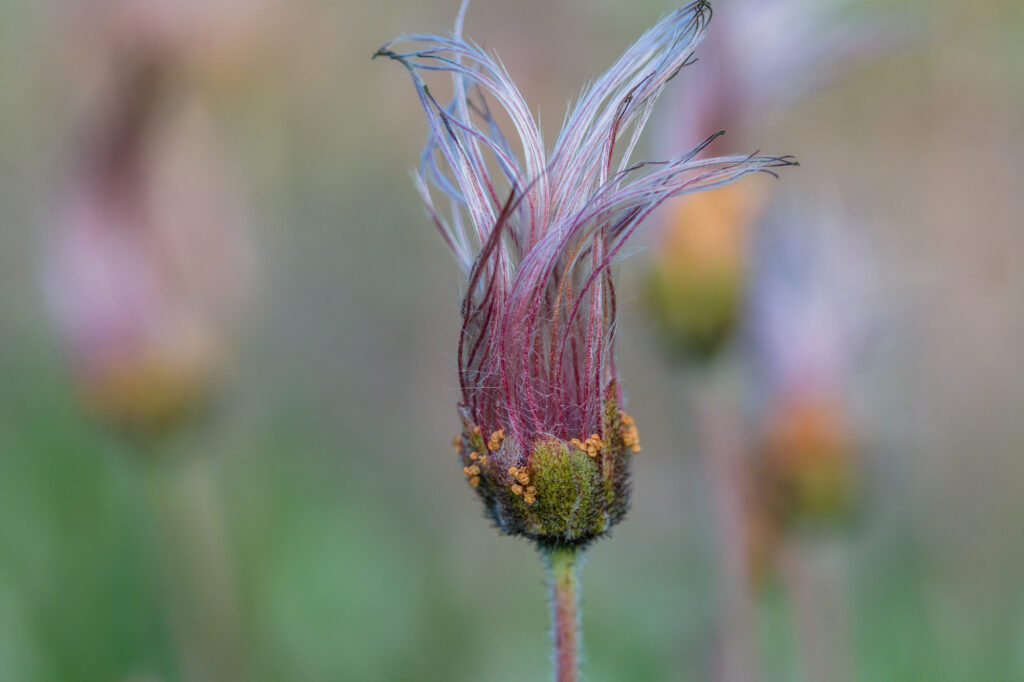
Prairie smoke is a lower-growing perennial admired for the feathery seed heads that follow its pink spring flowers. It suits sunny to lightly shaded sites with well-drained soil and is especially associated with cooler northern prairie regions. This is a more demanding seed project than some other plants on the list: suppliers note that germination and growth can be slow, and outdoor fall sowing may be preferred. Start early, follow any seed-storage instructions, and keep the label in place. It is a rewarding option for gardeners willing to give a small plant time to establish.
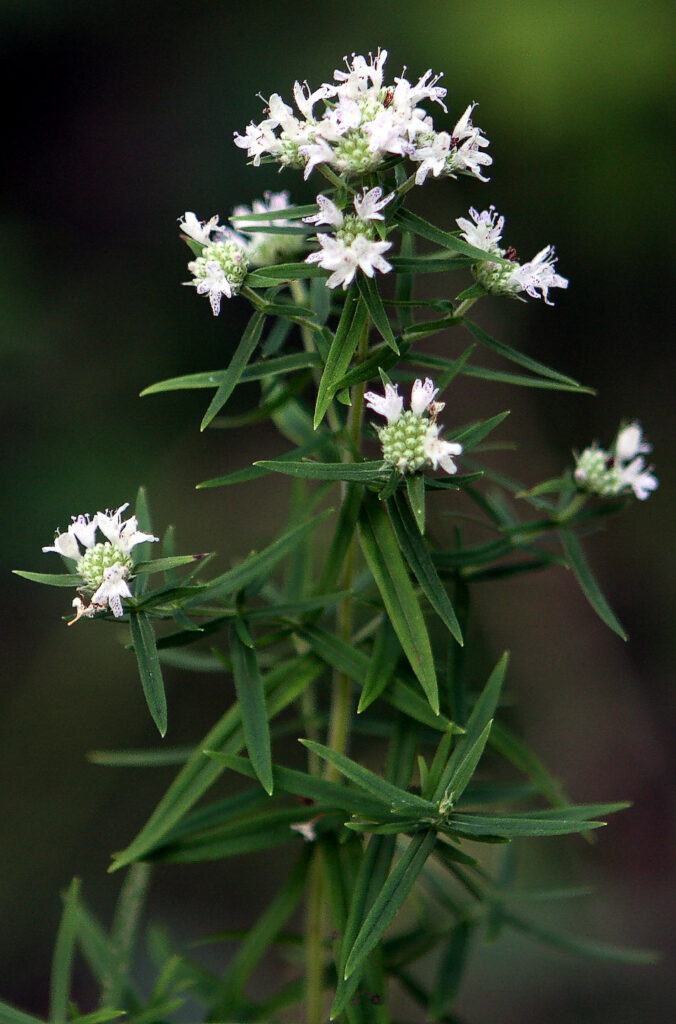
🌿 17. Virginia Mountain Mint (Pycnanthemum virginianum)
Virginia mountain mint produces aromatic foliage and clusters of small pale flowers that attract many kinds of visiting insects. It grows in full sun to partial sun and generally appreciates average to moist soil. Over time, underground stems can create a colony, so choose a location where that spread will fit your plans. Mountain mints commonly germinate without a long cold-treatment requirement, making a later outdoor sowing possible where conditions are suitable. Follow the directions for the fine seed and keep newly germinated plants evenly moist while their roots develop.
🌻 18. Common Sneezeweed (Helenium autumnale)
Common sneezeweed contributes yellow, daisy-like flowers in late summer and fall, helping carry a moist garden’s color beyond midsummer. It can grow several feet tall and suits sunny or lightly shaded sites with consistent moisture. The species commonly germinates without pretreatment, so it does not necessarily need to occupy a container throughout the coldest part of winter. A later batch can be appropriate, guided by your local climate and supplier’s directions. Check the identity of the seed you buy, because named garden heleniums and hybrids may differ from this wild species.
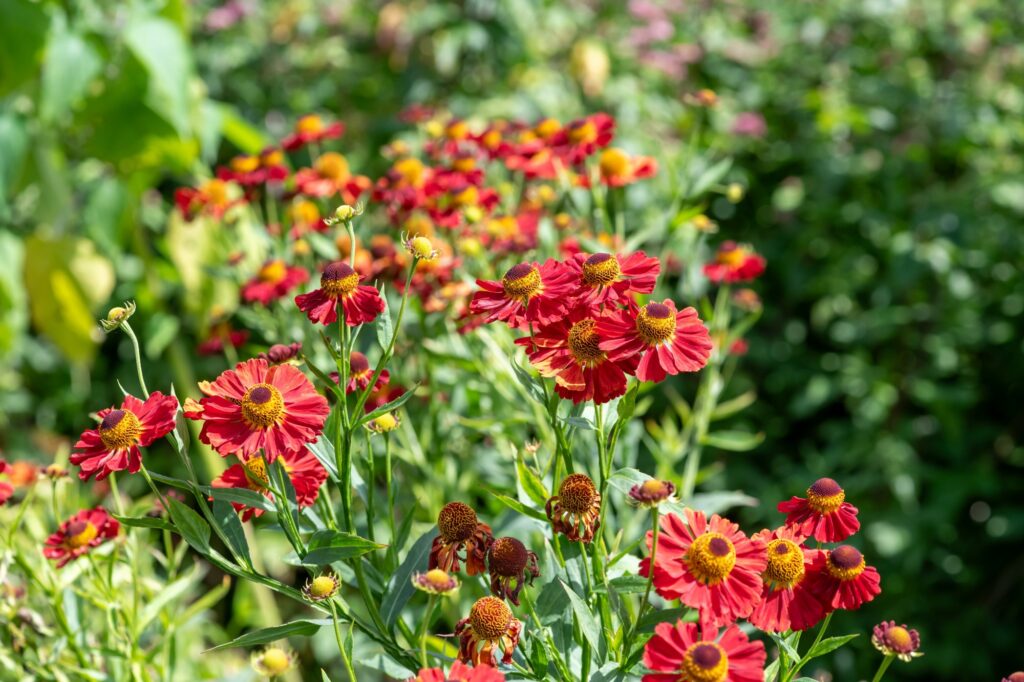
💙 19. Blue False Indigo (Baptisia australis)
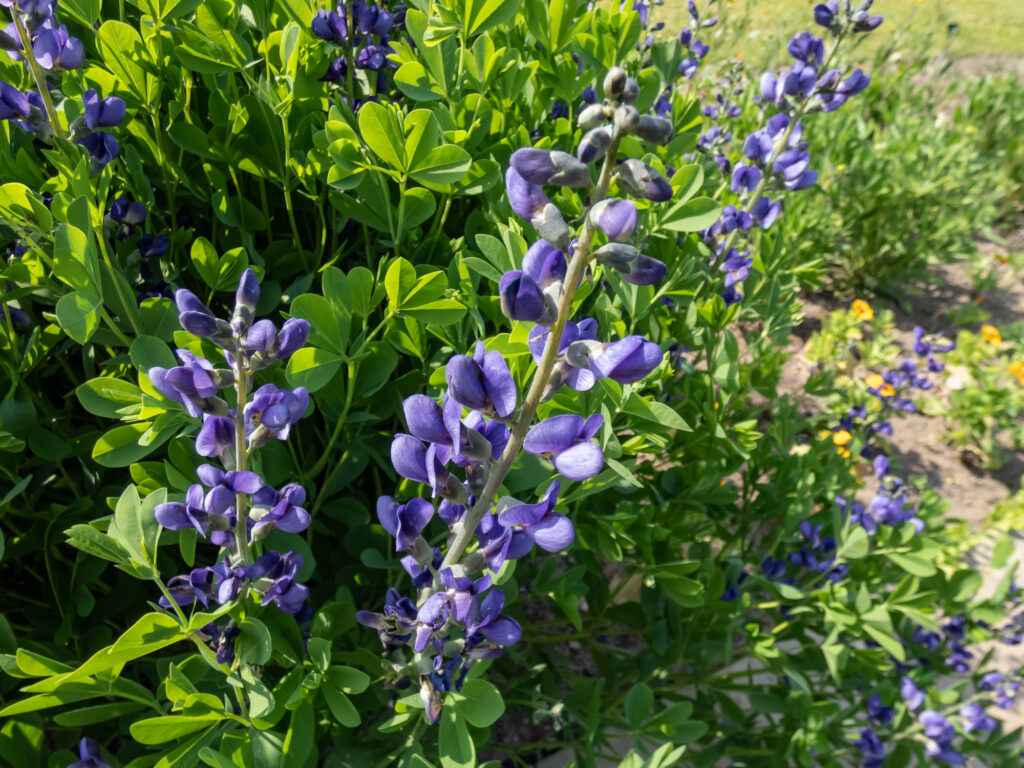
Blue false indigo develops into a substantial clump with blue spring flowers and attractive foliage that remains useful after blooming. Give it sun, well-drained soil, and a permanent position with space for its mature width. Its hard seed coat makes germination instructions particularly important: some protocols include scarification, which weakens the coat, along with a short cold treatment. Use instructions appropriate to your outdoor sowing method instead of applying every pretreatment automatically. Seedlings can take several years to reach an impressive flowering size, but established plants can become a long-lasting feature of the garden.
💜 20. Purple Prairie Clover (Dalea purpurea)
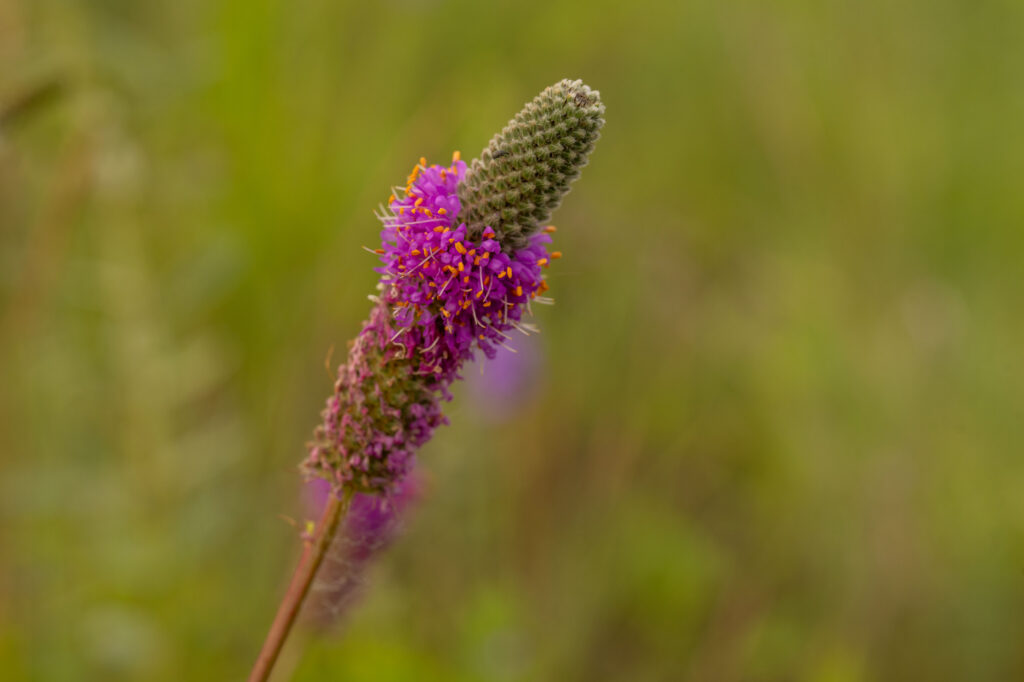
Purple prairie clover combines fine-textured foliage with compact purple flower heads and works well in sunny prairie-style or drought-tolerant plantings. It prefers soil that drains well and develops a substantial taproot as it matures. Seed preparation can depend on how the supplier has processed the seed, so check whether your packet calls for additional treatment; some commercially prepared seed needs none. Outdoor container sowing can help you keep track of young plants before placing them among larger perennials. Give seedlings adequate root space and avoid allowing them to become tightly crowded before transplanting.
🧰 How to Start These Perennials With Winter Sowing
Choose a few species that suit the garden you actually have, then group their packets by germination requirements. Seeds needing a long cold, moist period should be started early enough to receive it. Species without that requirement can often be sown later. In mild-winter climates, a recommended refrigerator treatment may be more dependable for seeds needing substantial chilling.
Use clean containers with drainage and ventilation, such as prepared milk jugs, and fill them with a suitable, well-drained growing mix. Sow one species per container at the specified depth and label it inside and outside. Place containers in an accessible outdoor location protected from strong winds, and check moisture rather than assuming rain or snow supplies everything they need.
Once seedlings appear, monitor more frequently and increase ventilation when sunshine warms the containers. Gradually expose plants to conditions outside their enclosure, and transplant when roots, weather, and soil conditions are suitable. A vented jug offers limited protection from freezing, so emerged seedlings still need care appropriate to their species.
🌸 Will Winter-Sown Perennials Flower the First Year?
Some may flower during their first growing season, but first-year blooms should be treated as a possibility rather than a promise. Many perennials initially devote much of their growth to roots, crowns, and foliage. Butterfly weed, false indigo, and other slower-developing plants may need additional seasons before producing a substantial display.
Judge the first season by healthy growth and successful establishment. Keep labels in place, provide appropriate moisture after transplanting, and allow each plant the time its species needs. A small winter-sowing project can gradually become a useful collection of flowering plants without requiring every seedling to perform like a mature nursery specimen immediately.
🔗 Related Articles
📚 Sources & Further Reading
- Iowa State University Extension: How to Grow Perennials From Seed.
- University of Maryland Extension: Collecting & Sowing Native Plant Seed.
- University of Minnesota Extension: Jug It and Grow: Winter Sowing for Pollinator Gardens.
- Prairie Moon Nursery: How to Germinate Native Seeds.
- Purple coneflower: NC State plant profile and Prairie Moon seed guidance.
- Butterfly weed: NC State plant profile.
- Swamp milkweed: NC State plant profile.
- Wild columbine: NC State plant profile.
- Wild bergamot: NC State plant profile and Prairie Moon seed guidance.
- Dense blazing star: Prairie Moon species and seed profile.
- Foxglove beardtongue: NC State plant profile and Prairie Moon seed guidance.
- New England aster: NC State plant profile.
- Lanceleaf coreopsis: NC State plant profile and Prairie Moon seed guidance.
- Anise hyssop: NC State plant profile and Prairie Moon seed guidance.
- Perennial black-eyed Susan: NC State plant profile.
- Cardinal flower: NC State plant profile and Prairie Moon seed guidance.
- Great blue lobelia: NC State plant profile.
- Golden Alexanders: NC State plant profile and Prairie Moon seed guidance.
- Rattlesnake master: NC State plant profile and Prairie Moon seed guidance.
- Prairie smoke: Prairie Moon species and seed profile.
- Virginia mountain mint: NC State plant profile and Prairie Moon seed guidance.
- Common sneezeweed: NC State plant profile and Prairie Moon seed guidance.
- Blue false indigo: NC State plant profile and Prairie Moon seed guidance.
- Purple prairie clover: NC State plant profile and Prairie Moon seed guidance.