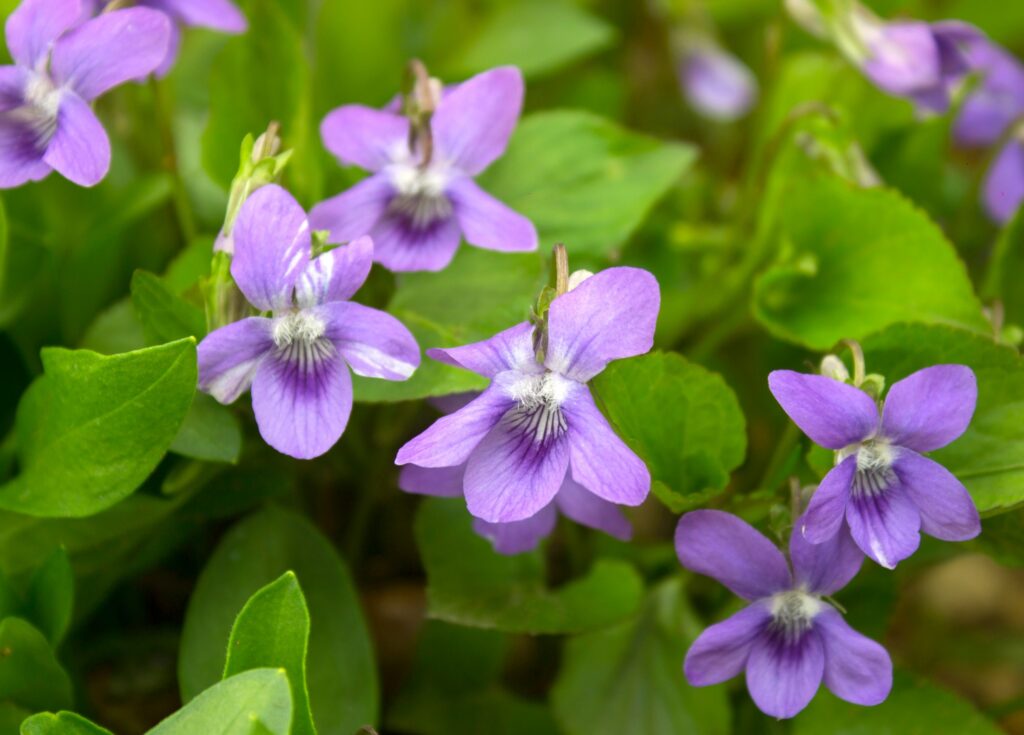
Violas are small flowers with an outsized presence in the garden. Their cheerful blooms appear in shades of purple, blue, yellow, white, cream, burgundy, orange, and countless bicolors, often with darker markings that give each flower a distinctive face-like appearance.
They are especially valuable because they thrive during cooler weather, when many warm-season annuals are either just getting started or already fading. Depending on climate and variety, violas can bloom from early spring into summer, return in fall, or even flower through winter in mild regions.
The name viola covers a large and diverse group of plants in the genus Viola. Some are annuals, some biennials, and some short-lived perennials. Gardeners often use the term loosely for small-flowered bedding violas, while pansies are larger-flowered hybrids within the same general group.
Although they are easy to grow, violas perform best when given the right combination of cool temperatures, fertile but well-drained soil, consistent moisture, and regular deadheading. In hot climates, summer heat is usually the main challenge.
With good care, these compact flowers can bloom for months in garden beds, containers, window boxes, borders, and woodland-style plantings.
🌸 Violas at a Glance
- Botanical genus: Viola
- Plant type: Annual, biennial, or short-lived perennial depending on species and climate
- Family: Violaceae
- Sun: Full sun to partial shade
- Best temperatures: Cool to mild
- Soil: Fertile, well-drained soil
- Soil pH: Slightly acidic to neutral
- Height: Often about 4 to 10 inches
- Spread: Usually about 6 to 12 inches
- Bloom season: Spring, fall, and winter in mild climates
- Water: Consistent moisture without waterlogging
- Deadheading: Encourages continued flowering
- Propagation: Seed, division for perennial types
- Pollinators: Can attract small bees and other insects
- Containers: Excellent
- Main challenge: Heat stress
🌿 What Is a Viola?
Violas belong to the genus Viola, which includes hundreds of species.
Garden violas may include:
- Bedding violas
- Johnny-jump-ups
- Violets
- Horned violets
- Pansies
- Perennial woodland violets
One of the most familiar garden violas is Viola cornuta, often called horned violet.
Johnny-jump-up is commonly associated with Viola tricolor, a species that contributed to the development of modern pansies.
Because hybridization is common, nursery labels may list cultivars simply as “Viola” rather than providing a precise species.
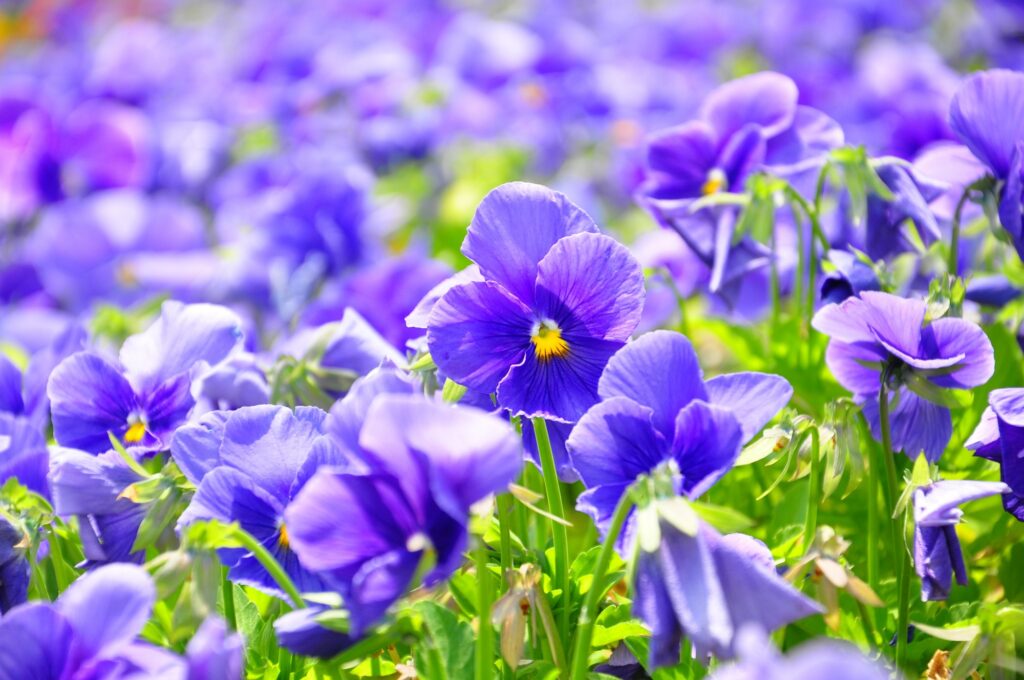
🌸 Viola vs. Pansy
Violas and pansies are closely related but are not exactly the same in garden use.
Pansies generally have:
- Larger flowers
- Fewer blooms per plant
- Broader petals
- More dramatic face-like markings
Violas usually have:
- Smaller flowers
- More flowers per plant
- A more delicate appearance
- Better persistence through variable weather in many climates
Both prefer cool growing conditions.
Many gardeners use them together because their care requirements are very similar.
☀️ How Much Sun Do Violas Need?
Violas grow best in full sun to partial shade.
In cool spring weather, full sun often produces the strongest flowering.
In warm climates, however, afternoon shade can help plants last longer.
A good location may provide:
- Morning sun
- Light midday sun
- Protection from intense late-afternoon heat
In mild climates, full sun is usually fine.
In hot regions, some afternoon shade can dramatically extend the bloom season.
🌡️ Violas Prefer Cool Weather
Violas are cool-season flowers.
They perform best when temperatures are moderate rather than hot.
Cool conditions encourage:
- Compact growth
- More flowers
- Stronger color
- Longer bloom periods
As temperatures rise, plants may become:
- Leggy
- Sparse
- Less floriferous
Extreme summer heat may cause flowering to stop altogether.
❄️ Are Violas Frost-Tolerant?
Yes.
Violas tolerate light frost surprisingly well.
Many cultivars can continue blooming through chilly weather and may survive temperatures below freezing for brief periods.
In colder climates, severe winter weather may eventually kill annual forms or force perennial types into dormancy.
In mild regions, violas can be excellent winter bedding plants.
🌱 Best Soil for Violas
Violas prefer fertile, well-drained soil that stays moderately moist.
Ideal soil should be:
- Loose
- Rich in organic matter
- Moisture-retentive
- Well drained
They dislike both extremes.
Soil that dries out constantly can shorten the bloom season, while soggy soil can encourage root and crown problems.
🧪 What Soil pH Do Violas Prefer?
Violas generally grow well in slightly acidic to neutral soil.
A range around pH 5.5 to 7.0 is suitable for most garden violas.
Perfect precision is not usually necessary.
Good drainage, moisture, and temperature matter more than chasing a single pH number.
📅 When Should You Plant Violas?
Planting time depends on climate.
Cool and Temperate Climates
Plant in:
- Early spring
- Late summer
- Early fall
Spring-planted violas may bloom until summer heat becomes intense.
Fall-planted violas can establish before winter and may return strongly in spring.
Mild-Winter Climates
Plant in fall.
In these regions, violas may bloom throughout much of winter and continue into spring.
🌱 Can You Grow Violas From Seed?
Yes.
Violas grow readily from seed.
Start seeds indoors roughly 8 to 12 weeks before you want flowers, depending on variety and growing conditions.
You can also sow directly outdoors where winters are mild or where the soil is cool enough for reliable germination.
The seeds are small, so handle them carefully.
🌑 Do Viola Seeds Need Darkness to Germinate?
Many viola seeds germinate best when lightly covered.
Sow them shallowly in seed-starting mix and cover with a thin layer of medium.
Keep the soil evenly moist.
Cool temperatures generally improve germination.
Do not bury the seeds deeply.
🌱 How Long Do Viola Seeds Take to Germinate?
Germination often takes around 7 to 21 days, although timing varies with temperature and variety.
Cool, steady conditions usually produce the best results.
If temperatures are too warm, germination may become slower or less consistent.
Patience is important.
🌿 Starting Violas Indoors
Fill seed trays with a fine seed-starting mix.
Sow the seeds shallowly.
Keep the medium moist but not soggy.
Once seedlings emerge, provide bright light.
Seedlings grown in inadequate light may become:
- Tall
- Thin
- Weak
After several true leaves develop, transplant seedlings into individual cells or small pots if they are overcrowded.
🌱 Hardening Off Viola Seedlings
Before transplanting indoor-grown violas outside, harden them gradually.
Over about a week:
- Place seedlings outside in a sheltered location.
- Start with a few hours.
- Increase their exposure each day.
- Protect them from severe wind and midday sun at first.
- Gradually expose them to their final conditions.
This reduces transplant shock.
🌸 How to Plant Violas
Violas are easy to transplant.
Space most bedding violas about 6 to 8 inches apart.
Larger perennial varieties may need more room.
Plant at the same depth they were growing in their nursery container.
Avoid burying the crown deeply.
Water thoroughly after planting.
📏 How Far Apart Should Violas Be Planted?
For most bedding violas:
- 6 inches apart creates a relatively dense display.
- 8 to 10 inches apart gives plants more room to expand.
Spacing depends on cultivar.
Compact varieties can be planted more closely.
Larger perennial forms need more space.
💧 How Often Should Violas Be Watered?
Violas prefer consistent moisture.
Water when the upper inch or so of soil begins to dry.
Do not rely on a rigid schedule because conditions vary with:
- Temperature
- Wind
- Soil
- Rainfall
- Container size
During cool weather, plants may need relatively little supplemental water.
During dry spring conditions, they may need much more.
🚫 Avoid Soggy Soil
Violas need moisture, but their roots should not sit in saturated ground.
Constantly wet soil can encourage:
- Root rot
- Crown rot
- Fungal disease
- Yellow foliage
If a planting area remains wet for days after rainfall, improve drainage or move the plants.
🌿 Should You Mulch Violas?
A light mulch can be useful.
It helps:
- Conserve moisture
- Reduce weeds
- Moderate soil temperature
Good options include:
- Shredded leaves
- Fine bark
- Light compost
Do not bury the crown under heavy mulch.
Air circulation around the plant remains important.
🌾 Do Violas Need Fertilizer?
Violas benefit from moderate fertility.
Before planting, finished compost can improve garden soil.
In containers, a balanced fertilizer may be useful according to product directions.
Avoid excessive nitrogen.
Too much nitrogen can produce:
- Large leaves
- Soft growth
- Fewer flowers
The goal is balanced growth, not maximum foliage.
🌸 How to Keep Violas Blooming
The most important practices are:
- Keep plants cool.
- Water consistently.
- Deadhead spent flowers.
- Fertilize lightly.
- Remove yellow or damaged leaves.
- Provide afternoon shade in hot weather.
Violas flower best when they are not stressed by heat or drought.
✂️ Should You Deadhead Violas?
Yes.
Regular deadheading encourages the plant to keep producing new flowers instead of putting energy into seed production.
Pinch or snip off:
- Faded flower
- Short flower stem
- Developing seedpod
Removing only the petals while leaving the seed structure behind is less effective.
🌱 Can Violas Self-Seed?
Yes.
Many violas self-seed readily.
Johnny-jump-ups are especially famous for appearing unexpectedly around the garden.
If you want natural reseeding, leave some late-season flowers in place.
Allow the seed capsules to mature.
The plants may reappear:
- In nearby borders
- Between paving stones
- At the edge of paths
- In gravel
- In containers
This can create a charming informal effect.
🌿 Can Violas Become Weedy?
Some types can spread more enthusiastically than expected.
Self-seeding cultivars may appear throughout the garden.
If you do not want volunteers, deadhead before seeds mature.
Wild violets can also spread through underground structures as well as seed and may be difficult to remove once established in lawns or beds.
Know which species you are planting.
☀️ Why Do Violas Stop Blooming in Summer?
Heat is usually the reason.
Violas naturally prefer cooler conditions.
As temperatures rise, plants may:
- Produce fewer flowers
- Stretch
- Become sparse
- Decline completely
This does not necessarily indicate poor care.
In hot climates, violas are best treated as cool-season annuals.
Replace them with heat-loving plants once summer arrives.
Petunias, Zinnias, and Marigolds can take over as weather warms.
✂️ Can You Cut Violas Back?
Yes.
If plants become leggy but temperatures are still favorable, trimming them back can encourage fresh growth.
Cut back roughly one-third of the plant.
Remove:
- Weak stems
- Spent blooms
- Yellow foliage
Water afterward.
A light feeding may help if the soil is depleted.
Do not expect hard pruning to rejuvenate violas during intense summer heat.
🌿 Do Violas Come Back Every Year?
Sometimes.
It depends on:
- Species
- Cultivar
- Climate
- Winter conditions
- Summer conditions
Some are true perennials.
Others behave as annuals or biennials.
Even when the original plant dies, self-seeding may create the impression that the same viola returns year after year.
🌱 Perennial Violas
Perennial species and cultivars can return for several seasons under suitable conditions.
Examples include some forms of:
- Viola cornuta
- Viola odorata
- Native violet species
Perennial violas often prefer cooler climates and may decline during extremely hot summers.
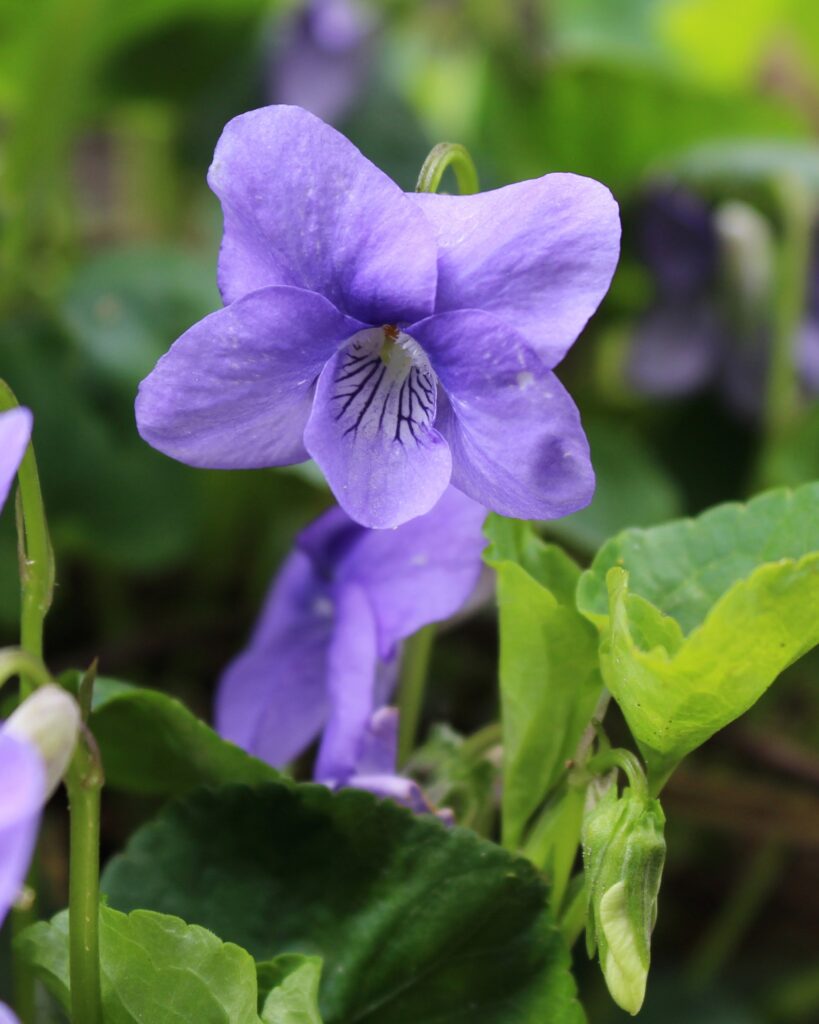
🌸 Sweet Violet
Sweet violet, Viola odorata, is a fragrant perennial species.
It typically produces:
- Purple or white flowers
- Heart-shaped leaves
- A distinctive sweet fragrance
It can spread by both seed and creeping growth.
In favorable conditions, sweet violet can form substantial colonies.
🌿 Johnny-Jump-Up
Johnny-jump-up, Viola tricolor, is one of the classic small violas.
Its flowers commonly combine:
- Purple
- Yellow
- White
It self-seeds readily and is particularly well suited to cottage gardens and informal borders.
The plants are compact and produce many small flowers.
🌼 Horned Violet
Viola cornuta, commonly called horned violet, has been widely used in garden breeding.
It produces abundant flowers and tends to be more compact than many pansies.
Numerous modern viola hybrids have V. cornuta in their ancestry.
It is especially useful for edging, containers, and cool-season bedding.
🌸 Are Viola Flowers Edible?
Many violas and violets have edible flowers, but only use flowers that have been positively identified and grown without unsafe chemical treatments.
They may be used as garnishes on:
- Cakes
- Salads
- Desserts
- Drinks
Some are also candied.
Do not eat flowers from garden centers unless you know they were grown for edible use.
Never consume an unidentified plant.
🐝 Do Violas Attract Pollinators?
Yes.
Viola flowers can provide nectar or pollen for small bees and other insects.
Their early flowering period can be especially useful when relatively few other garden plants are blooming.
They pair nicely with early flowers such as Crocus and later-season plants such as Bee Balm and Coreopsis.
🪴 Are Violas Good Container Plants?
Yes.
Violas are excellent in containers.
Their compact size makes them ideal for:
- Window boxes
- Hanging baskets
- Patio pots
- Mixed containers
- Porch planters
Use a pot with drainage holes.
Fill it with quality potting mix rather than garden soil.
Container-grown violas may need more frequent watering than plants in the ground.
🪴 Violas in Mixed Containers
Violas combine beautifully with other cool-season plants.
Possible companions include:
- Ornamental kale
- Snapdragons
- Dusty miller
- Small spring bulbs
- Primroses
- Cool-season herbs
Their low habit makes them ideal near the container edge.
They can spill slightly without overwhelming taller plants.
🌷 Plant Violas Over Spring Bulbs
Violas are excellent companions for spring-flowering bulbs and corms.
Plant them over or around:
- Crocuses
- Daffodils
- Tulips
- Hyacinths
The violas fill the soil surface while bulb foliage and flowers rise above them.
For early-season inspiration, see Crocus Care.
🌳 Can Violas Grow Under Trees?
Yes, especially beneath deciduous trees.
In spring, the site may receive plenty of sunlight before the tree canopy fully leafs out.
Later, increasing shade helps protect the violas from summer heat.
This can work particularly well with perennial woodland violet species.
Avoid extremely dry soil beneath large trees where root competition is intense.
🌸 Violas as Border Plants
Their low-growing habit makes violas excellent along:
- Paths
- Bed edges
- Raised beds
- Steps
- Stone borders
They create a soft transition between taller plants and hard landscape surfaces.
Planting one color in broad drifts creates a formal effect.
Mixed colors produce a more informal cottage-garden look.
🌱 Violas in Rock Gardens
Small perennial violas can work well in rock gardens if moisture remains adequate.
They look attractive around:
- Stones
- Gravel
- Low perennials
- Small ornamental grasses
Avoid planting moisture-loving varieties in extremely hot, dry rock gardens.
Species differ in tolerance.
🌿 Companion Plants for Violas
Because violas bloom during cool weather, they work particularly well with spring- and fall-interest plants.
Good possibilities include:
- Crocus
- Hellebore
- Virginia Bluebells
- Trillium
- Petunias for seasonal transition
- Marigolds for summer color
Choose companions with compatible light and moisture requirements.
🐌 Common Viola Pests
Potential pests include:
- Slugs
- Snails
- Aphids
- Spider mites
- Caterpillars
Young plants are particularly vulnerable to slug and snail damage.
Inspect foliage regularly.
Early treatment is easier than dealing with severe damage.
🐌 Slugs and Snails
Slugs and snails may chew irregular holes in leaves and flowers.
They are especially active during:
- Damp weather
- Cool nights
- Dense growth
Reduce hiding places and monitor plants after rain.
Hand-picking can work well in small gardens.
If pressure is high, use a control method appropriate for your garden and local conditions.
🐜 Aphids on Violas
Aphids may cluster around:
- New shoots
- Flower stems
- Leaf undersides
Heavy infestations can distort growth.
Natural predators often help keep populations low.
A strong stream of water can dislodge aphids from sturdy plants.
Avoid broad-spectrum insecticides when unnecessary.
🕷️ Spider Mites
Spider mites are more likely during hot, dry weather.
Symptoms may include:
- Stippled leaves
- Bronzing
- Fine webbing
Heat-stressed violas may already be declining, so severe mite infestations often signal that the season is becoming too warm for the plants.
🍄 Common Viola Diseases
Potential problems include:
- Powdery mildew
- Downy mildew
- Leaf spots
- Botrytis
- Root rot
- Crown rot
Disease pressure rises when plants are:
- Overcrowded
- Overwatered
- Poorly ventilated
- Kept wet overnight
Good spacing and drainage prevent many problems.
🍄 Powdery Mildew
Powdery mildew produces a white or gray powdery coating on leaves.
It becomes more common when plants experience:
- Poor airflow
- Humidity
- Stress
- Dense growth
Remove severely affected leaves.
Improve air circulation.
Avoid excessive nitrogen fertilizer.
🌧️ Botrytis Gray Mold
Botrytis may attack flowers and foliage during cool, wet weather.
Symptoms can include:
- Brown petals
- Soft decay
- Gray fuzzy growth
Deadhead regularly and remove decaying plant material.
Avoid leaving old wet flowers packed into the center of the plant.
💧 Root and Crown Rot
These problems are most likely in poorly drained soil.
Symptoms may include:
- Yellowing
- Wilting
- Stunted growth
- Collapse
If roots remain constantly wet, moving the plant may be the only solution.
Improve drainage before replanting the area.
❓ Why Are My Violas Leggy?
Common causes include:
- Heat
- Too much shade
- Overfertilizing
- Aging
If temperatures remain cool enough, trim plants back.
If midsummer heat has arrived, replacing them may be more practical.
❓ Why Aren’t My Violas Blooming?
Possible causes include:
- Excessive heat
- Too much nitrogen
- Insufficient light
- Drought
- Plants setting seed
- Poor establishment
Deadheading and cooler temperatures often restore flowering.
❓ Why Are Viola Leaves Yellow?
Possible causes include:
- Overwatering
- Poor drainage
- Nutrient deficiency
- Root rot
- Natural aging
- Heat stress
Check soil moisture first.
Yellow plants growing in constantly wet soil may be suffering root problems.
❓ Why Are Viola Leaves Curling?
Possible reasons include:
- Aphids
- Drought
- Heat
- Herbicide exposure
- Other insects
Inspect the leaves closely, especially the undersides and newest growth.
❓ Why Are My Viola Flowers Small?
Small flowers may result from:
- Heat
- Drought
- Poor nutrition
- Plant age
- Natural cultivar characteristics
Remember that many true violas naturally have much smaller flowers than pansies.
Small flowers are not necessarily a problem.
❓ Why Did My Violas Die in Summer?
They probably became too hot.
Violas are naturally adapted to cooler weather.
In climates with hot summers, they are usually best treated as seasonal plants.
Replace them with heat-loving flowers rather than trying to force them through conditions they dislike.
❓ Will Violas Bloom Again in Fall?
Sometimes.
If plants survive summer heat in partial shade, cutting them back may encourage fall flowering as temperatures cool.
However, in very hot climates, it is often easier to plant fresh violas in fall.
New plants usually establish and flower more vigorously.
🌱 Can You Divide Violas?
Perennial violas can sometimes be divided.
The best time is usually during cool weather in:
- Early spring
- Early fall
Dig the clump carefully.
Separate it into smaller pieces, making sure each section has both roots and growing points.
Replant promptly and water well.
Annual bedding violas are normally replaced rather than divided.
🌱 Saving Viola Seeds
If you want to save seed, allow some flowers to remain on the plant.
Seed capsules develop after flowering.
Collect them before they split open and scatter their contents.
Allow the capsules to dry in a protected location.
Keep seeds cool and dry until planting.
Hybrid cultivars may not produce seedlings identical to the parent plant.
🌸 Do Violas Cross-Pollinate?
They can.
Closely related violas growing together may cross.
Seedlings from hybrid cultivars can produce surprising flower colors and forms.
For gardeners who enjoy experimentation, this can be part of the fun.
If you need an exact cultivar, buy seed or plants from a reliable source rather than depending on saved hybrid seed.
🍂 Viola Care in Fall
Fall can be one of the best seasons for violas.
As temperatures cool:
- Plant new starts.
- Deadhead regularly.
- Maintain consistent moisture.
- Remove diseased leaves.
- Add light mulch in cold climates.
Fall-planted violas may bloom for weeks before winter.
In mild climates, they may continue flowering much longer.
❄️ Viola Care in Winter
Winter care depends on climate.
In mild regions:
- Continue watering during dry periods.
- Deadhead when necessary.
- Protect containers from severe cold snaps.
In colder areas:
- Plants may become dormant.
- Mulch can moderate temperature fluctuations.
- Snow cover may protect perennial types.
Do not overwater dormant plants.
🌱 Viola Care in Spring
Spring is usually peak viola season.
Focus on:
- Removing damaged winter foliage
- Light feeding if needed
- Deadheading
- Watering during dry spells
- Monitoring slugs and aphids
As the weather warms, watch for signs of heat stress.
☀️ Viola Care in Summer
In cool-summer regions, violas may continue blooming.
Provide:
- Moist soil
- Afternoon shade
- Regular deadheading
In hot climates, plants often decline naturally.
At that point, replace them with warm-season flowers such as Zinnias, Marigolds, or Petunias.
🌸 Are Violas Easy to Grow?
Yes.
The basic care routine is simple:
- Plant during cool weather.
- Choose full sun or partial shade.
- Use fertile, well-drained soil.
- Space plants about 6 to 8 inches apart.
- Water consistently.
- Avoid waterlogged roots.
- Fertilize lightly.
- Deadhead regularly.
- Trim leggy plants.
- Provide afternoon shade as temperatures rise.
- Monitor slugs, aphids, and fungal disease.
- Allow selected plants to self-seed if desired.
- Replace plants when summer heat causes permanent decline.
The biggest mistakes are overwatering, planting in deep shade, overfertilizing, and expecting cool-season violas to thrive through extreme summer heat.
🌸 Final Thoughts
Violas are small plants that can transform a garden during the cooler months.
Their flowers may be delicate, but the plants themselves are surprisingly resilient. Many tolerate frost, bloom during chilly weather, and continue producing flowers when warmer-season annuals are nowhere to be seen.
Success comes from working with their natural preferences.
Plant violas when temperatures are cool. Give them fertile, well-drained soil and enough sunlight to bloom strongly, while offering some afternoon shade in climates where spring heat arrives quickly. Keep the soil moderately moist, but never soggy.
Regular deadheading is one of the easiest ways to extend the display. When plants begin putting their energy into seed, flower production slows. Removing faded blooms redirects that energy back into new buds.
As summer arrives, do not be discouraged if the plants begin declining. Violas are cool-season performers, and in hot climates their job is often finished by early summer. Replace them with heat-loving flowers, then bring violas back again when autumn temperatures fall.
Whether planted along a path, tucked beneath spring bulbs, spilling from a window box, or allowed to self-seed through a cottage garden, violas bring color at precisely the times of year when the garden needs it most.
🔗 Related Articles
- Crocus Care
- Hellebore Care
- Virginia Bluebell Care
- Trillium Care
- Petunia Care
- Marigold Care
- Zinnia Care
- Coreopsis Care