Category: Gardening Tips

Pussy Willow Care

Pussy willow is a fast-growing deciduous shrub or small tree best known for the soft, silvery catkins that cover its bare branches in late winter and early spring. Botanically known as Salix discolor, the North American pussy willow is native across a large portion of Canada and the northern United States, where it naturally grows …

Continue reading

Thrift Care

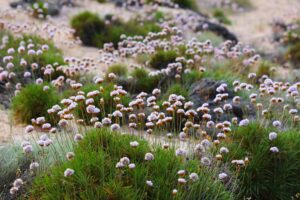
Thrift is a compact evergreen perennial prized for its tidy grassy foliage and rounded clusters of pink, rose, lavender, or white flowers. Botanically known as Armeria maritima, it is also commonly called sea thrift or sea pink and is naturally associated with coastal cliffs, sandy ground, rocky slopes, and other exposed places where drainage is …

Continue reading

Dill Care: How to Grow, Harvest & Use Fresh Dill

Dill is a fast-growing annual herb prized for its feathery foliage, yellow flower umbels, aromatic seeds, and unmistakable fresh flavor. Botanically known as Anethum graveolens, dill is easy to grow from seed and can provide both fresh leaves and mature seeds from a relatively small garden space. Unlike many perennial herbs, dill completes its life …

Continue reading

When to Plant Sunflowers: Best Time to Sow Seeds for Summer Blooms

Sunflowers are among the easiest flowers to grow from seed, but planting them at the right time can make the difference between strong, fast-growing plants and seedlings that struggle in cold soil. For most gardeners, the best time to plant sunflowers is in spring after the danger of frost has passed and the soil has …

Continue reading

How to Successfully Propagate a Snake Plant

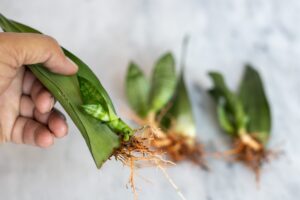
Snake plants are among the easiest houseplants to propagate, but the best method depends on the type of plant you have and whether you want the new plant to look exactly like its parent. Mature snake plants naturally spread through underground rhizomes, producing new shoots or pups that can be separated and replanted. They can …

Continue reading

How to Repot a Plant: Step-by-Step Guide for Healthy Roots and New Growth

Repotting is one of the most important parts of long-term plant care. As a plant grows, its roots gradually fill the container, potting mix breaks down, drainage can decline, and the plant may begin drying out much faster than it once did. Moving it into fresh soil — and, when necessary, a slightly larger pot …

Continue reading

Embracing Nature’s Wild Side: The Beauty of Chaos Gardening

Gardening is often presented as an exercise in control. Seeds are planted at precise intervals, flowers are arranged by height and color, borders are carefully edged, and anything appearing where it was not specifically invited may immediately be labeled a weed. Chaos gardening takes almost the opposite approach. Instead of deciding exactly where every plant …

Continue reading

Coffee Grounds for Tomato Plants: Benefits, Risks & How to Use Them Safely

Coffee grounds are one of the most commonly recommended kitchen scraps for the garden. Save them from your morning coffee, sprinkle them around your tomato plants, and supposedly they will add nitrogen, acidify the soil, repel slugs, attract earthworms, prevent disease, and produce enormous tomatoes. Unfortunately, many of those claims are exaggerated. Used coffee grounds …

Continue reading

Coffee Grounds for Hydrangeas: Do They Change Color? Benefits, Risks & Safe Use

Coffee grounds are frequently recommended as a natural amendment for hydrangeas. One of the most persistent pieces of gardening advice claims that spreading used coffee grounds around a hydrangea will acidify the soil and turn its flowers blue. The reality is more complicated. Used coffee grounds can be a useful addition to compost because they …

Continue reading

Coffee Grounds in the Garden: Benefits, Risks & How to Use Them Safely

Used coffee grounds are one of the most popular kitchen scraps to reuse in the garden. They are easy to collect, contain organic material and nutrients, and seem like an obvious candidate for recycling rather than throwing away. That has led to a long list of claims. Coffee grounds are often said to acidify soil, …

Continue reading