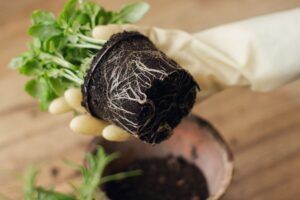
Repotting is one of the most important parts of long-term plant care. As a plant grows, its roots gradually fill the container, potting mix breaks down, drainage can decline, and the plant may begin drying out much faster than it once did. Moving it into fresh soil — and, when necessary, a slightly larger pot …

Category: Gardening Tips
May 24
Embracing Nature’s Wild Side: The Beauty of Chaos Gardening
Gardening is often presented as an exercise in control. Seeds are planted at precise intervals, flowers are arranged by height and color, borders are carefully edged, and anything appearing where it was not specifically invited may immediately be labeled a weed. Chaos gardening takes almost the opposite approach. Instead of deciding exactly where every plant …
May 19
Coffee Grounds for Tomato Plants: Benefits, Risks & How to Use Them Safely
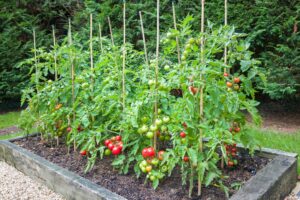
Coffee grounds are one of the most commonly recommended kitchen scraps for the garden. Save them from your morning coffee, sprinkle them around your tomato plants, and supposedly they will add nitrogen, acidify the soil, repel slugs, attract earthworms, prevent disease, and produce enormous tomatoes. Unfortunately, many of those claims are exaggerated. Used coffee grounds …
May 19
Coffee Grounds for Hydrangeas: Do They Change Color? Benefits, Risks & Safe Use
Coffee grounds are frequently recommended as a natural amendment for hydrangeas. One of the most persistent pieces of gardening advice claims that spreading used coffee grounds around a hydrangea will acidify the soil and turn its flowers blue. The reality is more complicated. Used coffee grounds can be a useful addition to compost because they …
May 19
Coffee Grounds in the Garden: Benefits, Risks & How to Use Them Safely
Used coffee grounds are one of the most popular kitchen scraps to reuse in the garden. They are easy to collect, contain organic material and nutrients, and seem like an obvious candidate for recycling rather than throwing away. That has led to a long list of claims. Coffee grounds are often said to acidify soil, …
Feb 25
Square Foot Gardening Soil Mix: Best Recipe & Ingredients
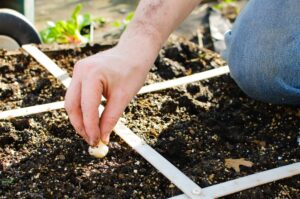
A productive square foot garden starts below the plants. Because vegetables are grown closely together in a relatively small raised bed, the growing mix needs to hold moisture, drain well, provide nutrients, and remain loose enough for roots to spread easily. The traditional square foot gardening soil recipe was developed specifically for this style of …
Feb 16
When to Start Tomato Seeds Indoors: Timing & Growing Guide
Starting tomatoes from seed gives you access to far more varieties than you are likely to find as transplants at a garden center. Heirlooms, paste tomatoes, colorful cherry tomatoes, compact patio varieties, and unusual beefsteaks are all much easier to find when you begin with seed. The challenge is timing. Start tomato seeds too late …
Feb 07
Anemone Flowers: Types, Growing & Care Guide
Anemone flowers are a remarkably diverse group of perennials, ranging from tiny spring woodland flowers to brilliant Mediterranean cut flowers and tall Japanese anemones that bloom well into autumn. Their colors include white, pink, red, violet, blue-purple, and magenta, while their growing requirements vary just as widely. That diversity is also why anemone care can …
Feb 01
Are Cosmos Deer Resistant? What Gardeners Should Know
Cosmos flowers are generally considered deer resistant, but they are not deer-proof. Deer often leave established Cosmos bipinnatus plants alone when more appealing food is available, which makes cosmos a useful annual for gardens where deer browsing is a concern. However, hungry deer can still eat the foliage, stems, buds, or flowers—especially when plants are …
Feb 01
10 Ways to Grow a Garden: Traditional, Vertical, Container & Hydroponic Methods
There is no single correct way to grow a garden. A gardener with a sunny half-acre can plant directly in the ground, while someone with a small balcony might harvest tomatoes, herbs, lettuce, and flowers from containers. Raised beds can make difficult soil easier to manage, vertical gardens use walls and trellises to increase growing …