A garden is never truly finished. It changes from week to week and season to season, moving through periods of new growth, flowering, fruiting, seed production, dormancy, and renewal.
Learning to garden with those natural cycles can make gardening much easier. Spring is a time for planting and rapid growth. Summer brings watering, harvesting, flowers, and heat. Fall offers another planting season while preparing the garden for colder weather. Winter may appear quiet, but it provides opportunities for planning, pruning certain plants, caring for indoor gardens, and preparing for the year ahead.
The exact timing of every gardening task depends on where you live. A gardener in Minnesota and a gardener in Florida may perform completely different jobs during the same month. Instead of treating dates as rigid rules, use your local climate, frost dates, weather, and plant growth as your guide.
This Seasonal Gardening hub can help you understand what the garden needs throughout the year and plan ahead rather than constantly reacting to the next task.
🌱 Spring: The Garden Wakes Up
Spring is one of the most exciting times in the garden.
Days become longer, soil begins warming, buds swell on trees and shrubs, perennial plants emerge from dormancy, and the first bulbs push through the ground.
It is also one of the busiest gardening seasons.
Before rushing outside with seeds and plants, take some time to inspect the garden. Winter weather may have damaged branches, shifted mulch, exposed roots, or left areas wetter than expected.
Remove obvious debris, but avoid disturbing wet soil unnecessarily. Working saturated soil—particularly heavy clay—can damage its structure and create compaction that lasts long after spring has passed.
Spring is an excellent time to make notes about drainage because low spots and problem areas can be particularly obvious after snowmelt or seasonal rains.
For a broader introduction to soil, watering, planting, and basic maintenance, visit our Gardening Basics hub.
🌷 Enjoy the First Spring Flowers
One of the rewards for planning ahead arrives when spring-flowering bulbs begin appearing.
Crocuses, daffodils, snowflakes, glory of the snow, tulips, and other bulbs can provide color well before many summer perennials have begun growing strongly.
Our Crocus Care guide covers one of the earliest familiar spring bloomers, while Daffodils: Spotlight on This Quintessential Springtime Favorite explores another classic spring flower.
After spring bulbs finish flowering, resist the temptation to immediately remove their leaves. The foliage continues photosynthesizing and helps replenish energy stored in the bulb for the following year’s display.
Allow the foliage to yellow and decline naturally before removing it.
For more ideas for flowers throughout the year, explore our Flower Gardening hub and Top 100 Garden Flowers for North American Gardens: A Year-Round Guide.
🌿 Clean Up Carefully in Early Spring
Spring cleanup does not have to mean stripping every garden bed bare on the first warm day.
Plant stems, leaves, and other garden material can provide overwintering habitat for insects and other wildlife. Waiting until conditions warm before completing all cleanup can give some of those organisms time to emerge.
When you do clean beds, remove obviously diseased material and inspect plants for winter damage.
Cut away dead perennial growth when appropriate and remove broken branches from shrubs. Refresh paths and reposition mulch that has shifted during winter.
Do not automatically apply fertilizer to every bed.
If soil fertility is uncertain, testing the soil provides better information than guessing. Many established ornamental plants do not require heavy annual feeding.
🌱 Prepare Vegetable Beds for Spring
Cool-season vegetables can begin producing long before summer crops such as tomatoes and peppers.
Depending on your climate, peas, spinach, lettuce, radishes, carrots, beets, kale, onions, and other crops may be planted during the cool conditions of spring.
Exact dates vary considerably.
Use local frost dates, soil conditions, and regional Cooperative Extension recommendations rather than following one national planting calendar.
Our Vegetable Gardening hub covers cool-season and warm-season crops, succession planting, watering, raised beds, and crop rotation.
Gardeners using elevated growing spaces can also visit Raised Bed Gardening for Beginners.
🍅 Start Warm-Season Crops at the Right Time
Warm-season vegetables should not be rushed outdoors simply because the calendar says spring.
Tomatoes, peppers, cucumbers, squash, beans, corn, sweet potatoes, and many other summer crops require warmer conditions and can be damaged by frost.
Some, particularly tomatoes and peppers, are commonly started indoors before outdoor planting conditions arrive.
Our When to Start Tomato Seeds Indoors guide explains how to work backward from your expected transplant date.
Seedlings raised indoors also need to be gradually acclimated to outdoor conditions before permanent planting. This process, commonly called hardening off, helps young plants adjust to brighter sunlight, wind, and fluctuating temperatures.
🌹 Spring Is a Major Planting Season
Spring garden centers can make it tempting to buy everything at once.
Trees, shrubs, perennials, roses, herbs, berries, and vegetables may all be available, but a successful planting season requires more than bringing plants home.
Match each plant to the location before digging.
Check mature size, sunlight, drainage, soil, and cold hardiness. A beautiful plant in the wrong location may require years of extra watering, pruning, or pest management.
If roses are part of your plans, visit How to Grow a New Rose Garden.
For edible perennial plants, our Herbs & Fruit hub covers herbs, strawberries, brambles, and fruit trees.
🌳 Inspect Trees and Shrubs
Spring is a good time to look carefully at woody plants.
Check for broken branches, damaged bark, dead wood, winter injury, and signs of animal damage.
Not every shrub should be heavily pruned in early spring.
Some spring-flowering shrubs bloom on wood formed during the previous growing season. Pruning them before they flower can remove many of the buds.
Before pruning a flowering shrub, identify the plant and learn whether it flowers on old wood or new growth.
Trees also deserve careful treatment. Avoid topping trees or making large cuts simply to reduce height.
Good pruning begins with a reason.
🌼 Divide Perennials When Appropriate
Some established perennials gradually form large clumps that can be divided into smaller plants.
Division can rejuvenate certain plants, control their size, fill other parts of the garden, and provide plants to share.
Spring is a suitable division time for many—but not all—perennials.
Water divisions well during establishment and avoid dividing plants merely because they have been in the ground for a certain number of years. Some perennials are perfectly happy remaining undisturbed for long periods.
Learn the needs of the individual plant before digging it up.
🐝 Welcome Spring Pollinators
Early flowers can provide valuable resources when relatively little else is blooming.
Spring bulbs, flowering shrubs, native woodland plants, and early perennials can help extend the garden’s flowering season.
As temperatures rise, bees and other insects become increasingly active.
Avoid treating early flowers unnecessarily with broad-spectrum insecticides, particularly while plants are blooming.
For a garden designed around a longer season of flowers, the Flower Gardening and Eco-Friendly Gardening hubs provide additional ideas.
☀️ Summer: Growth, Flowers, and Harvests
By summer, the garden has changed dramatically.
Spring seedlings have become full-sized plants. Perennials are flowering. Tomatoes are climbing supports. Herbs can be harvested regularly, and weeds seem capable of appearing overnight.
Summer gardening is less about starting everything and more about keeping the garden productive and healthy.
Water management becomes especially important as temperatures rise.
Spend time observing plants rather than relying on a rigid maintenance schedule. A few minutes walking through the garden can reveal wilted plants, ripening vegetables, emerging pests, weeds ready to seed, and flowers that need deadheading.
💧 Water Carefully During Hot Weather
Summer heat can dramatically increase water demand.
New plants, containers, vegetables, and shallow-rooted plants may require particular attention during extended dry periods.
Check soil moisture rather than assuming that a hot day automatically means every plant needs water.
When irrigation is necessary, thorough watering of the root zone is generally more useful than frequent superficial sprinkling.
Watering in the morning can reduce evaporation compared with the hottest part of the day and gives foliage time to dry when overhead irrigation cannot be avoided.
Mulch can help conserve soil moisture and moderate soil temperatures.
Containers may require much more frequent checks than in-ground beds because their limited volume of growing medium can dry rapidly.
🌻 Keep Summer Flowers Blooming
Summer can be the most colorful season in the flower garden.
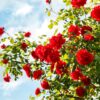
Roses, lilies, coneflowers, black-eyed Susans, cosmos, daylilies, and many other plants may be at or approaching their peak.
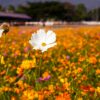
Cosmos Care covers an annual capable of flowering through much of the warm season, while Coneflower Care explores a perennial favorite for summer color and pollinator activity.
Deadheading can encourage continued bloom on some plants and keep flower beds looking tidy.
However, not every flower needs to be removed. Leaving some spent blooms allows seeds to develop for wildlife, seed saving, or natural reseeding.
Use deadheading selectively rather than treating it as a rule for every flower.
🥕 Harvest the Vegetable Garden Frequently
Summer is when much of the work invested in the vegetable garden begins paying off.
Tomatoes, beans, cucumbers, summer squash, herbs, peppers, corn, and other warm-season crops can produce rapidly once conditions are favorable.
Frequent harvesting may encourage continued production in crops such as beans, cucumbers, and summer squash.
Check the garden regularly.
A cucumber can move from perfect to oversized surprisingly quickly, and zucchini have a remarkable ability to hide beneath leaves until they are enormous.
For crop-specific advice, visit our Vegetable Gardening hub.
🌿 Harvest Herbs Throughout Summer
Many herbs respond well to regular harvesting.
Basil can be pinched to encourage branching, while dill, parsley, chives, thyme, oregano, mint, and other herbs can be harvested as needed according to their growth habits.
Avoid stripping a plant of so much foliage that it cannot continue growing strongly.
If preserving herbs for later use, summer can also be a good time to dry, freeze, or otherwise store excess harvest.
Our Herbs & Fruit hub provides more information on culinary herbs and perennial edible plants.
🐛 Monitor Rather Than Automatically Spray
Warm weather brings insects along with flowers and vegetables.
Some will be pests. Many will not.
Before treating a plant, identify what is causing the damage and determine whether intervention is actually necessary.
Gardens contain pollinators, predators, parasitoids, decomposers, and other beneficial organisms alongside pests.
A few chewed leaves do not necessarily threaten a healthy plant.
If action is needed, start with the least disruptive effective option. Physical removal, barriers, sanitation, pruning, improved spacing, or other cultural controls may solve some problems without broad pesticide use.
The Eco-Friendly Gardening hub explores integrated pest management and other lower-impact approaches in greater detail.
🌾 Stay Ahead of Weeds
Summer weeds compete vigorously for light, water, and nutrients.
Young weeds are easier to remove than mature plants, especially before they flower and produce seeds.
Mulch can suppress many germinating weeds, but regular observation remains important.
Try pulling weeds after rainfall or watering when soil is softer, particularly when dealing with plants that have substantial roots.
Do not let the desire for a perfectly weed-free garden make gardening miserable. Concentrate on weeds that are competing with desirable plants, spreading aggressively, or approaching seed production.
🌡️ Protect Plants During Heat Waves
Extreme summer temperatures can stress even plants that normally tolerate heat.
Young transplants and container plants are especially vulnerable.
During heat waves, monitor soil moisture more closely, maintain mulch, and delay unnecessary transplanting or heavy pruning.
Vegetable crops may temporarily stop setting fruit during extreme heat, and some flowers may fade more quickly.
Temporary shade can help certain crops during unusually intense conditions, but use it selectively.
The best long-term strategy remains choosing plants adapted to your climate and placing them where their light and moisture needs can realistically be met.
🍂 Late Summer Is Also a Time to Think About Fall
It is easy to focus entirely on the current harvest, but late summer is when many fall gardens begin.
Cool-season vegetables often need to be planted before temperatures actually feel cool because they require time to mature.
Depending on climate, gardeners may sow carrots, beets, radishes, spinach, kale, lettuce, peas, and other crops for autumn harvest.
Perennials, shrubs, and other plants may also become easier to establish once the worst summer heat subsides.
Seasonal gardening works best when you are thinking several weeks ahead.
🍁 Fall: Plant, Harvest, and Prepare
Fall is much more than garden cleanup.
For many gardeners, it is one of the best planting seasons of the year.
Cooler air reduces stress on newly planted trees, shrubs, and perennials, while soil can remain warm enough for root growth. Autumn also brings vegetable harvests, spring bulb planting, leaf collection, seed saving, and opportunities to evaluate what worked during the growing season.
Instead of seeing fall as the end of gardening, think of it as the bridge between the current garden and the next one.
Our October Gardening: Your Complete Guide to Fall Success and November Gardening: Winter Preparation and Late-Season Success provide more detailed late-season checklists.
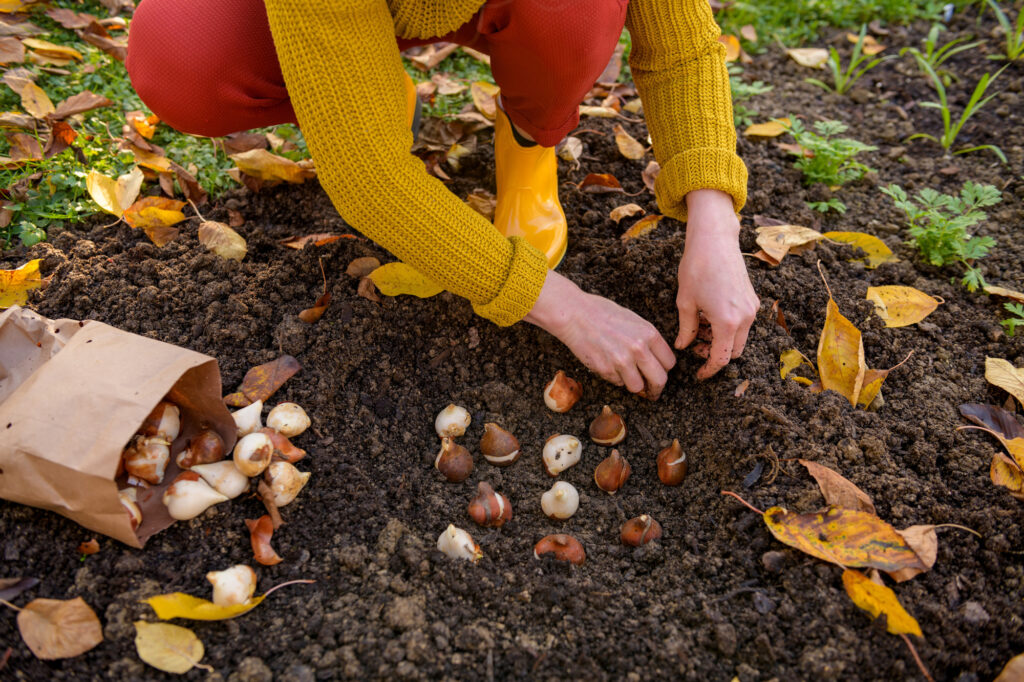
🌷 Plant Spring-Flowering Bulbs in Fall
Many of spring’s most familiar flowers begin with work done months earlier.
Daffodils, crocuses, tulips, and numerous other spring-flowering bulbs are generally planted during fall so they can establish and experience the cold period required for normal development.
Planting time varies with climate and bulb type.
Choose healthy bulbs and provide appropriate planting depth and drainage.
Bulbs planted in permanently soggy soil can rot, so site selection matters.
Planting groups or drifts rather than isolated individual bulbs can create a stronger spring display.
Then mark the planting location. By spring, it is remarkably easy to forget where bulbs are waiting underground.
🌳 Plant Trees and Shrubs at the Right Time
Fall can be an excellent planting season in many regions because temperatures are cooler and plants have an opportunity to establish roots without immediately facing intense summer heat.
However, local climate matters.
Gardeners in areas with very early severe freezes may have a shorter fall planting window than those in milder climates.
Newly planted trees and shrubs still need water even when air temperatures are cool. Continue monitoring moisture until the ground freezes where that occurs.
Avoid piling mulch around trunks. Spread it over the root zone while leaving the trunk base exposed.
🍎 Finish the Harvest
Fall can be one of the most productive times in an edible garden.
Late tomatoes, peppers, root vegetables, leafy greens, herbs, apples, pears, and other crops may all require harvesting depending on what you grow.
Pay attention to frost forecasts.
Some crops tolerate light frost, while others can be damaged immediately.
Green tomatoes can sometimes be harvested before a freeze and allowed to ripen indoors. Herbs can be preserved, and storage crops such as onions and garlic require appropriate curing before long-term storage.
Fruit harvest timing varies significantly by crop and cultivar.
Visit Herbs & Fruit for more guidance on perennial edible plants.
🌱 Plant Cool-Season Vegetables
Fall is not only about harvesting what was planted earlier.
In suitable climates, it can provide a second major vegetable season.
Spinach, kale, lettuce, radishes, carrots, beets, and other cool-season crops may thrive as temperatures fall.
Some vegetables can tolerate frost much better than summer crops.
Our Top 5 Veggies for Your Winter Garden offers ideas for stretching the edible season farther into cool weather.
Gardeners in mild climates may continue producing vegetables for much of winter.
🍂 Put Fallen Leaves to Work
Leaves are one of autumn’s most abundant garden materials.
Instead of treating all of them as waste, consider shredding leaves for mulch, adding them to compost, or using them in appropriate garden areas.
Healthy leaves break down into organic matter.
Diseased leaves may require different treatment depending on the disease, so avoid automatically composting severely infected material without understanding the problem.
Leaves left in selected beds can also provide overwintering habitat for insects.
For more ideas on using garden materials thoughtfully, visit Eco-Friendly Gardening.
✂️ Do Not Prune Everything in Fall
Autumn cleanup sometimes turns into excessive pruning.
Many trees and shrubs do not need major fall pruning, and cutting plants at the wrong time can remove flower buds, stimulate vulnerable new growth, or create unnecessary wounds before winter.
Remove damaged or hazardous branches when needed, but postpone cosmetic pruning unless you know it is appropriate for that plant.
Perennial flowers are also flexible.
Some can be cut down after frost, while others provide attractive winter structure, seeds for birds, and habitat for insects if left standing.
There is no requirement for every flower bed to be completely bare by December.
🌾 Save Seeds From Favorite Plants
Fall provides many opportunities for seed saving.
Annual flowers, herbs, and vegetables may all produce mature seed by the end of the growing season.
If you want plants that resemble their parents, learn whether the variety is open-pollinated or hybrid and whether it readily crosses with related varieties.
Collect mature, dry seed during suitable weather and store it in clearly labeled containers once fully dried.
Even if you do not intend to become a dedicated seed saver, collecting a few seeds from a favorite flower can be an enjoyable way to carry one season into the next.
🧹 Clean and Store Garden Tools
As outdoor work slows, spend a little time taking care of the equipment that helped you through the season.
Remove soil from shovels, hoes, and hand tools. Clean pruners and sharpen cutting edges when needed.
Drain and store hoses appropriately for your climate. Empty containers that could crack if water freezes inside them.
Garden tools last much longer when they are not left outdoors exposed to winter weather.
Fall maintenance also means they will be ready to use when spring suddenly becomes busy again.
❄️ Winter: Rest, Protect, and Plan
Winter may be the quietest season outdoors, but gardening does not disappear.
Plants are still responding to cold, moisture, wind, snow, and changing light. Indoor plants continue growing, seeds can be ordered, garden plans can be revised, and tools can be maintained.
Winter is also one of the best times to evaluate the garden objectively.
Without summer foliage hiding the structure, you may notice awkward paths, empty areas, overcrowded shrubs, missing winter interest, or places where another tree would improve the landscape.
Use the quiet season to plan instead of rushing through those decisions in spring.
🌨️ Protect Plants From Winter Damage
Plants adapted to your climate often require relatively little winter intervention, but young or marginally hardy plants may need additional protection.
Mulch can help moderate temperature fluctuations around roots. Apply it over the root zone rather than against trunks and stems.
Evergreens may lose moisture during winter, especially when exposed to strong wind and frozen soil.
Snow itself can act as insulation, although unusually heavy accumulation may damage some branches.
Avoid pouring deicing salts onto garden beds or piling heavily salted snow around sensitive plants whenever practical.
Choosing plants appropriate for your hardiness zone remains the most dependable long-term winter-protection strategy.
🌲 Create Winter Interest
A garden does not have to become visually empty after frost.
Evergreens, ornamental grasses, bark, berries, seed heads, branch structure, and persistent dried flowers can all contribute to the winter landscape.
The bare season reveals forms that are easy to overlook during summer.
When selecting new plants, consider how they look in January as well as June.
A landscape built around four seasons of interest feels more complete and provides additional habitat for wildlife.
Our Top 100 Garden Flowers for North American Gardens: A Year-Round Guide offers ideas for extending garden interest through different parts of the year.
🐦 Leave Some Food and Shelter for Wildlife
Seed heads, berries, plant stems, trees, shrubs, and leaves can all have value during winter.
Birds may feed on seeds and berries, while insects and other small organisms overwinter in protected plant material.
This does not mean the entire garden needs to remain untouched.
Leave selected areas standing and clean up others as needed.
Providing a range of plant structures generally creates more habitat than reducing the entire landscape to bare soil every fall.
The Eco-Friendly Gardening hub provides additional ideas for gardening with wildlife in mind.
🪴 Give Indoor Plants Winter Care
Houseplants experience seasonal change even though they remain indoors.
Winter usually brings shorter days and lower light levels. Heating systems may reduce indoor humidity, while potting mix can take longer to dry because plants are growing more slowly.
This means a watering schedule that worked during summer may become excessive in winter.
Keep plants away from extreme drafts and hot heating vents, check the soil before watering, and watch for pests.
For detailed indoor growing guidance, visit our Indoor Plants hub.
🌱 Start Seeds Indoors When the Time Is Right
Late winter brings the first real signs of the next gardening season.
Seed catalogs arrive, gardeners begin planning vegetable beds, and certain crops can be started indoors.
Timing matters.
Starting seeds far too early can produce large, stressed seedlings long before outdoor conditions are suitable. Starting too late can eliminate much of the advantage of indoor growing.
Work backward from the appropriate transplant date for your location and crop.
Provide seedlings with strong light, proper moisture, suitable temperatures, and enough room to grow.
Spring may still feel distant outside, but the growing season has already begun indoors.
📝 Review the Previous Gardening Year
Winter is an ideal time to look through garden photographs and notes.
Ask what performed particularly well.
Which flowers attracted the most pollinators? Which tomato variety produced best? Which part of the garden always became too dry? Did one perennial outgrow its space? Were vegetables planted too late? Which plant required far more attention than it was worth?
Those observations should influence next year’s choices.
Gardening becomes easier when each season builds on lessons from the one before it.
If you did not keep records this year, begin next season with a simple notebook or digital document. Plant names, dates, photos, and a few observations are enough.
📅 Think in Seasons, Not Just Months
Monthly gardening checklists can be useful, but nature does not follow calendar dates perfectly.
An unusually warm March may bring growth weeks earlier than expected. A late freeze can interrupt spring. Drought may transform summer maintenance, while a mild fall can extend vegetable production far beyond its usual season.
Use calendar guides as reminders rather than rigid instructions.
More useful seasonal signals include:
- Soil temperature
- Frost forecasts
- Plant growth
- Bloom times
- Day length
- Rainfall
- Local pest activity
- Heat and cold trends
Learning to notice these signals makes you a more adaptable gardener.
🌎 Let Your Climate Set the Calendar
Perhaps the most important rule in seasonal gardening is that your local climate matters more than a national calendar.
The United States includes subtropical gardens, deserts, humid coastal regions, northern areas with short growing seasons, high-elevation landscapes, and almost everything between them.
A gardener in Wisconsin may still have snow while a gardener in Texas is planting warm-season vegetables.
Use the USDA Plant Hardiness Zone Map to understand winter cold, but remember that hardiness zones do not tell you everything about summer heat, rainfall, humidity, frost timing, or local soil.
Your state or local Cooperative Extension service can provide planting calendars and seasonal advice that are much more specific to your region.
🌦️ Pay Attention to Microclimates
Even one yard can contain several miniature climates.
A south-facing wall may warm early in spring. A low spot may experience frost before the rest of the garden. An area sheltered by the house may escape strong wind, while a bed beneath mature trees may remain cool and dry.
These differences can shift bloom times and planting opportunities.
As you gain experience, you will learn where snow melts first, which bed warms earliest, where tomatoes receive the longest sunlight, and which corner stays damp after rain.
Those observations help you fine-tune a general seasonal calendar to match your own property.
🌻 Keep Something Happening Throughout the Year
A well-planned garden can offer something interesting in every season.
Spring might begin with crocuses and daffodils.
Summer brings roses, lilies, coneflowers, vegetables, berries, and herbs.
Fall provides late flowers, colorful foliage, pumpkins, root crops, seeds, and changing grasses.
Winter reveals evergreens, bark, berries, branches, and seed heads.
The garden does not need to peak every day of the year.
Instead, aim for a sequence in which each season contributes something different.
That changing rhythm is one of gardening’s greatest pleasures.
🌱 Start Planning One Season Ahead
One of the easiest ways to become a better seasonal gardener is to stop planning only for the season currently outside your window.
Plant spring bulbs in fall.
Plan fall vegetables during summer.
Prepare summer flower beds in spring.
Order seeds during winter.
Plant trees early enough to establish before stressful weather arrives.
Each season contains opportunities to make the next one better.
Once you begin thinking this way, gardening becomes less like a series of emergencies and more like a continuous cycle.
🌼 Enjoy the Garden in Every Season
There will always be another task waiting.
Something needs watering, pruning, planting, harvesting, dividing, staking, mulching, or weeding.
But the garden is not simply a collection of chores.
Make time to notice what is happening.
Watch the first crocus emerge. Smell the soil after a spring rain. Eat a tomato directly from the vine. Listen to bees moving through summer flowers. Walk through fallen leaves in October. Look at snow resting on seed heads in winter.
Gardening changes because the seasons change.
Learning to work with that rhythm—not against it—is one of the things that transforms gardening from a list of tasks into a way of experiencing the year.
🔗 Related Articles
- Gardening Basics
- Flower Gardening
- Vegetable Gardening
- Herbs & Fruit
- Indoor Plants
- Eco-Friendly Gardening
- October Gardening: Your Complete Guide to Fall Success
- November Gardening: Winter Preparation and Late-Season Success
- Top 100 Garden Flowers for North American Gardens: A Year-Round Guide
- Crocus Care
- Daffodils: Spotlight on This Quintessential Springtime Favorite
- Cosmos Care
- Coneflower Care
- Raised Bed Gardening for Beginners
- Top 5 Veggies for Your Winter Garden