Preparing your garden for winter is one of the most important things you can do to protect your plants, improve your soil, and make the next growing season easier. Although the garden may be slowing down as temperatures fall, the work you do now can have a lasting effect on how well it recovers in spring.
Winter preparation involves more than cutting back dead plants and putting away gardening tools. It’s also an opportunity to improve the soil, protect vulnerable perennials, care for trees and shrubs, and create a healthier environment for beneficial insects and wildlife.
The good news is that preparing a garden for winter doesn’t require stripping everything bare or completing an overwhelming list of chores. In fact, leaving certain plants and natural materials in place can be one of the best things you do for your garden.
Whether you grow vegetables, flowers, herbs, or a combination of everything, these practical steps will help you put your garden to bed for winter while getting it ready for another productive year.
🍂 Know When to Start Preparing Your Garden for Winter
The best time to begin winter garden preparation depends on your climate and the plants you’re growing. In colder regions, gardeners may start preparing in September or October, while those in warmer areas may not need to complete certain tasks until November or December.
Rather than following a strict calendar, pay attention to your local frost dates, nighttime temperatures, and the condition of your plants. Some jobs, such as harvesting tender vegetables and moving tropical plants indoors, should happen before the first frost. Others, including applying protective winter mulch around certain perennials, are often best completed after plants have entered dormancy and the soil has cooled.
It’s helpful to divide winter preparation into stages. Begin by harvesting remaining crops, removing diseased material, and preparing exposed soil. As colder weather approaches, focus on protecting vulnerable plants, watering trees and shrubs when necessary, and winterizing equipment.
Our October Gardening Guide and November Gardening Guide offer additional seasonal guidance to help you plan these tasks around the changing weather.
🥕 Finish Harvesting and Clean Up the Vegetable Garden
One of the first steps in preparing your garden for winter is gathering the remaining harvest. Tomatoes, peppers, cucumbers, summer squash, beans, and other warm-season vegetables can be damaged by frost, so collect usable produce before freezing temperatures arrive.
Some vegetables tolerate cold much better. Kale, spinach, carrots, parsnips, Brussels sprouts, and certain other cool-season crops may continue growing or remain harvestable after light frosts. Depending on the variety and climate, you may be able to extend the harvest with row covers, low tunnels, or protective mulch.
If you want to continue growing food during colder months, our guide to the Best Vegetables to Grow in Winter explores several cold-tolerant choices.
Once summer crops have finished producing, remove spent vegetable plants that could harbor pests or diseases. Tomato vines, squash plants, and other annual vegetables can be pulled or cut down after harvest. Healthy material can often be added to compost, while heavily diseased plants are generally better disposed of according to local recommendations.
Remove fallen or rotting fruits, along with weeds that may otherwise produce seeds and create problems next spring. Clean stakes, cages, and trellises before storing them, particularly if they supported plants affected by disease.
However, avoid treating every dead leaf or stem as something that must be removed. Healthy organic material can contribute to soil protection and beneficial insect habitat, especially outside intensively managed vegetable beds.
🌱 Protect and Improve Your Garden Soil
Healthy soil is one of the most valuable parts of any garden, and winter can be surprisingly hard on soil left exposed to the elements.
Heavy rainfall, wind, snowmelt, and repeated freezing and thawing can contribute to erosion and damage soil structure. Bare garden beds are particularly vulnerable, especially on slopes or in areas that receive substantial winter precipitation.
After removing finished vegetable crops, consider spreading a layer of finished compost over the soil surface. Compost supplies organic matter that supports soil structure and beneficial microorganisms. It can also improve moisture retention and make the soil easier to work with in spring.
You generally don’t need to dig or till compost deeply into the ground. Leaving it on the surface allows earthworms and other soil organisms to gradually incorporate organic material. Avoid working soil when it’s very wet, since this can cause compaction and damage its structure.
Covering exposed soil with shredded leaves, clean straw, or another suitable organic mulch provides additional protection. If you garden in raised beds, this is especially helpful because the soil you’ve spent time building is worth preserving.
Our Garden Soil Guide explains soil health, testing, and ways to improve different soil types.
Fall is also a useful time for soil testing. If your garden struggled during the growing season, a soil test can help determine whether pH or nutrient deficiencies contributed to the problem. Rather than automatically adding fertilizer, use the results to make informed decisions about what your soil actually needs.
Consider Planting a Cover Crop
Instead of leaving vegetable beds empty all winter, you may be able to plant a cover crop. Cover crops protect exposed soil, help suppress weeds, reduce erosion, and contribute organic matter when they’re eventually incorporated or allowed to decompose.
Popular options include winter rye, oats, crimson clover, and winter wheat, although the best choice depends on your climate and planting schedule.
Some cover crops die naturally during winter, while others survive freezing temperatures and must be managed in spring before planting vegetables. Make sure you understand how and when to terminate a cover crop before sowing it.
If it’s already too late to establish a cover crop, don’t worry. A layer of organic mulch can still provide valuable protection.
For more ideas about protecting soil and building a healthier growing environment, explore our Regenerative Gardening Guide.
🌸 Prepare Perennial Flowers for Winter
Perennial flowers return year after year, but their aboveground growth often dies back as temperatures fall. Depending on the species, some perennials benefit from winter protection while others need very little attention.
One of the biggest misconceptions about winter garden preparation is that every perennial must be cut back to the ground in fall. In reality, many plants are better left standing until spring.
Coneflowers, black-eyed Susans, ornamental grasses, asters, and other perennials may provide seeds for birds, shelter for beneficial insects, and visual interest throughout winter. Their dried stems and foliage can also help trap leaves and snow, offering additional insulation around plant crowns.
Leaving these plants standing doesn’t mean you have to ignore garden cleanup entirely. If a perennial experienced significant fungal disease or insect problems during the growing season, removing affected foliage may reduce the likelihood of recurring trouble.
Plants that collapse across walkways or become damaged can also be trimmed when necessary.
For healthy perennials, however, consider postponing major cleanup until late winter or spring. The garden will still benefit from a little structure and natural protection during the coldest months.
🍁 Use Fallen Leaves as Natural Winter Protection
Autumn leaves are one of the most useful materials available for preparing a garden for winter, and they’re completely free.
Instead of bagging every fallen leaf, put them to work in flower beds, beneath shrubs, and around trees. Leaves provide a natural protective layer that helps conserve moisture, moderate soil temperatures, and gradually add organic matter as they decompose.
You can leave loose, healthy leaves in selected ornamental beds where they provide habitat for overwintering insects. Shredded leaves are especially useful in vegetable beds and other areas where a thick layer of whole leaves might become compacted and prevent water or air from moving easily.
Leaves also make excellent compost ingredients. They provide carbon-rich material that balances nitrogen-rich kitchen scraps and fresh plant debris.
Avoid leaving heavy, wet layers of leaves covering your lawn for extended periods, since they can block sunlight and contribute to unhealthy turf conditions. Move excess leaves into garden beds, compost bins, or designated leaf-storage areas instead.
For additional ideas about using natural materials and supporting wildlife, visit our Eco-Friendly Gardening Guide.
❄️ Apply Winter Mulch at the Right Time
Mulching is one of the most effective ways to protect vulnerable plants during winter, but timing and placement matter.
Winter mulch helps moderate changes in soil temperature and reduces the repeated freezing and thawing that can push shallow-rooted plants out of the ground. This process, called frost heaving, can expose roots to damaging cold and drying conditions.
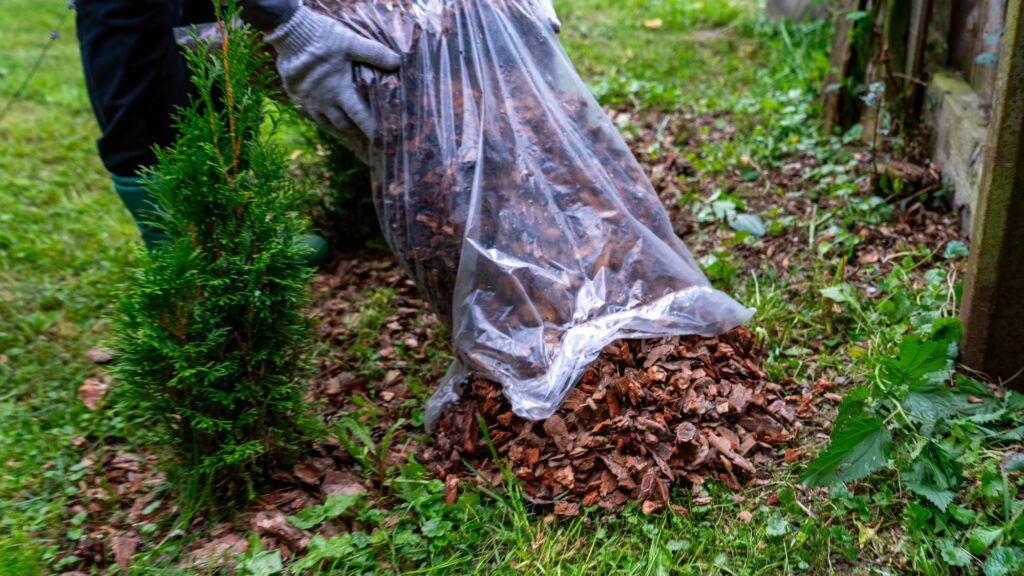
In climates with frozen winters, protective mulch around certain perennials is generally best applied after the plants have entered dormancy and the soil has cooled or begun freezing. Applying heavy insulation too early can keep the soil warmer than intended or provide shelter for rodents near vulnerable stems.
Shredded leaves, clean straw, pine needles, and other suitable organic materials can provide protection. The appropriate depth depends on the plant and mulch material, but a loose layer of roughly two to four inches is common for many garden situations.
Keep mulch away from the crowns of plants that are sensitive to excessive moisture and avoid piling it directly against tree trunks or shrub stems. These thick mounds, sometimes called mulch volcanoes, can encourage decay and provide hiding places for pests.
In spring, gradually adjust or remove excessive winter mulch when conditions are appropriate so emerging shoots can grow normally.
🌳 Prepare Trees and Shrubs for Winter
Trees and shrubs are often overlooked during winter garden preparation because they appear to take care of themselves. Established, climate-appropriate plants usually require relatively little intervention, but newly planted trees and shrubs can be more vulnerable to winter damage.
One of the most important things you can do is make sure the soil contains adequate moisture before it freezes.
Evergreens deserve particular attention because they continue losing moisture through their needles or leaves during winter. When the ground freezes, their roots may be unable to replace that lost water, contributing to winter burn.
During dry autumn weather, water trees and shrubs deeply enough to moisten the root zone without saturating the soil. Newly planted specimens generally need more careful monitoring than established ones. Reduce or skip watering when rainfall has already supplied adequate moisture.
Applying an appropriate layer of mulch around the root zone can help conserve moisture and reduce soil temperature fluctuations.
Young trees may also need protection from rabbits, deer, or other animals that feed on bark during winter. Tree guards or properly installed wire barriers can help prevent damage, particularly when snow makes branches and bark easier for animals to reach.
Avoid heavy pruning immediately before winter unless it’s appropriate for the species. Fall pruning can encourage vulnerable new growth in some plants, while pruning spring-flowering shrubs may remove flower buds that have already formed.
Dead, damaged, or hazardous branches can be addressed when necessary, but routine shaping is often better scheduled according to the particular plant’s growth and flowering habits.
🪴 Protect Potted Plants and Tender Bulbs
Container plants are often more vulnerable to winter temperatures than plants growing in the ground. Their roots are surrounded by a relatively small volume of soil, which can freeze more quickly and experience greater temperature fluctuations.
If you have potted perennials that are hardy in your region, consider moving them to a sheltered location or insulating their containers. In colder climates, some may need to be overwintered in a suitable unheated structure or temporarily heeled into the ground.
The right method depends on the plant’s hardiness, moisture requirements, and dormancy needs.
Tropical plants and tender herbs should generally be moved indoors before temperatures become damaging. Inspect them carefully for pests before bringing them into the house, and allow them to adjust to lower indoor light levels.
Tender summer-flowering bulbs and tubers may need special attention as well. Dahlias, cannas, and certain other plants cannot reliably survive frozen soil in many northern climates. Depending on the plant, gardeners may need to lift underground storage structures after frost, clean and dry them appropriately, and store them in suitable cool conditions until spring.
Empty containers should also be protected. Terra-cotta and other porous pots can crack when water freezes inside them, so store vulnerable containers in a dry, sheltered location.
💧 Drain Hoses and Prepare Irrigation Equipment
Garden hoses, sprinklers, and irrigation systems are easy to forget once watering becomes less frequent, but freezing water can damage them.
Before prolonged freezing weather arrives, disconnect hoses from outdoor faucets and drain them completely. Coil them carefully and store them somewhere protected from extreme weather.
Watering cans, buckets, and rain barrels may also need to be emptied or winterized, depending on their construction and local climate.
If you have a drip irrigation or automatic sprinkler system, follow the manufacturer’s winterization instructions. Some systems require specialized draining or compressed-air procedures to prevent water from freezing inside the pipes.
Outdoor faucets may need additional protection, especially in regions where winter temperatures regularly fall below freezing.
Taking care of irrigation equipment in fall prevents unnecessary repairs and makes it easier to begin watering again when spring arrives.
🧰 Clean and Store Garden Tools
After months of digging, planting, pruning, and harvesting, garden tools deserve some attention before being put away for winter.
Remove soil and plant debris from shovels, hoes, trowels, and other hand tools. Wash equipment when necessary and allow everything to dry thoroughly before storage.
Pruning shears, loppers, and other cutting tools should be cleaned and sharpened as needed. Disinfect cutting surfaces when appropriate, particularly after working with diseased plants.
Metal tools may benefit from a light coating of suitable protective oil to help prevent rust. Wooden handles can be inspected for cracks, rough spots, and other wear.
Store tools in a dry shed, garage, or protected storage area rather than leaving them exposed to rain and snow.
It’s a relatively small task that can extend the life of your equipment and eliminate one more chore when spring gardening begins.
🐦 Leave Some Winter Habitat for Wildlife
A garden doesn’t become lifeless when the flowers disappear. Birds, beneficial insects, and other wildlife continue using the landscape throughout winter.
Dried flower heads can provide seeds for birds, while hollow stems and leaf litter offer shelter for insects that spend the cold months in protected spaces.
Shrubs, evergreens, and ornamental grasses also provide cover during harsh weather.
You can support wildlife simply by allowing selected areas of the garden to remain a little less tidy. Leave healthy perennial stems standing, keep some fallen leaves beneath shrubs, and avoid removing every seed head before birds have an opportunity to use them.
At the same time, maintain clear pathways, remove hazardous branches, and address serious plant disease problems.
A winter garden can be both attractive and environmentally beneficial without requiring every corner to be perfectly groomed.
🌷 Finish Planting Before the Ground Freezes
In many climates, fall is an excellent time to plant spring-flowering bulbs, garlic, trees, shrubs, and certain perennials.
Daffodils, tulips, crocuses, and other spring-blooming bulbs are generally planted in fall so they can establish roots and experience the seasonal conditions necessary for spring growth.
Plant bulbs at the depth recommended for the species and choose locations with suitable drainage. Mark planting areas so you don’t accidentally disturb the bulbs while working in the garden later.
Garlic is another popular fall planting. In many regions, cloves are planted in autumn, establish roots before winter, and begin growing vigorously when temperatures rise in spring.
Trees and shrubs may also establish well during cool fall weather, provided they have sufficient time and suitable conditions for root development before severe freezes arrive.
Not every plant should be installed late in the season, however. Newly planted specimens that haven’t developed adequate root systems may struggle in harsh winter climates.
If you’re unsure whether there’s enough time left for planting, consult recommendations from your local Cooperative Extension service.
📝 Make a Few Notes for Next Spring
Before you officially finish winter preparation, take a short walk through your garden and look at what worked during the growing season.
Notice which plants performed well, which areas struggled with drainage, where weeds became difficult to manage, and whether particular vegetables or flowers needed more space.
Take photographs of beds before the remaining foliage disappears. Label perennials and bulbs that may be difficult to identify once they go dormant.
It’s also useful to record where you grew different vegetable families so you can plan crop rotation and avoid placing closely related crops in the same location year after year when practical.
Winter is a good time to think about new planting combinations, better pathways, additional composting space, or changes that could make maintenance easier.
Our Winter Gardening Checklist provides more ideas for maintaining the garden throughout the colder months and preparing for the arrival of spring.
🌎 How Winter Garden Preparation Changes by Climate
Not every garden needs the same winter treatment. In northern regions where the soil freezes deeply, protecting vulnerable roots, preventing frost heaving, and winterizing water systems are important priorities.
Gardeners in milder climates may face different challenges, including heavy winter rainfall, poor drainage, persistent weeds, and ongoing pest activity. Some warm regions have an active winter vegetable-growing season, making traditional end-of-season cleanup less relevant.
In areas with dry winters, supplemental watering may remain important, particularly for trees, shrubs, and newly established plants. In wet coastal climates, avoiding waterlogged soil and protecting sensitive plants from rot may be more important than adding insulation.
The most effective approach is to prepare for the conditions your garden actually experiences rather than following a single winter checklist designed for an entirely different climate.
🌱 A Little Winter Preparation Makes Spring Gardening Easier
Preparing your garden for winter is really about giving the next growing season a healthier starting point.
Removing seriously diseased plants, protecting exposed soil, conserving moisture, and caring for vulnerable perennials can reduce problems before they develop. Cleaning tools and maintaining equipment eliminates unnecessary work when warmer weather returns.
Just as importantly, winter preparation doesn’t require removing every trace of the previous growing season. Fallen leaves, standing flower stems, and natural plant debris can continue providing benefits long after summer has ended.
Do the work that protects your plants and soil, leave some space for wildlife, and allow the garden to move naturally into its quieter season.
By the time spring arrives, much of the groundwork for a healthy, productive garden will already be in place.
🔗 Related Articles
- October Gardening: Your Complete Guide to Fall Success
- November Gardening: Winter Preparation and Late-Season Success
- Winter Gardening Checklist: Essential Tasks to Prepare for Spring
- Best Vegetables to Grow in Winter: Cold-Hardy Crops for the Garden
- Garden Soil Guide: Soil Types, Testing, pH & How to Improve It
- Raised Bed Gardening for Beginners
- Regenerative Gardening: How to Build Healthy Soil & a More Resilient Yard
- Eco-Friendly Gardening
- Seasonal Gardening
📚 Sources & Further Reading
- Iowa State University Extension — Fall Garden Tasks
- Iowa State University Extension — How Should I Prepare My Perennial Beds for Winter?
- University of Wisconsin Extension — Keep Watering in Fall to Protect Evergreens From Winter Burn
- Oklahoma State University Extension — Winter Protection for Landscape Plants
- University of Alaska Fairbanks Cooperative Extension — An Alaska Gardener’s Fall & Winter To-Do List