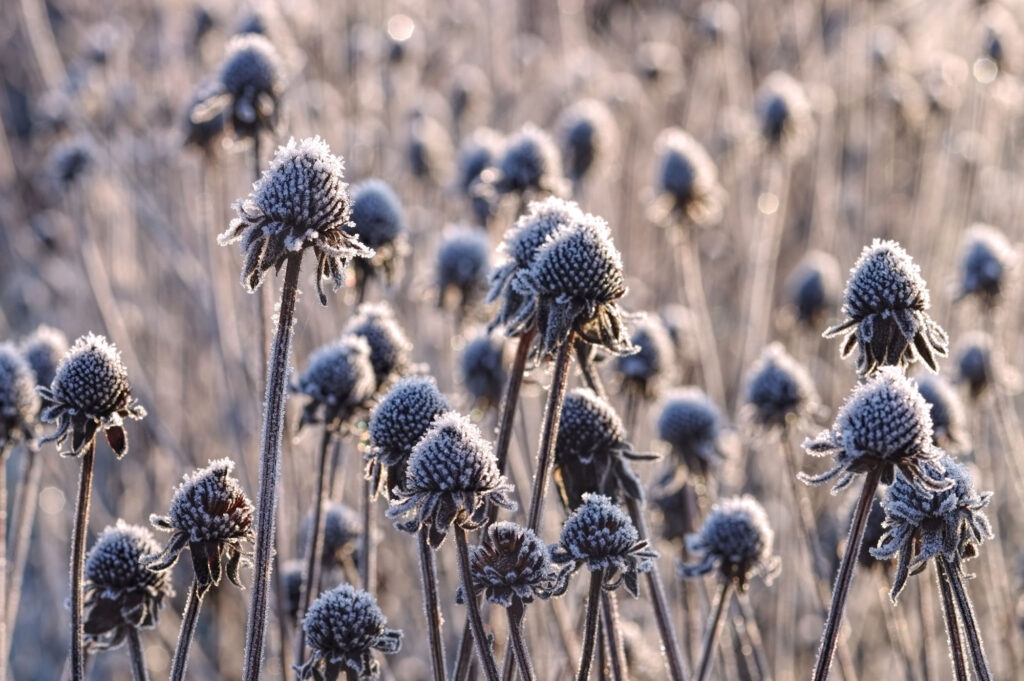
An unexpected frost can damage tender plants overnight, turning healthy green leaves brown or black and bringing an otherwise productive growing season to an abrupt end. Fortunately, protecting plants from frost is often easier than it seems, especially when you have a little time to prepare.
Whether you’re trying to save the last tomatoes of autumn, protect newly planted flowers in spring, or keep container plants healthy during a cold snap, a few simple precautions can make a significant difference.
Frost protection doesn’t always require expensive equipment or a greenhouse. Everyday materials such as old bedsheets, garden fabric, mulch, and cardboard boxes can help shield vulnerable plants from freezing temperatures.
The key is understanding which plants need protection, when to cover them, and how to prevent the cold from causing unnecessary damage.
❄️ What Temperature Causes Frost Damage to Plants?
Frost typically forms when the temperature of exposed surfaces drops to freezing or below, allowing moisture in the air to form ice crystals. This can happen even when the official air temperature is slightly above 32°F (0°C), particularly on clear, calm nights.
The amount of damage depends on the plant, how long temperatures remain low, and whether the plant has gradually adjusted to colder conditions.
A light frost may damage tender leaves and flowers without killing the entire plant. A harder freeze, especially one that lasts several hours, can cause much more serious injury.
Gardeners often use the following temperature ranges as general guidelines:
- 32°F (0°C): Freezing point; frost may form, especially on exposed surfaces.
- 29–32°F (-2 to 0°C): Often described as a light freeze; sensitive plants may suffer damage.
- 25–28°F (-4 to -2°C): A moderate freeze that can seriously damage many tender plants.
- 24°F (-4°C) and below: A severe freeze that can kill many unprotected, cold-sensitive plants.
These ranges aren’t guarantees of plant survival. A tomato plant might suffer substantial damage during a brief light frost, while established kale and certain other cold-hardy vegetables can tolerate considerably lower temperatures.
The duration of freezing weather matters, too. A brief overnight drop can be less damaging than a prolonged freeze that continues throughout the following day.
🌿 Which Plants Need Protection From Frost?
Not every plant in the garden requires the same amount of attention when temperatures fall.
Warm-season vegetables are among the most vulnerable. Tomatoes, peppers, eggplants, cucumbers, squash, beans, and basil are particularly sensitive to freezing temperatures. Even a light frost can damage their foliage and bring their growing season to an end.
Many popular annual flowers are similarly vulnerable. Impatiens, begonias, zinnias, marigolds, and coleus can be damaged or killed when temperatures drop below freezing.
Recently planted seedlings also deserve special attention because they may not have developed the strong root systems or cold tolerance of established plants.
Cool-season vegetables, however, are often much more resilient. Kale, spinach, collards, Brussels sprouts, and certain varieties of lettuce can tolerate light frost, although their exact limits vary. Some become sweeter after exposure to cool temperatures.
If you’re interested in extending your harvest, our guide to the Best Vegetables to Grow in Winter explores crops that perform well in colder weather.
Established perennials, trees, and shrubs that are suited to your growing zone generally tolerate normal winter temperatures without special protection. However, unusual cold snaps, late spring frosts, and newly emerging growth can still create problems.
Knowing your plants’ cold tolerance helps you focus your attention where it will make the biggest difference.
🛏️ Cover Plants Before Frost Arrives
Covering plants is one of the easiest and most effective ways to protect them from frost.
A protective covering helps slow the loss of heat from the soil and creates a slightly warmer environment around the plant. On a calm, clear night, this small temperature difference may be enough to prevent damage from a light frost.
You don’t necessarily need specialized gardening supplies. Old bedsheets, lightweight blankets, burlap, and commercially available frost cloth can all provide some protection.
For best results, place covers over vulnerable plants during the late afternoon or early evening, before temperatures begin dropping significantly.
Drape the material over the plants and extend it all the way to the ground. Secure the edges with bricks, rocks, or garden stakes so that the warmth rising from the soil remains trapped beneath the covering.
Avoid wrapping the material tightly around the leaves and stems. The goal is to create a protected space around the plant, not simply bundle up its foliage.
For larger or delicate plants, consider using tomato cages, hoops, or stakes to support the covering. This prevents heavy fabric from bending branches or crushing tender growth.
Remove ordinary sheets and blankets once temperatures have risen safely above freezing the following morning. Commercial frost fabrics may sometimes remain in place longer, depending on their design, the weather, and the needs of the plants.
Even when another cold night is expected, proper ventilation and access to sunlight during warmer periods are important.
🌱 Use Frost Cloth or Floating Row Covers
If frost is a regular concern in your garden, investing in reusable frost cloth may be worthwhile.
Frost cloth, sometimes called garden fleece or floating row cover, is a lightweight material designed to protect plants from temperature fluctuations.
Unlike ordinary plastic sheeting, many horticultural fabrics allow air, water, and some sunlight to pass through. This makes them particularly useful for protecting vegetables and flowers during periods of unpredictable weather.
Different weights provide different levels of protection. Lightweight fabrics may offer only limited insulation, while heavier materials can provide several degrees of protection under suitable conditions.
The actual benefit depends on the fabric, how securely it’s installed, wind conditions, and the temperature of the soil beneath it.
For vegetable gardens, a floating row cover can be placed over rows of plants with enough slack to accommodate their growth. Alternatively, the fabric can be supported by hoops to form a low tunnel.
Low tunnels are especially useful for extending the growing season because they protect several plants at once while creating a more stable environment.
Make sure the edges are firmly secured, and check regularly for overheating during sunny weather.
If your plants require insect pollination, covers will also need to be opened or removed at the appropriate time so pollinators can reach the flowers.
🪣 Protect Individual Plants With Simple Household Items
For a small garden or a handful of vulnerable plants, individual covers can be more convenient than covering an entire bed.
An overturned bucket, sturdy cardboard box, or large plastic container can provide temporary protection from a brief overnight frost.
Choose a container large enough to fit over the plant without crushing its leaves or stems. Place it over the plant before temperatures fall, making sure it’s stable enough to withstand any expected wind.
A large plastic milk jug can also work as a miniature cloche for seedlings. Cut off the bottom, place the jug over the plant, and remove or open it when temperatures rise.
Clear containers can heat up very quickly in direct sunlight, so they should never be left sealed over plants during warm daytime conditions.
These simple methods are especially helpful when a sudden spring frost threatens newly planted seedlings or when you only need to protect a few favorite flowers.
🚫 Can You Use Plastic to Cover Plants From Frost?
Plastic sheeting can trap warmth, but it isn’t generally the best choice for covering plants directly.
When plastic touches leaves during freezing weather, the foliage may still suffer cold damage. Plastic also traps moisture and can cause temperatures beneath the covering to rise quickly when sunlight returns.
If you use plastic, support it with hoops, stakes, or another frame so it doesn’t rest directly on the plants. Secure it to the ground to help retain warmth, and remove or ventilate it promptly when temperatures rise.
For most home gardeners, breathable frost cloth or ordinary fabric covers are easier to manage and carry less risk of overheating.
Plastic can be useful in properly managed cold frames and low tunnels, but it requires more careful attention than breathable materials.
💧 Water the Soil Before a Frost
Watering may seem like an unusual way to prepare for freezing temperatures, but properly moist soil can help moderate temperature changes.
Moist soil absorbs and stores heat more effectively than very dry soil. As the temperature falls overnight, some of that stored warmth is gradually released.
Plants suffering from drought stress may also be more vulnerable to cold damage, making adequate soil moisture important before freezing weather arrives.
If the soil is dry and temperatures are still safely above freezing, water the garden during the day before the expected frost. Aim for moist soil rather than saturated ground, and avoid overwatering plants that are sensitive to wet conditions.
There is no need to add more water when recent rainfall has already provided adequate moisture.
It’s also important to distinguish watering the soil beforehand from spraying plants with water while temperatures are freezing.
Commercial growers sometimes use carefully controlled overhead irrigation to protect certain crops from frost. However, that process requires precise timing, adequate water delivery, and continuous operation under suitable conditions.
Simply spraying garden plants with water during a freeze is not a reliable home-gardening method and may make damage worse if it is done incorrectly.
For most gardeners, watering dry soil ahead of time and using protective covers is the more practical approach.
🍂 Apply Mulch to Protect Plant Roots
While covering plants protects the foliage aboveground, mulch helps protect the roots and soil beneath them.
Organic materials such as shredded leaves, clean straw, pine needles, and wood chips help moderate soil temperatures and reduce moisture loss.
Mulching is particularly beneficial for shallow-rooted perennials, newly planted shrubs, and other plants vulnerable to repeated freezing and thawing.
Spread an appropriate layer around the base of plants, generally about two to four inches deep for many common landscape mulches. Keep it away from direct contact with stems, crowns, and tree trunks to reduce the risk of decay.
For established perennials in regions with cold winters, additional winter mulch is often best applied after the soil has cooled and the plants have entered dormancy. This helps stabilize soil temperatures rather than unnecessarily delaying the natural cooling process.
Mulch is not a substitute for covering tender foliage during a sudden frost. Instead, the two methods serve different purposes and can work together when conditions require additional protection.
If you’re preparing your entire garden for colder weather, our November Gardening Guide offers additional seasonal advice.
🪴 Move Potted Plants to a Protected Location
Container plants often need protection earlier than plants growing in garden beds.
Because their roots are surrounded by relatively small amounts of soil, containers can freeze more quickly than the ground. Plants that are hardy in the landscape may therefore struggle when left outdoors in exposed pots.
When frost is expected, move vulnerable containers into a garage, enclosed porch, greenhouse, or another sheltered area.
Tropical plants and cold-sensitive houseplants should generally be moved somewhere warm enough for their particular needs. Many houseplants can begin experiencing cold stress at temperatures well above freezing.
Inspect plants for insects before bringing them indoors, especially if they’ll be joining an existing houseplant collection.
For hardy container plants that only need temporary protection, an unheated garage may be sufficient during a brief cold snap. However, a dark garage isn’t a suitable long-term growing environment for plants that need regular light.
If large containers cannot be moved, group them together near a sheltered building wall, away from strong winds. Wrap the containers with insulating material and protect the foliage as needed.
Remember that protecting the roots is just as important as protecting the leaves.
🥬 Protect Vegetable Gardens From Frost
Vegetable gardens often contain plants with very different temperature tolerances, making selective protection especially useful.
Warm-season crops should receive the greatest attention when a frost warning appears. Tomatoes, peppers, eggplants, cucumbers, and summer squash can be damaged by freezing temperatures, even if the rest of the garden remains unaffected.
If the growing season is nearly over, harvesting ripe vegetables before the frost may be more practical than attempting to preserve the plants for another week.
For crops that are still producing and worth protecting, cover the plants securely before sunset.
Cool-season vegetables often need less attention. Kale, collards, spinach, and some cabbage-family crops can tolerate frost, although prolonged freezes may still cause damage.
Row covers and low tunnels can help keep these crops growing later into autumn or protect them from unexpected spring temperature drops.
Raised beds may be particularly convenient for installing hoops and protective fabric because their defined edges make it easier to secure the covering.
Our Raised Bed Gardening for Beginners guide offers more information about planning and maintaining productive raised beds.
🌸 Protect Flowers and Tender Perennials
Flower gardens can be especially vulnerable to unexpected frost when plants are actively growing or blooming.
Annual flowers such as impatiens, zinnias, and begonias may be damaged by a light freeze. Covering them overnight can sometimes extend their blooming season when warmer weather is expected to return.
Spring frosts can be particularly frustrating because plants may have already produced tender new leaves and flower buds.
Even cold-hardy perennials and flowering shrubs can experience damage when they begin growing during an early warm spell and are then exposed to freezing temperatures.
If a late frost is expected, protect especially vulnerable plants with frost cloth or a supported fabric covering.
For small flowering shrubs, a temporary frame can help prevent the covering from resting heavily on branches and buds.
Not every perennial needs to be covered. Established, climate-appropriate plants are often well adapted to ordinary seasonal cold.
Focus your efforts on tender species, plants with new growth, and those that have experienced frost damage in the past.
🌳 Protect Young Trees and Shrubs From Cold Damage
Newly planted trees and shrubs can be more vulnerable to extreme cold than well-established landscape plants.
Their root systems may not yet extend far beyond the original planting area, making them more sensitive to drought and temperature changes.
Keep the soil adequately moist during dry weather before freezing conditions arrive, and maintain a suitable layer of mulch over the root zone.
Avoid piling mulch directly against the trunk or stems.
For small, cold-sensitive shrubs, temporary fabric covers may help during brief freezes. Larger trees usually cannot be effectively protected with ordinary garden fabric, so choosing species suited to your growing zone is especially important.
Trees and shrubs can also suffer winter drying, particularly evergreens exposed to cold winds and frozen soil. Windbreaks and adequate moisture before the ground freezes may help reduce this damage.
It’s generally best to avoid encouraging tender new growth with unnecessary late-season fertilization or pruning.
🌤️ What to Do the Morning After a Frost
Once the temperature rises safely above freezing, begin removing temporary covers from plants.
Do this carefully, particularly if the material is wet or frozen. If fabric has become attached to icy foliage, wait until it can be removed without tearing leaves or breaking stems.
Allow plants to warm naturally, and inspect them for signs of damage later in the day.
Some leaves may appear dark, limp, or water-soaked after exposure to freezing temperatures. Other symptoms may not become obvious until several days later.
Don’t assume a plant is dead simply because its leaves look damaged. Stems, crowns, and roots may remain alive even when the foliage has been injured.
Avoid immediately applying fertilizer in an attempt to stimulate recovery. Plants need time to stabilize, and encouraging new growth during continued cold weather can cause additional problems.
If another frost is expected the following night, be prepared to cover vulnerable plants again.
🍃 Can Plants Recover After Frost Damage?
Many plants can recover from frost damage, depending on how severe the cold was and which tissues were affected.
A light frost may injure only exposed leaves and flowers while leaving the stems and roots healthy. Other plants may lose much of their top growth but produce new shoots once temperatures become favorable.
Tender annual vegetables are less forgiving. A tomato plant that has been badly frozen may not recover, particularly if its main stems and growing points have been killed.
Hardy perennials, shrubs, and trees often have a better chance of survival because their roots and dormant tissues are adapted to seasonal cold.
Resist the temptation to prune everything immediately. Damaged foliage can sometimes provide limited protection for the remaining plant, and waiting makes it easier to identify which stems are truly dead.
For woody plants, significant pruning is often best postponed until the risk of further frost has passed and new growth reveals the extent of the injury.
Mushy, rotting plant material may need to be removed sooner if it creates sanitation problems.
Be patient with plants that appear severely damaged. Recovery may take weeks, and some woody plants do not show the full effects of winter injury until spring.
🌡️ How to Know When Frost Is Coming
Checking the weather forecast is one of the simplest ways to avoid unexpected frost damage.
Pay particular attention to overnight low temperatures, local frost advisories, and freeze warnings.
Clear skies and calm winds often create favorable conditions for frost because heat escapes from exposed surfaces more readily overnight. Low-lying areas may also become colder than nearby higher ground as dense cold air collects.
This means the temperature in your garden may differ from the official forecast, especially if you live in a rural valley or have an exposed yard.
A garden thermometer placed in a representative location can help you understand your property’s conditions.
Average first and last frost dates are useful for planning, but they are not guarantees. Frost can arrive earlier in autumn or later in spring than the historical average.
Our October Gardening Guide explores additional seasonal tasks that can help you prepare for colder weather.
🌱 How to Prevent Frost Damage in the Future
The most reliable way to reduce frost damage over time is to choose plants suited to your climate and plan planting dates carefully.
Check your USDA Plant Hardiness Zone when selecting perennials, trees, and shrubs, while remembering that hardiness zones describe average annual extreme minimum temperatures rather than predicting individual frosts.
For warm-season vegetables and annual flowers, pay attention to your local average last spring frost date before transplanting outdoors.
Gradually harden off indoor-grown seedlings so they can adjust to outdoor conditions, but remember that hardening off doesn’t make frost-sensitive plants capable of surviving freezing temperatures.
Consider keeping reusable frost cloth, hoops, and plant covers in an accessible storage area. Having these materials ready is much easier than searching for supplies when a frost warning arrives unexpectedly.
You can also use sheltered planting locations, cold frames, and low tunnels to extend the season for suitable crops.
Over time, you’ll learn which areas of your garden are coldest, which plants tolerate frost well, and where temporary protection makes the biggest difference.
❓ Frequently Asked Questions About Frost Protection
At What Temperature Should I Cover My Plants?
Consider covering frost-sensitive plants when the forecast approaches 32°F, and sometimes when temperatures are expected to remain a few degrees above freezing. Frost can form on plant surfaces even when the reported air temperature is slightly higher. Plants such as basil and many tropical species may need protection or relocation well before freezing conditions develop.
Can I Use Bedsheets to Protect Plants From Frost?
Yes. Bedsheets are a practical option for temporary frost protection. Drape them over plants before temperatures drop, extend the fabric to the ground, and secure the edges. Use supports when necessary to prevent crushing delicate plants, and remove the sheets once temperatures have warmed sufficiently the following day.
Should I Cover Plants at 40 Degrees?
Most hardy garden plants don’t need frost protection at 40°F. However, some tropical plants and houseplants can experience cold stress at temperatures in the 40s. If temperatures are falling quickly or your garden is colder than the forecast location, extra precautions may be worthwhile for especially sensitive plants.
Is It Better to Cover Plants With Plastic or Cloth?
For most short-term home garden frost protection, cloth is preferable. Frost cloth and lightweight fabric allow more airflow and are generally easier to manage. Plastic can be used over a supported frame, but it should not rest directly on foliage and must be ventilated or removed when temperatures rise.
How Long Can Plants Stay Covered?
The answer depends on the covering material and weather conditions. Ordinary blankets, bedsheets, and opaque containers should generally be removed during the day to provide light and ventilation. Breathable horticultural row covers may remain in place longer when properly managed, but plants still need monitoring for excessive warmth, moisture, and pollination requirements.
Will One Night of Frost Kill My Plants?
Not necessarily. Some plants can survive a light frost with little damage, while tender vegetables and flowers may be severely injured. The temperature, duration of exposure, plant species, and condition of the plant all influence the outcome.
🌷 Protecting Plants From Frost Doesn’t Have to Be Complicated
Frost is a normal part of the gardening year, but it doesn’t have to mean losing every tender plant or ending the growing season before you’re ready.
A few simple precautions, such as covering vulnerable plants before sunset, watering dry soil ahead of a freeze, protecting container roots, and using mulch appropriately, can help reduce cold damage.
It’s equally important to recognize when protection isn’t necessary. Many established perennials and cool-season vegetables are naturally equipped to handle chilly weather, allowing you to concentrate on the plants that truly need attention.
Keep an eye on the forecast, have a few protective materials ready, and give frost-damaged plants time to recover before making major changes.
With a little preparation and a better understanding of how cold affects your garden, you can protect your plants through unexpected temperature drops and enjoy a healthier garden throughout the changing seasons.
🔗 Related Articles
- October Gardening: Your Complete Guide to Fall Success
- November Gardening: Winter Preparation and Late-Season Success
- Winter Gardening Checklist: Essential Tasks to Prepare for Spring
- Best Vegetables to Grow in Winter: Cold-Hardy Crops for the Garden
- Raised Bed Gardening for Beginners
- Garden Soil Guide: Soil Types, Testing, pH & How to Improve It
- Eco-Friendly Gardening
- Seasonal Gardening
📚 Sources & Further Reading
- University of Minnesota Extension — Extending the Growing Season
- Oregon State University Extension — Protect Landscapes When Freezing Weather Moves In
- University of Georgia Extension — Protect Plants From Winter Freezes
- Oregon State University Extension — Winter Care of Perennials in Central Oregon
- University of Minnesota Extension — Bringing Houseplants in for Winter
- University of Georgia Extension — Helping Your Landscape Plants After a Freeze