How cold is too cold for plants? It’s a question that becomes especially important when autumn temperatures begin dropping or an unexpected spring cold snap threatens new growth. One chilly night can leave tender vegetables wilted, damage flowering plants, or cause tropical houseplants to lose their leaves.
The answer depends on what you’re growing. Some plants begin experiencing cold stress when temperatures fall below 50°F (10°C), while others can survive freezing weather and even temperatures well below 20°F (-7°C).
Understanding these differences can help you decide when to bring plants indoors, which vegetables need protection, and whether your established flowers and shrubs can safely remain outside.
Fortunately, you don’t need to memorize the exact temperature tolerance of every plant in your garden. Learning a few general temperature ranges, recognizing the signs of cold damage, and understanding which plants are naturally frost-tolerant can help you make better decisions throughout the changing seasons.
🌡️ What Temperature Is Too Cold for Most Plants?
For many tender garden plants, temperatures below 50°F (10°C) can begin slowing growth or causing cold stress. However, freezing temperatures around 32°F (0°C) are when the risk of serious damage increases dramatically for frost-sensitive plants.
A tomato plant and a kale plant can experience the same freezing night with very different results. The tomato may be severely damaged, while the kale may show little injury.
As a general guide, here is what different temperatures can mean for plants:
- Below 60°F (16°C): Some tropical plants and heat-loving vegetables may grow more slowly, especially when nights remain cool.
- 50–55°F (10–13°C): Certain sensitive tropical plants may begin experiencing cold stress.
- 40–50°F (4–10°C): Warm-season vegetables and many houseplants may struggle, particularly with repeated exposure.
- 32–40°F (0–4°C): Frost becomes a concern, especially on clear, calm nights when plant surfaces can become colder than the surrounding air.
- 28–32°F (-2–0°C): Light freezing conditions can damage or kill tender annuals and vegetables.
- 24–28°F (-4–-2°C): A more substantial freeze can seriously injure many plants that aren’t cold-hardy.
- Below 24°F (-4°C): Severe freezing conditions can be fatal to many unprotected tender plants, although properly adapted hardy plants may tolerate much lower temperatures.
These are general guidelines rather than universal survival limits. A plant’s exact tolerance depends on its species, variety, age, health, growing conditions, and how long the cold weather lasts.
The most important distinction is between plants that are simply uncomfortable in cold temperatures and plants that can suffer irreversible tissue damage during freezing conditions.
❄️ What’s the Difference Between Cold Stress, Frost, and Freezing?
Although gardeners sometimes use these terms interchangeably, cold stress, frost, and freezing describe different conditions.
Cold stress occurs when temperatures fall below a plant’s preferred growing range. The temperature doesn’t necessarily have to reach freezing. Tropical plants, tomatoes, peppers, and other warmth-loving species may grow poorly or develop damage after exposure to chilly weather in the 40s.
Frost occurs when exposed surfaces become cold enough for water vapor to form ice crystals. This commonly happens during clear, calm nights when heat escapes rapidly from leaves and other surfaces. Because plant surfaces can become colder than the measured air temperature, frost may form even when the forecast calls for temperatures slightly above 32°F.
A freeze occurs when air temperatures fall to or below 32°F. The severity of the damage depends on how cold the plant tissues become and how long freezing conditions persist.
A brief light freeze may damage only exposed leaves and flowers. A prolonged freeze can affect stems, growing points, and other essential tissues.
Ice formation and associated dehydration can injure plant cells, causing leaves to become water-soaked, wilted, or discolored after the temperature rises.
Not every plant responds the same way. Cold-hardy plants have adaptations that help them tolerate freezing conditions, while frost-sensitive plants have much less protection.
🍅 What Temperature Is Too Cold for Vegetable Plants?
Vegetables vary enormously in their ability to tolerate cold weather. The most useful way to think about vegetable temperature tolerance is to divide crops into warm-season and cool-season groups.
Warm-Season Vegetables
Tomatoes, peppers, eggplants, cucumbers, beans, squash, and melons prefer warm growing conditions. Many of these plants perform best when nighttime temperatures remain above approximately 50°F, although their ideal growing temperatures are often considerably warmer.
Prolonged cool weather can slow growth, delay flowering, interfere with fruit development, and increase stress even when temperatures remain above freezing.
Tomatoes, for example, may survive temperatures in the 40s, but they generally won’t grow or produce as well as they would in warmer weather. Cold, damp conditions can also increase the likelihood of certain problems.
Peppers and eggplants are particularly sensitive to cold soil and chilly nighttime temperatures.
At approximately 32°F, these crops become vulnerable to freezing injury. Some may be seriously damaged or killed by a single frost.
If a frost warning is approaching near the end of the growing season, harvesting mature vegetables may be more practical than trying to protect large plants through increasingly cold nights.
Cool-Season Vegetables
Lettuce, peas, carrots, beets, broccoli, cabbage, and cauliflower generally tolerate cooler weather better than warm-season vegetables.
Many can survive light frosts, although their exact temperature limits differ.
Lettuce, for example, may tolerate a brief light frost, but tender leaves can suffer damage during harder freezes. Carrot and beet foliage may be injured while the protected roots remain usable in the soil.
Some brassicas, including broccoli and cabbage, can withstand considerable cold after becoming established and properly acclimated.
For gardeners interested in extending the harvest, our Best Vegetables to Grow in Winter guide covers crops suited to cold-weather growing.
Very Cold-Hardy Vegetables
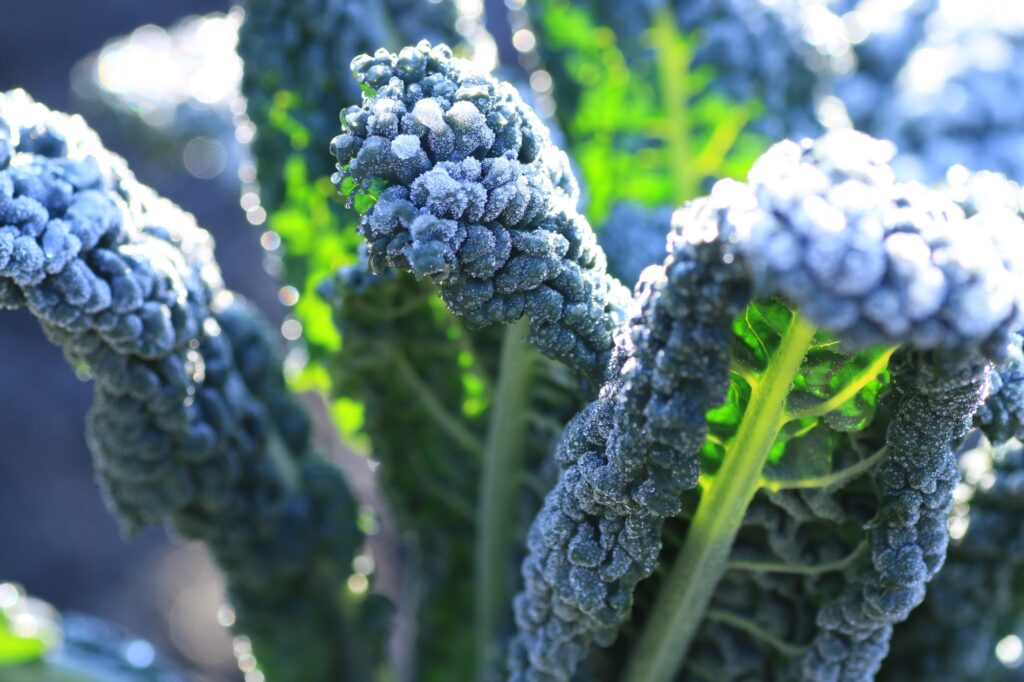
Kale, spinach, collards, Brussels sprouts, and certain other crops are among the most cold-tolerant vegetables commonly grown in home gardens.
Established kale can sometimes survive temperatures around 20°F (-7°C), and suitable varieties may tolerate even colder conditions when properly acclimated.
Spinach is another resilient crop that can overwinter in many regions, especially with protective mulch or row covers.
However, surviving winter is not the same as actively growing throughout winter. Even cold-hardy vegetables grow slowly or stop growing when temperatures become very low and daylight is limited.
The best results often come from establishing these crops while weather is still favorable, then allowing them to enter the cold season with healthy root systems.
🌸 What Temperature Is Too Cold for Flowers?
Flowers have different temperature requirements depending on whether they’re tender annuals, cool-season annuals, or hardy perennials.
Warm-season annuals such as zinnias, impatiens, begonias, and coleus can be damaged by freezing temperatures. Some begin showing signs of cold stress before temperatures reach 32°F.
These plants are generally grown during the frost-free portion of the year in colder climates. When autumn frost arrives, their growing season often ends unless they can be brought indoors or otherwise protected.
Cool-season flowers are different. Pansies and violas, for example, can tolerate light frost and may continue blooming during chilly weather. Their performance depends on the variety, degree of cold acclimation, and duration of freezing temperatures.
Hardy perennials such as coneflowers, black-eyed Susans, daylilies, and many ornamental grasses are adapted to return after winter in suitable growing zones.
Their leaves and stems may die back after freezing weather, but that doesn’t necessarily mean the plant itself has died. The roots, crown, or underground storage structures may remain healthy and begin producing new growth when spring returns.
The most important consideration is whether a perennial is hardy in your climate. A perennial that survives winter in Georgia might not survive unprotected in Minnesota.
🪴 What Temperature Is Too Cold for Houseplants?
Most common tropical houseplants prefer temperatures that remain comfortably above freezing, and many should be brought indoors before nighttime temperatures fall below approximately 50°F (10°C).
Plants such as pothos, philodendrons, monsteras, peace lilies, and many tropical foliage plants generally perform best in relatively stable indoor conditions.
Although some may tolerate brief periods of cooler temperatures, repeated exposure to cold nights can cause stress, yellowing leaves, leaf drop, or other damage.
Certain particularly sensitive tropical plants may need protection when temperatures approach 55–60°F (13–16°C). Others, including some succulents and cacti, tolerate cooler conditions depending on their species.
If you’ve moved houseplants outdoors for summer, don’t wait until frost is forecast to bring them back inside. Begin planning their return when nighttime temperatures consistently approach the lower end of their preferred range.
Inspect plants for pests before bringing them indoors, and allow them to adjust gradually to the lower light levels inside your home.
Our Indoor Plants Guide offers additional information about maintaining houseplants throughout the year.
🌳 How Cold Is Too Cold for Trees and Shrubs?
Established trees and shrubs are often much more cold-tolerant than tender annuals, but their survival depends heavily on species and climate.
A tree native to a cold northern region may tolerate temperatures well below 0°F (-18°C), while a subtropical tree may suffer serious damage from a relatively mild freeze.
Deciduous trees generally become more cold-hardy as they enter dormancy in autumn. Shorter daylight hours and gradually cooling temperatures trigger physiological changes that help them survive winter.
However, an unusually early freeze can damage plants before they’ve fully acclimated. Similarly, a warm spell in late winter may encourage buds to develop, leaving the new growth vulnerable when cold weather returns.
Newly planted trees and shrubs also need extra attention because their roots may not be fully established.
Adequate soil moisture before freezing weather, appropriate mulch, and protection from drying winds can reduce winter stress.
Evergreens may suffer winter burn when their foliage loses moisture while frozen soil prevents their roots from replacing it.
For broader cold-weather landscape care, our Winter Gardening Checklist covers seasonal protection and maintenance.
🌿 What Temperature Is Too Cold for Herbs?
Herbs are another group with widely varying cold tolerance.
Basil is among the most cold-sensitive culinary herbs. It may begin suffering stress or damage during chilly weather well above freezing, and frost can quickly destroy its tender foliage.
Cilantro and parsley generally tolerate cool weather better than basil. Both can withstand some light frost, although prolonged hard freezes may cause damage depending on growing conditions.
Chives are hardy perennial herbs in many climates and often die back in winter before returning in spring.
Thyme, sage, oregano, and certain rosemary varieties may also survive winter outdoors, depending on the cultivar, drainage, exposure, and local climate.
Rosemary is particularly variable. Some cultivars are considerably more cold-tolerant than others, so it’s important to check the specific variety rather than assuming all rosemary plants have the same winter hardiness.
Container-grown herbs may need additional protection because their roots can freeze more readily than those of plants established in the ground.
If you want fresh herbs throughout winter, consider growing suitable varieties indoors in a bright location or under supplemental lighting.
🌬️ Why the Same Temperature Can Damage One Plant but Not Another
Temperature alone doesn’t explain every instance of cold damage. Several environmental factors influence how plants respond.
The length of exposure matters enormously. A brief dip to 30°F may cause less damage than six hours at the same temperature, particularly for frost-sensitive plants.
Wind can also affect cold exposure. Strong winds increase water loss and can contribute to drying injury in evergreens. However, on clear, calm nights, the absence of wind may allow plant surfaces near the ground to become colder than the surrounding air, increasing the risk of frost.
Soil moisture and drainage are important as well. Plants entering cold weather while severely drought-stressed may be more vulnerable to damage, while waterlogged soil can weaken roots and create additional problems.
Gradual acclimation also makes a difference. A plant that has spent several weeks adjusting to cooler temperatures may tolerate conditions that would severely damage the same species after a sudden temperature drop.
Plant maturity is another factor. Young seedlings and tender new growth are often more sensitive than established plants.
This explains why a late spring frost can be especially damaging. Trees and shrubs that survived much colder winter temperatures may lose emerging leaves or flower buds when temperatures fall only slightly below freezing.
🪴 Are Potted Plants More Sensitive to Cold?
Yes, container-grown plants are often more vulnerable to freezing temperatures than the same plants growing in the ground.
Garden soil provides some natural insulation, especially below the surface. A container, however, exposes the root system to cold from several directions, allowing the potting mix to freeze more quickly.
Roots can also be less cold-tolerant than the aboveground portions of a plant.
A perennial that normally survives winter in a garden bed may suffer root damage when left outdoors in an exposed container.
Large containers generally provide more temperature stability than very small pots, but even substantial containers may require protection during severe weather.
Moving vulnerable pots into a sheltered location is often the easiest solution. Depending on the plant, an unheated garage, protected porch, or suitable greenhouse may provide enough protection during a brief freeze.
Tropical plants need a location that remains warm enough for their particular requirements, while dormant hardy perennials may be able to overwinter in cooler conditions.
Insulating containers, grouping pots together, and keeping them out of strong winter winds can also help.
🌎 How USDA Hardiness Zones Help You Understand Cold Tolerance
The USDA Plant Hardiness Zone Map is one of the most useful tools for choosing perennial plants that can survive winter in your area.
The map divides locations into zones based on their average annual extreme minimum winter temperatures. Each numbered zone represents a 10°F range, with subdivisions representing 5°F differences.
For example, Zone 5 plants are generally expected to tolerate colder winter conditions than plants rated only for Zone 8.
However, USDA hardiness zones are not the same as frost dates.
A hardiness zone describes typical extreme winter cold, while average first and last frost dates help gardeners decide when to plant frost-sensitive annuals and vegetables.
Two gardens in the same hardiness zone can have different growing seasons, rainfall patterns, and spring frost risks.
If you’re selecting perennials, shrubs, or trees, use the USDA zone as a starting point. Then consider your garden’s exposure, drainage, wind conditions, and the plant’s individual requirements.
Our Seasonal Gardening Guide can help you plan garden care throughout the year.
🧊 How to Tell if a Plant Is Too Cold
Plants often show visible symptoms after exposure to temperatures below their tolerance range, although damage may not appear immediately.
Cold-stressed plants may develop drooping leaves, discolored foliage, slowed growth, or dropped flowers and buds.
Freezing injury is often more dramatic. Leaves may appear dark green and water-soaked immediately after thawing, then become brown, black, or limp as damaged tissues deteriorate.
Tender stems may turn soft or mushy, while flowers can collapse after a frost.
Some plants show symptoms several days after the cold weather has passed, especially when the damage affects internal tissues or developing fruit.
Keep in mind that not every discolored leaf indicates cold damage. Drought, overwatering, disease, and nutrient problems can produce similar symptoms.
If several plants develop damage immediately after a freezing night, however, cold injury becomes a likely explanation.
Resist the temptation to remove every damaged leaf immediately. Perennials, shrubs, and trees may need time to reveal which parts remain alive.
🛏️ How to Protect Plants When Temperatures Get Too Cold
If freezing temperatures are expected, the most effective protection depends on the plants you’re growing and the severity of the weather.
For a brief light frost, covering tender plants with frost cloth, lightweight blankets, or old bedsheets can help retain warmth rising from the soil.
Place covers over plants before temperatures fall, extend them to the ground, and secure the edges. Supports can prevent heavier materials from crushing delicate foliage.
Remove opaque covers after temperatures rise safely above freezing so plants can receive sunlight and adequate ventilation.
Commercial floating row covers are especially useful for vegetable gardens because many allow some air, moisture, and sunlight to pass through.
Potted plants are often easier to protect by moving them into a garage, greenhouse, or other sheltered location.
Mulching can help moderate soil temperatures around roots and perennial crowns, although mulch alone won’t protect tender leaves from a hard freeze.
If the soil is unusually dry, watering appropriately before freezing weather arrives may help reduce stress. Avoid saturating already-wet soil.
Remember that most ordinary frost covers provide only limited temperature protection. During prolonged or unusually severe freezes, moving sensitive plants indoors may be the only practical way to keep them alive.
For additional seasonal strategies, see our November Gardening Guide.
🌱 Can Plants Recover After Being Too Cold?
Some plants recover remarkably well after cold exposure, while others may not survive even a brief freeze.
The outcome depends on whether the damage affected only leaves or extended into the plant’s stems, growing points, roots, and crown.
A hardy perennial may lose all its aboveground foliage but still return in spring because the underground portions remain alive.
A tomato plant, on the other hand, may be unable to recover after its growing points and main stems have been severely damaged by freezing.
For plants that appear injured, avoid immediately applying fertilizer or carrying out heavy pruning. Wait until temperatures stabilize and you can better determine which tissues survived.
Continue providing appropriate care without overwatering. Damaged plants may use less water while they recover, especially if much of their foliage has been lost.
Remove clearly rotting material when necessary, but give woody plants and dormant perennials time to produce new growth before making major decisions.
Even when leaves look terrible, surviving roots and buds may allow the plant to recover once favorable conditions return.
❓ Frequently Asked Questions About Cold Temperatures and Plants
Is 40 Degrees Too Cold for Plants?
Forty degrees Fahrenheit is too cold for some tropical plants and can stress warm-season vegetables, but many cool-season crops and hardy landscape plants tolerate it easily. Tomatoes, peppers, basil, and tropical houseplants may need protection from prolonged exposure to temperatures in the 40s, while kale, spinach, and many established perennials generally remain comfortable.
Is 45 Degrees Too Cold for Plants?
A nighttime temperature of 45°F is usually not dangerous for cold-hardy outdoor plants. However, certain tropical houseplants and warmth-loving vegetables may experience stress, particularly if temperatures remain low for several nights. Species-specific temperature requirements are more useful than a single universal cutoff.
Is 50 Degrees Too Cold for Houseplants?
Fifty degrees is near the lower recommended nighttime limit for many common tropical houseplants. Some tolerate it briefly, while others prefer temperatures closer to 60°F or warmer. If your houseplants have been outdoors for summer, bringing them inside before nights consistently fall below 50°F is generally a sensible precaution.
Can Plants Freeze at 35 Degrees?
Plants can develop frost damage when the official air temperature is 35°F because exposed leaves may cool below freezing on clear, calm nights. This is particularly important in low-lying areas and gardens with colder microclimates.
Will Plants Die at 32 Degrees?
Some will, but many won’t. Tender plants such as basil, tomatoes, and impatiens may suffer significant damage at freezing temperatures. Cold-hardy vegetables, established perennials, and appropriately adapted trees and shrubs can often survive much colder weather.
What Temperature Is Too Cold for Tomato Plants?
Tomatoes generally perform best when nighttime temperatures remain above 50°F, with warmer conditions preferred for strong growth and fruit production. Temperatures in the 40s can slow growth and cause stress, while freezing temperatures near 32°F can severely damage or kill unprotected plants.
What Temperature Is Too Cold for Succulents?
It depends entirely on the succulent. Some tropical succulents are vulnerable to temperatures below 50°F, while hardy sempervivums and certain sedums can survive freezing winters. Always identify the species before deciding whether it can remain outdoors.
Should I Cover Plants if the Temperature Is 35 Degrees?
If you’re growing frost-sensitive plants, covering them may be worthwhile when temperatures are forecast to reach 35°F, especially during clear, calm weather. The surface temperature of leaves can fall below the reported air temperature, allowing frost to develop even when the forecast remains slightly above freezing.
🌷 The Right Temperature Depends on the Plant
There isn’t one temperature that’s too cold for every plant. Tropical houseplants may struggle when temperatures fall into the 40s, warm-season vegetables may be damaged by frost, and properly adapted perennials can survive temperatures far below freezing.
Instead of treating every cold night as an emergency, learn which plants in your garden are frost-sensitive and which are naturally equipped to handle winter.
Pay attention to nighttime temperatures, protect vulnerable plants before freezing weather arrives, and remember that the duration of the cold can matter just as much as the lowest temperature.
With a little knowledge and preparation, you can make better decisions about when to cover plants, when to bring containers indoors, and when it’s perfectly safe to let the garden experience its natural seasonal changes.
🔗 Related Articles
- Best Vegetables to Grow in Winter: Cold-Hardy Crops for the Garden
- Winter Gardening Checklist: Essential Tasks to Prepare for Spring
- October Gardening: Your Complete Guide to Fall Success
- November Gardening: Winter Preparation and Late-Season Success
- Seasonal Gardening Guide
- Indoor Plants Guide
- Raised Bed Gardening for Beginners
- Garden Soil Guide: Soil Types, Testing, pH & How to Improve It
📚 Sources & Further Reading
- University of Minnesota Extension — A Minnesota Guide to Garden Timing
- University of Minnesota Extension — Planting Vegetables in Midsummer for Fall Harvest
- Oregon State University Extension — Plant Cold-Hardy Vegetables Now for a Spring Harvest
- University of Minnesota Extension — Bringing Houseplants in for Winter
- Oregon State University Extension — Gardening in Central Oregon’s Climate
- USDA — Plant Hardiness Zone Map
- USDA — How to Use the Plant Hardiness Zone Map